

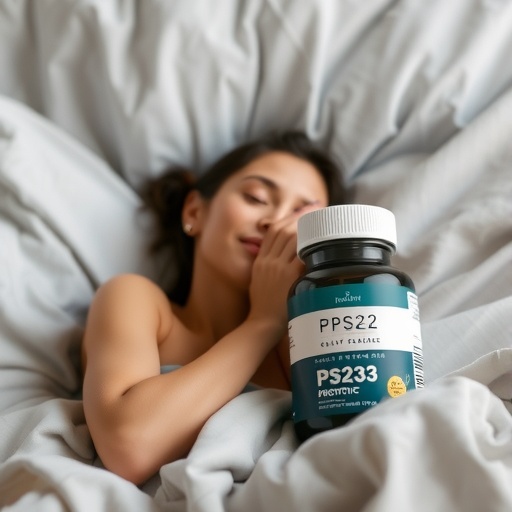
A recent groundbreaking study published in Annals of General Psychiatry has sparked significant interest in the fields of mental health and nutrition. Researchers Wu et al. embarked on a journey to explore the potent effects of a specific probiotic strain, lacticaseibacillus paracasei PS23, on anxiety and sleep difficulties faced by office workers. Anxiety is a growing concern globally, especially in high-pressure environments typical of office settings, and its impact can extend beyond emotional well-being to affect physical health and productivity.
The study was meticulously designed as a double-blind, randomized controlled trial. This rigorous approach ensures that neither the participants nor the researchers knew which subjects received the probiotic and which were given a placebo. Such a design is essential in eliminating biases and bolstering the credibility of the findings. The trial involved a diverse group of office workers who often reported heightened levels of anxiety and difficulty sleeping, highlighting the relevance of the research in real-world contexts.
Psychological distress among office workers is not just an individual concern but also a collective issue that can lead to decreased productivity and increased healthcare costs. The need for effective interventions is pressing, and probiotics have emerged as a potential solution, thanks in part to their ability to positively influence gut-brain interactions. The gut microbiome has been recognized as playing a pivotal role in regulating mood and anxiety, thereby suggesting a promising avenue for clinical research.
In this pilot study, the researchers aimed to assess whether the administration of lacticaseibacillus paracasei PS23 could significantly improve the participants’ mental health outcomes. The specific choice of Lacticaseibacillus paracasei PS23 was informed by previous research that suggested this strain could modulate stress responses and enhance sleep quality. It is believed that such probiotics might exert their effects through the production of neurotransmitters, such as serotonin, which play crucial roles in mood stabilization and regulation.
The findings from the study were compelling, indicating that participants who consumed the probiotic experienced a reduction in anxiety symptoms compared to the control group. Additionally, those taking the probiotic reported better sleep quality, which is particularly notable given the bidirectional relationship between anxiety and sleep disturbances. This synergy underscores the importance of addressing both aspects concurrently to foster better mental health.
Moreover, probiotics are generally viewed as safe, convenient, and non-invasive interventions, which greatly furthers their appeal in therapeutic settings. The delivery method of the probiotic was also user-friendly, allowing individuals to incorporate it into their daily routines with ease. This aspect is critical for ensuring adherence to treatment in non-clinical populations, particularly for office workers who may have busy schedules.
However, it’s crucial to contextualize these findings within the broader landscape of mental health treatment options. While probiotics like lacticaseibacillus paracasei PS23 show promise, they should not be considered replacements for conventional therapies. Instead, they are best approached as complementary strategies alongside traditional methods such as cognitive-behavioral therapy (CBT) and pharmacological treatments. The integration of probiotics into mental health care could potentially create a more holistic and multi-faceted approach to managing anxiety and sleep difficulties.
As with any medical research, this study opens the door for further inquiry. Future studies could expand on these findings by exploring the long-term effects of the probiotic and its efficacy across different demographics. Additionally, larger sample sizes could provide more robust data and allow for a deeper understanding of the mechanisms behind the observed benefits. There is also a need to identify specific populations that might respond best to probiotic interventions, paving the way for personalized approaches in mental health treatment.
This research aligns with a growing body of evidence that supports the gut-brain axis as a critical area of study. Scientists continue to unravel the complex relationship between gut health and mental health, offering intriguing possibilities for future treatments. As the field progresses, there is hope that innovative and effective solutions to combat anxiety and sleep disorders will become more accessible to those in need.
The implications of the study extend beyond the academic community; they have the potential to reshape how we understand and treat mental health issues in societal contexts. With increased awareness of these findings, mental health professionals, employers, and organizations could begin to implement changes in their wellness programs, emphasizing nutrition and gut health as vital components of mental well-being. Such initiatives could not only improve individual health outcomes but also enhance the overall workplace environment by fostering a culture that values mental health and its intricacies.
In conclusion, the work of Wu, Kao, Lin, and their colleagues illuminates a path forward in mental health research, emphasizing the importance of exploring alternative and complementary treatment options. The study underscores the significance of addressing anxiety and sleep difficulties as critical issues among office workers and highlights the potential of probiotics as a safe and effective intervention. As the discourse surrounding mental health evolves, it is essential to integrate innovative approaches rooted in scientific research, paving the way for better outcomes for individuals and society as a whole.
Subject of Research: Effects of lacticaseibacillus paracasei PS23 on anxiety and sleep difficulties among office workers.
Article Title: Effect of lacticaseibacillus paracasei PS23 on anxiety and sleep difficulties among office workers: a double-blind, randomized controlled pilot trial.
Article References: Wu, SI., Kao, KL., Lin, CJ. et al. Effect of lacticaseibacillus paracasei PS23 on anxiety and sleep difficulties among office workers: a double-blind, randomized controlled pilot trial. Ann Gen Psychiatry 24, 59 (2025). https://doi.org/10.1186/s12991-025-00599-1
Image Credits: AI Generated
DOI: https://doi.org/10.1186/s12991-025-00599-1
Keywords: probiotics, anxiety, sleep difficulties, office workers, mental health, lacticaseibacillus paracasei PS23, randomized controlled trial, gut-brain axis.


