

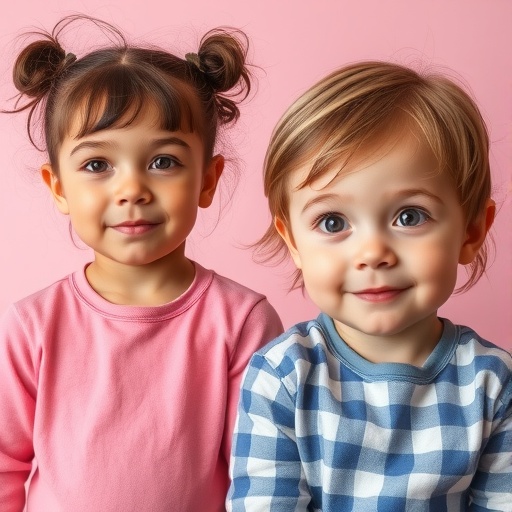
In the multifaceted realm of early childhood education, new insights continue to reshape our understanding of how children navigate gender constructs. The recent work by Koliouli and Papachristou investigates the nuanced ways in which preschool children articulate their perceptions of masculinity and femininity, harnessing the innovative methodology of photovoice. This technique provides a powerful lens through which we witness the emotional landscapes of young children, revealing not only their individual experiences but also the societal narratives that influence their understanding of gender roles.
The paper entitled “Correction: Seeing Gender, Feeling Gender: Preschool Children’s Constructions of Masculinity, Femininity, and Emotion Through Photovoice” highlights the significant impact that visual storytelling has on children’s expressions of identity. By employing photovoice, the authors illustrate how children can effectively communicate complex ideas about gender through images and narratives. This approach empowers young voices, allowing them to assert agency and engage critically with the gender norms present in their environments.
A compelling aspect of the study is its implication for educators and caregivers. Traditionally, conversations surrounding gender have been steeped in adult-centric perspectives, often neglecting the voices of children themselves. Koliouli and Papachristou’s research flips the narrative, emphasizing the need for adult listeners to attune themselves to the insights of their children. By actively participating in discussions about gender, educators can foster an inclusive atmosphere where every child feels validated in their emotional and gender identities.
The authors’ findings challenge standardized notions of gender, positing that young children develop their understandings of masculinity and femininity in deeply personal ways. Through their involvement in the photovoice process, preschoolers showcase their lived experiences and interpretations of gender, which may diverge significantly from societal stereotypes. This divergence invites us to reconsider our assumptions about children’s comprehension of gender roles and the emotional significance that comes with them.
In the context of gendered experiences, the photovoice methodology serves as a bridge connecting children’s emotional expressions with broader societal conversations. The visual narratives created by the children are not simply artistic expressions but rather poignant commentaries on the perceived rigidity of gender norms. Each image coupled with the children’s own reflections brings forth a raw honesty that can only come from lived experience, creating a tapestry of emotions tied to gender identity.
Moreover, the study emphasizes the importance of creating a safe space for children to explore these themes. For educators to effectively support children in their gender explorations, they must first engage in self-reflection regarding their biases and assumptions. This internal work paves the way for authentic dialogues with children, establishing trust and openness that are critical for discussing topics as sensitive as gender and emotion.
Another crucial insight from the research is the role that caregivers play in shaping children’s understanding of gender. The findings suggest that children’s constructions of masculinity and femininity are heavily influenced not just by peers but also by familial narratives and cultural contexts. As such, parental involvement is vital to fostering environments where children feel free to express their identities without fear of judgment or restriction. By working collaboratively with families, educators can create comprehensive strategies that reinforce the messages of acceptance and diversity highlighted by children’s own narratives.
The correction issued by Koliouli and Papachristou reminds us of the evolving nature of research and the necessity of ongoing discourse in the academic community. It underscores the importance of maintaining rigor in scholarly communication and reflects the authors’ commitment to presenting the most accurate depiction of their findings. This dedication to academic integrity enhances the credibility of their work and affirms their role as pioneers in exploring the intersectionality of gender, emotion, and childhood development.
Exploring gender through the lens of emotional expression not only broadens our understanding of childhood development but also challenges us to consider the broader implications for society as a whole. As children reimagine gender norms and articulate their feelings through visual means, they invite adults to engage in challenging conversations about what these constructs mean within our cultural frameworks. The potential for transformation is immense, and it suggests that by listening to children, we too can learn and grow.
Today’s findings serve as a clarion call for educators, researchers, and policymakers alike. We must recognize the profound insights children provide through their artistic expressions and emotional articulations. Investing in methodologies like photovoice will not only enhance academic discussions but may also influence curricular developments that honor children’s voices. Moving forward, stakeholders in early childhood education must prioritize engagement with children’s perspectives to create environments that are not only aware of gender diversity but also responsive to the emotional realities entwined with these identities.
As we look ahead, the implications of Koliouli and Papachristou’s research will resonate across various domains, including education, psychology, and sociology. Their work paves the way for future inquiries into how different factors, such as culture, socioeconomic status, and familial dynamics, further shape children’s gender identities. This future research will be critical in understanding the evolving landscape of gender in early childhood education and the formative role it plays in shaping the emotional health and resilience of children.
In conclusion, the groundbreaking research presented by Koliouli and Papachristou serves as an essential reminder of the value of children’s voices in discussions about gender identities. It underscores the need for educators and caregivers to listen, learn, and facilitate open dialogues surrounding masculinity, femininity, and emotion. As we continue to navigate the complexities of gender in our society, the lessons drawn from early childhood experiences will undoubtedly shape our conversations for generations to come.
Subject of Research: The constructions of masculinity and femininity, as well as the emotional expressions of preschool children through the photovoice methodology.
Article Title: Correction: Seeing Gender, Feeling Gender: Preschool Children’s Constructions of Masculinity, Femininity, and Emotion Through Photovoice.
Article References:
Koliouli, F., Papachristou, A. Correction: Seeing Gender, Feeling Gender: Preschool Children’s Constructions of Masculinity, Femininity, and Emotion Through Photovoice.
Early Childhood Educ J (2025). https://doi.org/10.1007/s10643-025-02106-3
Image Credits: AI Generated
DOI:
Keywords: Gender, Emotion, Preschool Education, Photovoice, Masculinity, Femininity, Early Childhood Development.


