


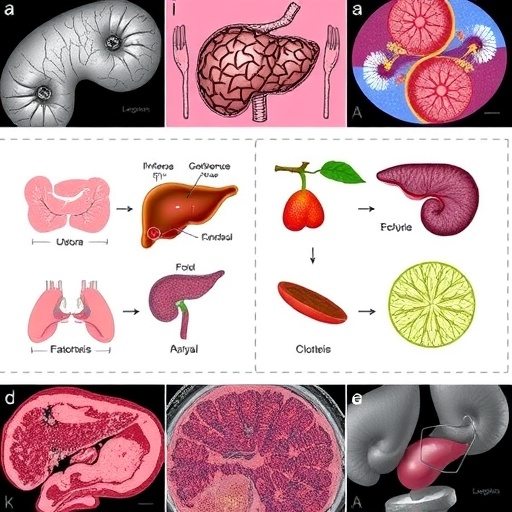
Metabolic dysfunction-associated steatotic liver disease (MASLD) is increasingly recognized as a critical area of research within hepatology, presenting a complex interplay between metabolic dysfunction and liver health. The condition encapsulates both liver steatosis and the more severe form of metabolic dysfunction-associated steatohepatitis (MASH), which can lead to devastating outcomes such as fibrosis, cirrhosis, and significantly heightened risk for hepatocellular carcinoma (HCC). This reinforces the pressing need for robust preclinical models that can accurately replicate the multifaceted characteristics of MASLD and its progression to more severe liver pathology.
Recent advancements in clinical practice guidelines have emphasized the role of systemic metabolic dysfunction as a major contributor to the accumulation of lipids in the liver, and ultimately, the progression of disease. This has introduced new paradigms in understanding the underlying mechanisms driving MASLD and its complications. To replicate human disease in laboratory settings, it is imperative that preclinical models emulate these critical pathophysiological profiles.
A systematic evaluation of current preclinical models for MASLD and MASH-HCC reveals both strengths and limitations that researchers must navigate. Among the prevalent models, genetically altered and humanized animal models have gained traction. These models allow for a more precise investigation into the genetic and metabolic perturbations that define MASLD. However, the utopia of an ideal model remains elusive, as many animal models fail to fully capture the human condition’s intricacies.
In addition to animal studies, in vitro methodologies are becoming integral to research in this area. Techniques such as organoids, spheroids, and even the advancement of 3D-bioprinted livers represent significant strides forward, allowing scientists to create liver models that more closely reflect human biology. These sophisticated systems can provide insight into how metabolic dysfunction affects liver tissues on a cellular level, offering a platform where drugs can be tested at a fraction of the cost and ethical complexity associated with animal models.
The emergence of precision-cut liver slices and organs-on-a-chip technologies is revolutionizing how researchers investigate liver disease. These innovative approaches allow for real-time monitoring of cellular responses to metabolic stressors, providing an unprecedented view of liver function in a controlled environment. Nonetheless, challenges remain, particularly in establishing a consensus for nomenclature and validating these transformative models against human-relevant outcomes.
Engagement with the community surrounding MASLD is crucial for navigating these complexities. A framework advocating for a systematic validation of preclinical models will constitute a cornerstone for future studies. The growing body of evidence must be rigorously scrutinized according to the new definitions of MASLD to ensure that hypotheses are framed within a relevant context. Expanding discussions on strengths and weaknesses will help form robust experimental designs that can address current gaps in knowledge.
With the recognition that human liver diseases are multifactorial, efforts must also be made to explore the interactions between metabolic factors and genetic predispositions. A comprehensive pipeline for preclinical studies is not merely a suggestion but a necessity that can guide researchers in the labyrinth of hepatic metabolic disorders. It should encompass detailed methodologies that ensure models are accurately portraying disease states, prioritizing both translational relevance and experimental rigor.
As attention is drawn to the increasingly well-documented association between MASLD and HCC, the urgency for developing effective therapeutic interventions is unprecedented. The risk factors are intricately linked to lifestyle choices and other systemic conditions, complicating the landscape of treatment. This reality underscores the necessity for targeted preclinical experimentation that can discern actionable insights paving the way for future clinical applications.
Furthermore, engaging in cross-disciplinary collaborations will enhance the research landscape around MASLD. Links between metabolism, immunology, and oncology should be illuminated to facilitate a holistic view of disease mechanisms. Researchers must be equipped with the insights provided by diverse scientific disciplines to confront the myriad challenges posed by MASLD and related pathologies effectively.
Future research can and should exploit advancements in biotechnology and molecular biology to paint a clearer picture of MASLD and its progression to malignancy. The integration of genomic, proteomic, and metabolomic data in preclinical models will allow for more tailored studies that can elucidate specific pathways involved in disease etiology. This will ultimately contribute to the development of novel therapeutic strategies that can effectively target the underlying causes of MASLD.
As the field continues to evolve, it is crucial that researchers remain informed about emerging technologies and methodologies that can enhance the understanding of MASLD. Participation in forums, conferences, and journal clubs can further cultivate a culture of collaboration that fosters innovation. By sharing findings and discussing challenges, the scientific community can unify efforts against the growing concern of metabolic liver diseases.
A commitment to developing standardized practices in preclinical research will not only bolster the credibility of findings but will also facilitate reproducibility across studies. This alignment can ensure that promising therapeutic candidates can transition smoothly from bench to bedside, ultimately improving patient outcomes associated with MASLD and related conditions.
As the journey towards understanding MASLD continues, it is essential for the research community to remain vigilant and proactive. The landscape of liver disease is complex, and the contributions of dedicated researchers will be pivotal in unraveling the intricacies of hepatic pathology. Through targeted inquiry, collaboration, and a steadfast focus on translational relevance, we move one step closer to deciphering the enigma of metabolic dysfunction and its impact on liver health.
Leslie, J., Krishnamurthy, K.A., Gopalsamy, I.K. et al. Metabolic dysfunction-associated steatotic liver disease and steatohepatitis-associated hepatocarcinoma preclinical models.
Nat Rev Gastroenterol Hepatol (2026). https://doi.org/10.1038/s41575-025-01162-9
Cite Scienmag News
Nathaniel Bowman. (January 26, 2026). Preclinical Models for Steatosis and Hepatocarcinoma Research. Scienmag. https://scienmag.com/preclinical-models-for-steatosis-and-hepatocarcinoma-research/
Nathaniel Bowman. "Preclinical Models for Steatosis and Hepatocarcinoma Research." Scienmag, 26 January 2026, https://scienmag.com/preclinical-models-for-steatosis-and-hepatocarcinoma-research/. Accessed 3 September 2026.
Nathaniel Bowman. "Preclinical Models for Steatosis and Hepatocarcinoma Research." Scienmag. January 26, 2026. https://scienmag.com/preclinical-models-for-steatosis-and-hepatocarcinoma-research/


