


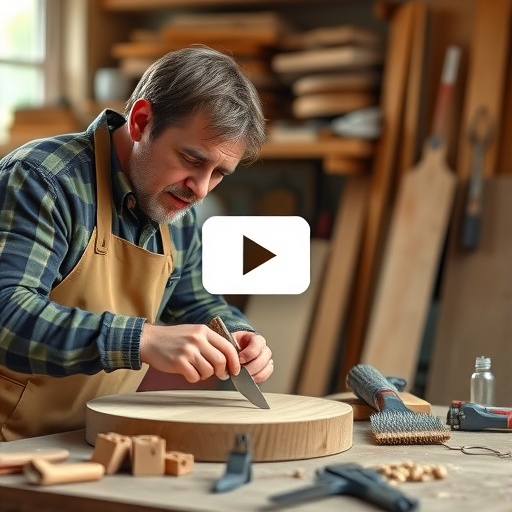
In a groundbreaking study led by researchers Skarelius, Hrastinski, and Viberg, published in the journal “Discov Educ,” the significance of video as a medium for demonstrating practical knowledge in craft education is brought to the forefront. This innovative research highlights the ways in which video technology can enhance learning experiences, particularly within the context of Swedish schools. The authors argue that visual learning aids, such as videos, can bridge gaps in traditional teaching methods and offer students a more engaging and effective way to absorb practical skills.
Craft education has traditionally emphasized hands-on experiences, yet many students face difficulties in internalizing complex techniques through verbal instructions alone. This study proposes that integrating video resources into the curriculum can greatly assist learners in visualizing the steps necessary for mastering various crafts. The researchers note that the movement towards digital learning environments has accelerated the need to implement multimedia resources in educational settings, thereby empowering students to take ownership of their learning journeys.
One striking aspect of this research is the analysis of different types of video content utilized in the classroom. The study categorizes illustrative videos into tutorials, demonstrations, and peer-to-peer learning scenarios, each serving a specific educational purpose. Tutorials, for example, focus on step-by-step instructions, while demonstrations showcase completed projects, providing students with a clearer understanding of potential outcomes. Peer-to-peer videos, on the other hand, create a shared learning experience, allowing students to learn from each other’s successes and mistakes in a collaborative environment.
Moreover, the study discusses the impact of video content on student engagement and retention rates. By intersecting traditional teaching with modern technology, the researchers found that students displayed higher levels of interest and motivation when videos were incorporated into lessons. This engagement translates into improved retention of practical skills and concepts, marking a significant advancement in educational psychology. The visual and auditory elements of videos help reinforce learning experiences, making them more memorable compared to text-based or oral explanations.
Another crucial aspect highlighted in the study is the role of instructor-led versus student-generated video content. Both approaches yield significant benefits, yet they cater to different aspects of the educational experience. Instructor-led videos provide current, expert guidance that sets a clear foundation for students, while student-generated content fosters creativity and critical thinking skills. This dual approach promotes a robust learning environment, allowing students to engage deeply with the subject matter and express their understanding through video production.
The researchers also delve into the accessibility of video resources. With the proliferation of smartphones and affordable video editing tools, students and teachers alike can create high-quality instructional videos without extensive technical know-how. This democratization of video production means that all educational institutions, regardless of their financial status, can leverage video technology to enhance learning. Encouraging student participation in the creation of educational content cultivates a sense of community and belonging, which is vital for academic success.
As schools aim to prepare students for a rapidly changing job market, instilling practical knowledge and skills becomes paramount. The findings of this study suggest that integrating video into craft education is not merely a supplementary resource; rather, it is crucial to developing a workforce equipped with the relevant skills and creativity required in today’s economy. This emphasis on practical knowledge aligns with educational policies that prioritize experiential learning methods.
The authors also emphasize the importance of feedback mechanisms when utilizing video resources in education. Establishing a structured feedback loop allows both students and instructors to assess the effectiveness of the video content, thus enabling continuous improvement. When students can analyze their performances against feedback offered in instructional videos, they develop a critical lens through which to evaluate their techniques and learning processes.
In terms of pedagogical implications, the study highlights the necessity of teacher training programs that encompass technological integration in traditional curricula. Professional development for teachers will empower them to seamlessly weave video resources into their teaching practices, ultimately enhancing the educational landscape. As educators become more equipped with these tools, the transformation in craft education will reach broader audiences, benefiting students across multiple disciplines.
Furthermore, the study presents a noteworthy perspective on how video content can facilitate remote learning, especially in situations where in-person instruction is limited. The COVID-19 pandemic underscored the importance of adaptable teaching strategies, and the findings of this research suggest that leveraging video technology can mitigate learning disruptions. Schools must embrace these digital tools to create resilient educational frameworks that can withstand future challenges.
Overall, this research makes a compelling case for the transformative power of video in craft education within Swedish schools. By demonstrating practical knowledge through visual mediums, educators can inspire a new generation of students who are not only more engaged but also better equipped with the skills necessary for future careers. The interplay of traditional craft techniques and modern technology sets a precedent for educational institutions worldwide to rethink their approaches and thus cultivate innovative, capable learners.
As the study closes, the authors call for further research into the long-term effects of video-based learning on practical knowledge acquisition. They advocate for collaborative efforts between educators, technologists, and researchers to explore innovative ways video can enhance education in various contexts. The journey toward a more effective education system may find its most promising ally in video technology.
In conclusion, the integration of video into craft education represents a significant leap forward in teaching methodologies. It creates a synthesis of creativity, engagement, and collaboration, making learning more accessible and effective for students. As educators begin to adopt these strategies, future classrooms could witness increased levels of participation and improved outcomes, shaping the next generation of skilled professionals prepared to tackle the challenges of an ever-evolving world.
Skarelius, H., Hrastinski, S. & Viberg, O. Demonstrating practical knowledge through video in craft education in Swedish schools.
Discov Educ 4, 382 (2025). https://doi.org/10.1007/s44217-025-00844-5
Cite Scienmag News
Courtney Benton. (October 2, 2025). Praktisk kunskap i hantverk genom video i skolan. Scienmag. https://scienmag.com/praktisk-kunskap-i-hantverk-genom-video-i-skolan/
Courtney Benton. "Praktisk kunskap i hantverk genom video i skolan." Scienmag, 2 October 2025, https://scienmag.com/praktisk-kunskap-i-hantverk-genom-video-i-skolan/. Accessed 4 September 2026.
Courtney Benton. "Praktisk kunskap i hantverk genom video i skolan." Scienmag. October 2, 2025. https://scienmag.com/praktisk-kunskap-i-hantverk-genom-video-i-skolan/


