


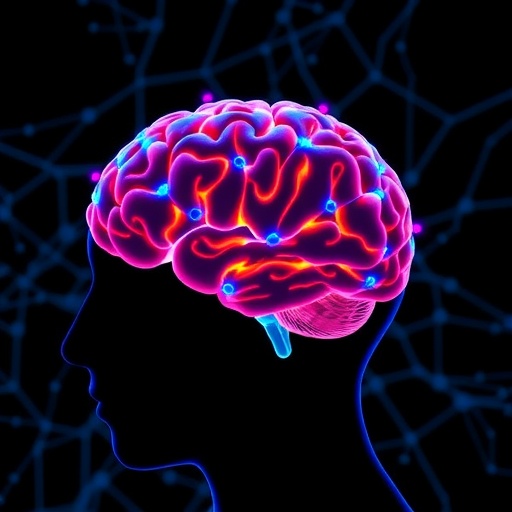
Recent groundbreaking research conducted by scholars at the Hong Kong Polytechnic University (PolyU) has unveiled significant neurocognitive correlations linking testosterone levels in young men to behaviors that influence generosity and self-worth. This study delves into the intricate ways in which hormonal activity within the brain shapes socio-emotional decision-making processes, offering new insights that could reshape prevailing theories in neuroendocrinology and behavioral psychology.
Testosterone, a steroid hormone traditionally associated with male secondary sexual characteristics, has progressively been recognized for its broader neuropsychological impacts. However, the precise neural pathways and cognitive mechanisms it modulates remained largely elusive until now. By integrating advanced neuroimaging techniques with hormonal assays and behavioral analyses, researchers have mapped distinct neurocognitive patterns that mediate the influence of testosterone on prosocial behavior and self-perception.
Central to the study is the observation that elevated testosterone correlates not solely with dominance or aggression, as widely portrayed, but also with nuanced social behaviors that underpin generosity. The researchers found that testosterone modulates activity in brain regions such as the ventromedial prefrontal cortex (vmPFC) and the anterior cingulate cortex (ACC), both of which are critically involved in empathy, reward processing, and valuation of social exchanges. This challenges reductive stereotypes and suggests an adaptive role for testosterone in promoting cooperative social interactions under specific contexts.
Moreover, the research elucidates how self-worth, a fundamental psychological construct influencing motivation and mental health, is intricately linked to testosterone-regulated neural circuitry. Functional MRI data demonstrated that individuals with higher testosterone levels display enhanced connectivity between the vmPFC and the striatum, a key node in the brain’s reward system. This enhanced connectivity is associated with increased self-esteem and a propensity to engage in generous acts, positioning testosterone as a neurobiological substrate for positive self-assessment and altruistic tendencies.
Methodologically, the study employed a cohort of young men aged between 18 and 25, ensuring control over developmental variables that might confound hormonal and cognitive interactions. Salivary testosterone assays were utilized to provide precise quantifications of hormone concentrations, while participants underwent a series of behavioral tasks involving resource distribution and self-evaluation scales during functional neuroimaging sessions. The sophistication of this design allowed for the disentanglement of direct hormonal effects from social context and personality traits.
Another pivotal aspect of the findings is the dose-dependent nature of testosterone’s influence on generosity. The research indicates a nonlinear relationship, wherein moderate levels amplify prosocial behaviors, but excessively high levels may attenuate this effect, potentially tipping the balance toward competitiveness or self-centered actions. This nonlinear dynamic sheds light on the complexity of endocrine regulation of social cognition and highlights the necessity for precise hormonal homeostasis for optimal social functioning.
Beyond the immediate neuroscientific implications, these results have profound potential applications in clinical and social domains. Understanding the neuroendocrine substrates of generosity and self-worth could inspire novel interventions for psychiatric conditions characterized by social withdrawal, low self-esteem, or impaired empathy. For instance, disorders such as depression, social anxiety, and certain personality disorders might benefit from therapies targeting the modulation of testosterone-related neural pathways.
Furthermore, this research contributes to the broader discourse on gender and behavior by offering empirical evidence that challenges binary conceptions of testosterone effects. It underscores that hormonal influences are context-dependent and interact intricately with environmental and psychological factors, thereby advocating for a more nuanced understanding that transcends simplistic biological determinism.
The researchers also propose future investigations to examine longitudinal changes in testosterone-neurocognition relationships across different stages of adulthood and in diverse populations. Such studies could unravel how life experiences, cultural norms, and aging modulate these dynamics, potentially informing age and culture-sensitive approaches to enhancing social well-being.
Technological advancements in neuroimaging, particularly high-resolution fMRI and machine learning-based connectivity analyses, played a crucial role in enabling the detailed mapping of testosterone’s neural impact. The integration of multimodal data sets exemplifies the cutting-edge interdisciplinary approach required to decode the complex nexus between hormones, brain, and behavior.
In conclusion, this pioneering work from PolyU not only advances scientific understanding of the biological substrates underpinning generosity and self-worth but also paves the way for innovative strategies to foster healthier social environments and improve psychological resilience. By illuminating the dual role of testosterone as both a biological driver and a socio-cognitive modulator, the study marks a significant milestone in unraveling the neuroendocrine foundations of human sociality.
Cite Scienmag News
Glenn Wilkins. (August 7, 2025). PolyU Study Uncovers How Testosterone Influences Generosity and Self-Worth in Young Men Through Neurocognitive Mechanisms. Scienmag. https://scienmag.com/polyu-study-uncovers-how-testosterone-influences-generosity-and-self-worth-in-young-men-through-neurocognitive-mechanisms/
Glenn Wilkins. "PolyU Study Uncovers How Testosterone Influences Generosity and Self-Worth in Young Men Through Neurocognitive Mechanisms." Scienmag, 7 August 2025, https://scienmag.com/polyu-study-uncovers-how-testosterone-influences-generosity-and-self-worth-in-young-men-through-neurocognitive-mechanisms/. Accessed 4 September 2026.
Glenn Wilkins. "PolyU Study Uncovers How Testosterone Influences Generosity and Self-Worth in Young Men Through Neurocognitive Mechanisms." Scienmag. August 7, 2025. https://scienmag.com/polyu-study-uncovers-how-testosterone-influences-generosity-and-self-worth-in-young-men-through-neurocognitive-mechanisms/


