


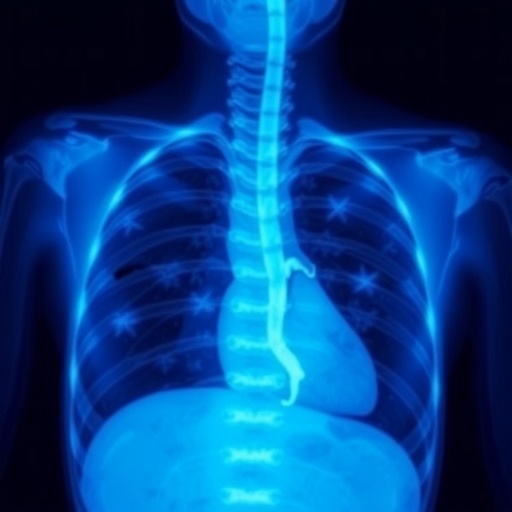
In a groundbreaking study published in BMC Pediatrics, researchers Luo, Wu, and Yang et al. have made significant strides in understanding the impact of Pneumocystis jirovecii pneumonia (PJP) in pediatric patients afflicted with malignant diseases. The research tackles an urgent healthcare issue, elucidating how compromised immune systems in children undergoing cancer treatment can create vulnerabilities to opportunistic infections, particularly from Pneumocystis jirovecii, a fungus known for causing severe respiratory illness.
Pneumocystis jirovecii pneumonia, once thought to be limited primarily to immunocompromised adults, has gained attention in the pediatric population, especially among those with malignancies. Children suffering from conditions such as leukemia or lymphoma often undergo extensive chemotherapy, which significantly impairs their immune response. This study investigates the clinical profiles, treatment options, and outcomes associated with PJP in these vulnerable populations, providing critical insights into preventive measures and potential therapeutic strategies.
The implications of this study are vast, as it underscores the need for heightened surveillance and early diagnosis of PJP in children with cancer. Pneumocystis jirovecii may not be as readily recognizable as other pathogens, leading to delayed treatment and severe complications. The authors emphasize the importance of integrating routine screening for PJP into the oncology treatment protocols for pediatric patients. Early intervention is key, as timely antimicrobial therapy can dramatically improve respiratory outcomes and reduce the risk of mortality.
One of the significant findings of the study shows a correlation between the degree of immunosuppression and the clinical presentation of PJP. Children with more profound neutropenia, a common side effect of aggressive chemotherapy regimens, displayed more severe symptoms and a higher rate of complications. The study also tracks the duration of neutropenia and its relationship with the onset of Pneumocystis pneumonia, bolstering the argument for earlier prophylactic measures in at-risk patients.
A noteworthy aspect of this research is its attention to the role of biomarkers in diagnosing PJP. The authors evaluated various clinical parameters, including serum beta-D-glucan levels and C-reactive protein concentrations, which may serve as potential indicators of infection severity. Through their analysis, they propose that integrating biomarker assessments alongside standard clinical practices could enhance diagnostic accuracy and expedite the initiation of treatment.
Moreover, the study delineates the treatment protocols utilized across various cases. The authors report on the effectiveness of first-line therapies such as trimethoprim-sulfamethoxazole (TMP-SMX), but they also discuss emerging treatments, including the role of intravenous pentamidine and adjunctive corticosteroids in severe cases. This evidence showcases the need for a tailored approach to therapy, taking into account the individual patient’s condition, underlying diseases, and response to initial treatments.
A significant takeaway from this investigation is the long-term outlook for survivors of PJP. The authors present data indicating that while many children can recover fully with appropriate treatment, some may face lingering respiratory issues. This realization raises a crucial point about the need for comprehensive follow-up care that addresses respiratory health even after successful cancer treatment.
The study also highlights the psychosocial implications for families dealing with a dual diagnosis of cancer and PJP. The emotional and mental toll on both the children and their caregivers is profound. Recognizing the importance of psychological support systems, the researchers advocate for integrating mental health services into pediatric oncology care.
By outlining the necessity for interprofessional collaboration among pediatric oncologists, infectious disease specialists, and mental health professionals, the authors stress that addressing the complexities of co-occurring conditions can lead to improved overall outcomes for young patients battling malignancy.
Luo and colleagues’ study is not just a clinical inquiry; it calls for a paradigm shift in how healthcare professionals perceive and manage opportunistic infections in vulnerable pediatric populations. As we reflect on these findings, it becomes increasingly apparent that proactive measures, bolstered by solid scientific evidence, are essential in enhancing the quality of care for children undergoing cancer therapy.
Additionally, the authors encourage further research into potential vaccine development or other prophylactic strategies to combat PJP, as the morbidity associated with future infections remains a critical concern post-cancer treatment. Such initiatives could revolutionize care strategies and contribute to decreasing the burden of this opportunistic infection.
In conclusion, the clinical analysis of Pneumocystis jirovecii pneumonia presented by Luo, Wu, and Yang et al. serves as a call to action. The urgency of this health threat requires immediate attention and action from the medical community. By fostering a collaborative environment centered on early detection, innovative therapeutic approaches, and comprehensive patient support, we can pave the way for improved outcomes in children facing the dual battle of cancer and opportunistic infections.
Luo, H., Wu, P., Yang, H. et al. Clinical analysis of Pneumocystis jirovecii pneumonia in children with malignant disease.
BMC Pediatr 25, 906 (2025). https://doi.org/10.1186/s12887-025-06288-y
Cite Scienmag News
Nathaniel Bowman. (November 4, 2025). Pneumocystis Jirovecii Pneumonia in Pediatric Cancer Patients. Scienmag. https://scienmag.com/pneumocystis-jirovecii-pneumonia-in-pediatric-cancer-patients/
Nathaniel Bowman. "Pneumocystis Jirovecii Pneumonia in Pediatric Cancer Patients." Scienmag, 4 November 2025, https://scienmag.com/pneumocystis-jirovecii-pneumonia-in-pediatric-cancer-patients/. Accessed 4 September 2026.
Nathaniel Bowman. "Pneumocystis Jirovecii Pneumonia in Pediatric Cancer Patients." Scienmag. November 4, 2025. https://scienmag.com/pneumocystis-jirovecii-pneumonia-in-pediatric-cancer-patients/


