


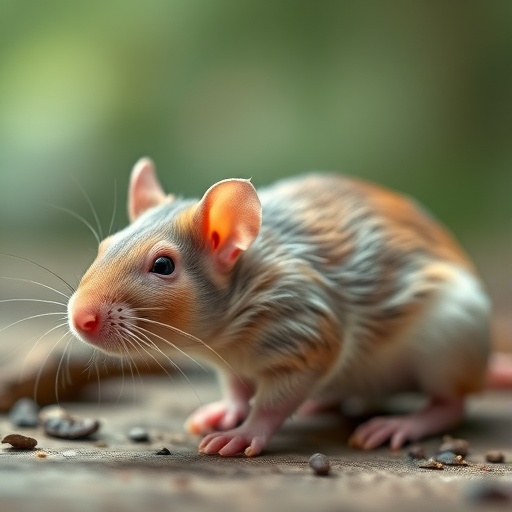
Recent advancements in environmental and health research have unveiled a significant and alarming connection between particulate matter, particularly PM₂.₅, and the exacerbation of respiratory diseases. The latest study conducted by Zhao et al. dives deep into how PM₂.₅, a pervasive air pollutant, influences the vulnerability to allergic asthma in elderly rats that have been subjected to allergen treatments. This groundbreaking research sheds light on the intricate mechanisms underpinning respiratory ailments and points to the pressing need for public health interventions aimed at reducing particulate matter exposure.
As urbanization intensifies globally, air pollution has emerged as a leading cause of morbidity and mortality, particularly among vulnerable groups. The elderly, who may have preexisting health conditions, represent a significant demographic at risk. Zhao and colleagues utilized a well-established animal model to explore the synergistic effects of PM₂.₅ and allergens on respiratory health. By exposing elderly rats to varying concentrations of PM₂.₅ while administering allergens, the researchers were able to observe direct correlations between particulate matter exposure and asthma susceptibility.
The methodology employed in this study is remarkable in its rigor and attention to detail. The researchers conducted a series of carefully controlled experiments over an extended period, simulating real-world exposure scenarios. The elderly rats were exposed to PM₂.₅ at concentrations that reflect levels commonly found in urban environments. Furthermore, the allergen treatments mirrored natural allergen exposure conditions, allowing for a robust assessment of the resulting inflammatory responses in the respiratory system.
Results demonstrated that PM₂.₅ exposure significantly heightened the inflammatory response in the lungs of the rats. This inflammation is a fundamental characteristic of allergic asthma and is exacerbated by pollutants like PM₂.₅, which can penetrate deep into the respiratory tract. The study detailed increased levels of cytokines and other inflammatory markers following PM₂.₅ exposure, indicating a profound alteration in the immune response of the subjects.
What makes this research particularly compelling is its focus on the age-related aspect of susceptibility to asthma. The elderly population often faces greater challenges regarding respiratory health due to the natural decline in lung function and immune response that accompanies aging. Zhao et al. highlighted how age amplifies the effects of PM₂.₅ exposure, suggesting that interventions aimed at this demographic are not only necessary but urgently needed.
The findings underscore the importance of establishing protective measures against air pollution, particularly for at-risk populations. The study recommends enhanced regulatory frameworks that can effectively limit PM₂.₅ emissions in urban settings. Such actions could significantly mitigate health risks associated with exposure and improve overall public health outcomes.
In tandem with government regulations, public education campaigns about the dangers of air pollution are also essential. Increasing awareness about the sources and effects of PM₂.₅ can empower communities to advocate for cleaner air and healthier environments. This is especially vital for ensuring the health of vulnerable groups, including the elderly and individuals with preexisting respiratory conditions.
Moreover, the implications of Zhao et al.’s research extend beyond animal models. By elucidating the mechanisms through which PM₂.₅ exacerbates allergic responses, the study paves the way for future human studies. Understanding these pathways is crucial for developing new therapeutic strategies that can better protect at-risk populations from the adverse effects of air pollution.
The study also opens doors for further exploration into how genetic and environmental factors interact with pollutants like PM₂.₅. Future research could focus on identifying specific genetic markers that may predict susceptibility to asthma exacerbations in polluted environments, providing a more personalized approach to respiratory health management.
It is essential to recognize that while the findings are compelling, translating animal research into human health implications requires caution. The biological systems of humans and rats can react differently to environmental stressors, necessitating further investigation to confirm these results in human studies.
In conclusion, Zhao et al.’s research represents a critical contribution to understanding the complex relationship between air pollution and respiratory health, particularly in vulnerable populations. The study serves as a reminder of the pressing need for comprehensive air quality management strategies and public health initiatives aimed at protecting the elderly and others at risk from the effects of PM₂.₅ exposure.
As we look towards the future, it becomes imperative to foster interdisciplinary collaboration among researchers, policymakers, and community advocates to address the multifaceted challenge of air pollution and its health impacts. Only through concerted efforts can we hope to safeguard public health, especially for those most susceptible to the detrimental effects of worsening air quality.
With the realities of climate change and urban pollution pressing down on global populations, studies like this one by Zhao et al. highlight the urgent need for systemic changes in our approach to environmental health. By working together, we can strive towards a healthier, cleaner future for all.
Zhao, L., Ding, X., Zhou, L. et al. Correction: Effect of PM2.5 exposure on susceptibility to allergic asthma in elderly rats treated with allergens.
Sci Rep 15, 44962 (2025). https://doi.org/10.1038/s41598-025-33949-w
Cite Scienmag News
Russell Cooper. (December 29, 2025). PM2.5 Increases Allergic Asthma Risk in Aged Rats. Scienmag. https://scienmag.com/pm2-5-increases-allergic-asthma-risk-in-aged-rats/
Russell Cooper. "PM2.5 Increases Allergic Asthma Risk in Aged Rats." Scienmag, 29 December 2025, https://scienmag.com/pm2-5-increases-allergic-asthma-risk-in-aged-rats/. Accessed 4 September 2026.
Russell Cooper. "PM2.5 Increases Allergic Asthma Risk in Aged Rats." Scienmag. December 29, 2025. https://scienmag.com/pm2-5-increases-allergic-asthma-risk-in-aged-rats/


