


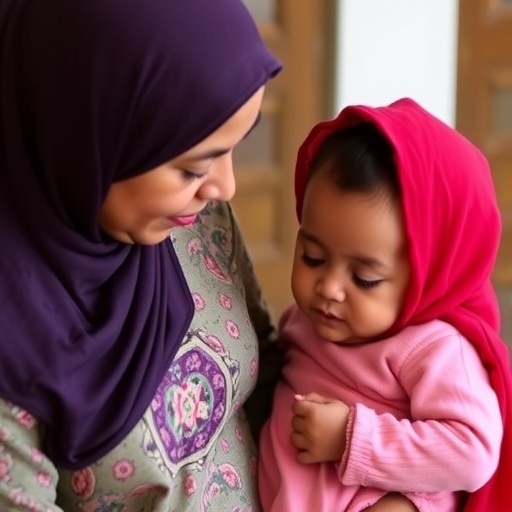
Maternal mortality remains a critical indicator of a nation’s healthcare system and socioeconomic conditions, reflecting the accessibility and quality of prenatal and maternal care. In Peru, a country marked by striking geographical diversity and socioeconomic disparities, maternal mortality has long been a pressing public health challenge. The recent comprehensive study conducted by Soto-Cabezas, Vásquez-Mejía, Gil, and colleagues, published in the International Journal for Equity in Health, offers an in-depth examination of maternal mortality trends in Peru, the complex determinants at play, entrenched inequalities, and the profound impact wrought by the COVID-19 pandemic.
Over the past decades, Peru has made measurable progress in reducing maternal mortality ratios, a testament to policy interventions and healthcare investments. However, this decline has not been uniform nor sufficient to eliminate the risk of maternal death. Persistent structural inequalities, varied access to healthcare services between urban and rural areas, and sociocultural factors continue to fuel disparities. The study meticulously traces these evolving patterns, employing robust epidemiological data to reveal how maternal mortality has shifted across regions, socioeconomic strata, and ethnic groups within the country.
Central to the analysis is the elucidation of determinants that drive maternal mortality in Peru. These encompass a spectrum of medical, social, and systemic factors. Clinically, major contributors include hypertensive disorders in pregnancy, hemorrhage, infections, and complications related to unsafe abortion. The research highlights that many of these causes are preventable or manageable with prompt, quality care. Yet, the accessibility and timeliness of such care remain inconsistent, particularly in rural Andean and Amazonian regions where healthcare infrastructure is sparse and under-resourced.
Socioeconomic conditions compound these challenges significantly. Poverty, limited education, and indigenous status are potent predictors of increased maternal mortality risk in Peru. Women in impoverished settings grapple with barriers such as poor transportation, cultural and language gaps, and discrimination within healthcare facilities. The study underscores that indigenous women, especially Quechua and Aymara speakers, face alarmingly elevated mortality rates, pointing to systemic neglect and the urgent need for culturally competent care models that respect traditional practices while ensuring medical safety.
In addition to highlighting these entrenched inequalities, the research explores how the COVID-19 pandemic dramatically reversed gains in maternal health. As healthcare systems became overwhelmed, many routine maternal health services were disrupted. Fear of contracting the virus, lockdown measures, and economic hardships further deterred pregnant women from seeking timely antenatal and emergency care. The study quantifies a stark uptick in maternal deaths during 2020 and 2021, illustrating the vulnerability of maternal health to global health crises and the fragility of existing health systems.
The authors delve deep into data segmented by region, showing that the pandemic exacerbated disparities particularly in rural and marginalized areas already struggling with inadequate maternal health infrastructure. The collapse of health service delivery in these parts magnified risks of preventable complications, underscoring the intersection of public health emergencies and social determinants of health in shaping maternal outcomes.
Methodologically, the study stands out for its comprehensive use of national vital statistics, health service utilization records, and socioeconomic datasets spanning multiple years. Advanced statistical modeling was employed to disentangle the complex interactions between determinants and outcomes, allowing for nuanced insights into the relative impact of various factors. This rigorous approach lends weight to the study’s calls for targeted policy responses tailored to the variegated landscape of Peru’s maternal health challenges.
Importantly, the authors advocate for multisectoral strategies to reduce maternal mortality sustainably. Enhancing healthcare infrastructure in underserved regions, training health workers in culturally sensitive practices, and expanding health insurance coverage are key recommendations. Moreover, community engagement and education initiatives aimed at demystifying childbirth and promoting early care seeking are vital in bridging gaps.
The findings also stir a probing reflection on the imperative to address systemic inequities beyond the health sector. Poverty alleviation, improved female education, and empowerment emerge as foundational pillars that can indirectly but powerfully influence maternal survival. Integrating social protection programs with maternal health services could create synergistic effects that go beyond immediate clinical care.
Technological innovations and digital health tools are proposed as promising avenues to enhance maternal care delivery in Peru’s challenging terrains. Telemedicine, mobile health applications, and remote monitoring have the potential to connect dispersed populations with expert providers, mitigate travel-related barriers, and bolster continuous care frameworks. The study urges urgent investment and piloting of such technologies in maternal health programs.
Equally crucial is the strengthening of health system resilience to future shocks, including pandemics and natural disasters, which disproportionately imperil vulnerable populations. The insights from Peru’s COVID-19 experience spotlight the necessity of maintaining essential maternal services even amid public health emergencies, reinforcing supply chains, protecting healthcare workers, and ensuring data-driven monitoring.
The research further contributes to global conversations on maternal mortality by offering a granular case study in a middle-income country confronting layered challenges. Peru’s progress and setbacks underscore that maternal mortality reduction requires sustained commitment, equity-driven policies, and adaptive health systems capable of responding to evolving risks.
This study serves as a clarion call for intensified action to save the lives of mothers in Peru, especially those in marginalized communities. Its integrated exploration of biological, social, and systemic determinants equips policymakers, clinicians, and advocates with critical evidence to design responsive and inclusive maternal health interventions.
Ultimately, the message resonates universally: maternal mortality is not just a health indicator but a mirror reflecting broader societal injustices and the collective responsibility to protect women’s lives. Peru’s experience, vividly dissected in this work, exemplifies the complex interplay of factors that shape maternal survival and the urgent need for equity-centered health reforms.
As maternal mortality remains a sentinel metric globally, studies like this illuminate pathways toward achieving the Sustainable Development Goals related to maternal health. By embracing holistic approaches and addressing inequalities, nations can forge stronger, more compassionate systems that honor the intrinsic value of every mother’s life.
The comprehensive assessment by Soto-Cabezas and colleagues thus stands as an essential contribution to maternal health scholarship and action. It calls for vigilance, innovation, and inclusiveness in confronting one of the most enduring challenges in public health—ensuring that no mother dies while giving life.
Cite Scienmag News
Courtney Benton. (October 1, 2025). Peru’s Maternal Mortality: Trends, Causes, COVID Impact. Scienmag. https://scienmag.com/perus-maternal-mortality-trends-causes-covid-impact/
Courtney Benton. "Peru’s Maternal Mortality: Trends, Causes, COVID Impact." Scienmag, 1 October 2025, https://scienmag.com/perus-maternal-mortality-trends-causes-covid-impact/. Accessed 4 September 2026.
Courtney Benton. "Peru’s Maternal Mortality: Trends, Causes, COVID Impact." Scienmag. October 1, 2025. https://scienmag.com/perus-maternal-mortality-trends-causes-covid-impact/


