

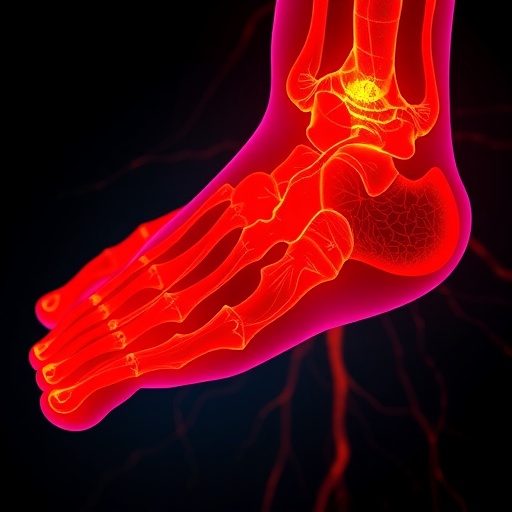
In the realm of chronic conditions, diabetes remains one of the most prevalent metabolic disorders worldwide, particularly type 2 diabetes mellitus (T2DM). Despite extensive research dedicated to understanding its complexities, complications associated with T2DM continue to pose significant challenges not only for healthcare professionals but also for the individuals living with the condition. A recent cross-sectional study conducted in Khartoum State sheds light on one of these serious complications—peripheral neuropathy. The findings of this study emphasize the urgency for increased awareness and comprehensive management strategies for T2DM patients to mitigate the risks associated with this debilitating condition.
Peripheral neuropathy is characterized by damage to the peripheral nerves, which often results in pain, numbness, and weakness, predominantly in the hands and feet. This type of neuropathy is one of the common complications that individuals with T2DM may face if their condition is poorly managed. The consequences of peripheral neuropathy can severely affect patients’ quality of life, leading to impaired mobility and increased risk of falls and ulcers. The study conducted by Ali et al. in Khartoum State addresses the stark reality of this issue, highlighting the prevalence of peripheral neuropathy among T2DM patients in the region.
Through meticulous research methodology, the study illustrates the demographic breakdown of the diabetes patient population in Khartoum State, offering valuable insights into the prevalence of peripheral neuropathy within this cohort. Data was collected from a diverse group of participants, ensuring a representative sample that encapsulates various socio-economic backgrounds. By evaluating patients through neurological examinations and questionnaires, the researchers were able to identify not only the incidence of peripheral neuropathy but also the associated factors contributing to its development.
One notable aspect of the study is its focus on the associated risk factors that may predispose individuals with T2DM to develop peripheral neuropathy. These factors include poor glycemic control, duration of diabetes, hypertension, and even lifestyle choices such as diet and physical activity levels. Such findings underscore the complex interplay between metabolic control and neuropathy, reinforcing the critical nature of maintaining optimal blood sugar levels to prevent the onset of complications associated with diabetes.
The cross-sectional nature of the study allows for a snapshot understanding of the current state of diabetes-related complications in Khartoum State. While longitudinal studies could provide deeper insights into the progression of peripheral neuropathy over time, this research offers timely and pertinent data that could influence both clinical practice and public health policy. The high prevalence rates observed within the study serve as a clarion call for healthcare providers to prioritize routine screening for neuropathy in diabetes patients, enabling early detection and intervention.
Moreover, the study draws attention to the socio-economic implications of peripheral neuropathy. Many individuals living with T2DM in Khartoum State also face various socio-economic barriers that further complicate their health management. Accessibility to healthcare, medication, and educational resources on diabetes management can play a crucial role in both the prevalence and management of diabetes-related complications. Addressing these disparities is essential for improving health outcomes and quality of life for affected individuals.
Education serves as a vital component in managing diabetes and its complications effectively. The researchers stress the importance of raising awareness about the risks of peripheral neuropathy and the essential lifestyle modifications required to mitigate these risks. Public health initiatives focused on diabetes education can empower individuals to take charge of their health, making informed decisions about their diet, exercise, and medication adherence.
Furthermore, healthcare systems need to adopt multi-disciplinary approaches to effectively address the challenges faced by individuals with T2DM. Integrating services that encompass diabetic care, nutritional counseling, psychological support, and regular monitoring for complications can foster a more holistic management strategy. Such an approach can significantly reduce the burden of complications such as peripheral neuropathy, improving patient outcomes.
As the study by Ali et al. highlights the need for immediate action regarding the management of peripheral neuropathy in individuals with T2DM, it also opens avenues for future research. Investigating additional risk factors, potential biomarkers, and effective intervention strategies can provide deeper insights into this complication. Future studies could also explore the genetic predisposition of individuals from various backgrounds to express peripheral neuropathy, contributing to a richer understanding of the condition’s etiology.
The findings from Khartoum State not only resonate within the local demographic but also reflect global concerns over the prevalence of diabetes-related complications. As the incidence of type 2 diabetes continues to rise globally, the urgency for targeted interventions cannot be overstated. Public health agencies, clinicians, and policymakers must collaborate to develop and implement effective strategies aimed at reducing the risk of peripheral neuropathy and improving overall diabetes care.
In conclusion, the study by Ali et al. serves as a wake-up call regarding the prevalence and associated factors of peripheral neuropathy in individuals with type 2 diabetes in Khartoum State. It underscores the fundamental need for increased awareness, routine screening, and proactive management strategies within the healthcare systems. Understanding the relationship between metabolic control and the onset of neuropathy can foster better health outcomes, ensuring that individuals with diabetes lead fulfilling lives, free from the complications that often accompany this chronic condition.
In a world where diabetes is a growing epidemic, this research highlights a critical intersection of health, education, socio-economic factors, and healthcare accessibility. As the diabetes landscape continues to evolve, it is imperative that we stay ahead of complications such as peripheral neuropathy, safeguarding the health of individuals living with this complex condition.
Subject of Research: Prevalence and associated factors of peripheral neuropathy in individuals with type 2 diabetes mellitus.
Article Title: Prevalence and associated factors of peripheral neuropathy in individuals with type 2 diabetes mellitus: a cross-sectional study in Khartoum State.
Article References:
Ali, A.M.M., Babiker, M.Y., Elkheir, H.K. et al. Prevalence and associated factors of peripheral neuropathy in individuals with type 2 diabetes mellitus: a cross-sectional study in Khartoum State. BMC Endocr Disord (2025). https://doi.org/10.1186/s12902-025-02124-7
Image Credits: AI Generated
DOI:
Keywords: Peripheral Neuropathy, Type 2 Diabetes Mellitus, Khartoum State, Prevalence, Risk Factors.


