


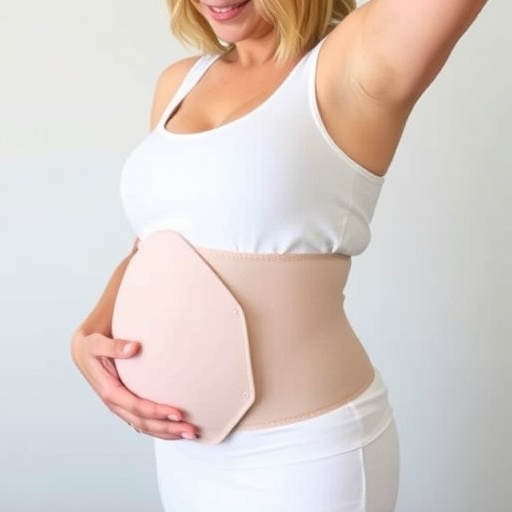
The postpartum period can be a challenging time for women as their bodies undergo significant changes as they recover from childbirth. One of the critical aspects of recovery is ensuring proper postural stability, which can be compromised during this time. Recent research has focused on innovative ways to support women in their recovery journey. In this regard, a study published in Sports Engineering has shed light on the influential role of pelvic compression belts in enhancing postural stability among postpartum women. The findings of this research could have profound implications for women’s health and recovery protocols.
The pelvic compression belt serves as a supportive device aimed at alleviating discomfort and bolstering stability. Many women experience pelvic girdle pain and instability postpartum, leading to functional limitations in everyday activities. By providing targeted compression to the pelvic area, these belts can potentially help restore a sense of balance and strength. The study by Vatter and colleagues meticulously examined the efficacy of these belts, presenting compelling evidence to support their use in postpartum care.
In their investigation, the researchers engaged a diverse cohort of postpartum women, ensuring that the results would be applicable to a broader population. Participants were systematically assessed for their postural stability before and after the application of a pelvic compression belt. The trials were designed to mimic real-life scenarios where stability is paramount, allowing researchers to capture more versatile and realistic data.
Among the various testing metrics used in the study, balance and stability were measured through specific postural tasks that challenge the center of gravity. Participants performed exercises that pushed their balance to its limits while donning the pelvic compression belts. This robust methodological approach enabled the researchers to assess the belts’ impact accurately and highlighted the nuanced relationships between pelvic support and postural control.
One of the standout findings of the study was the statistically significant improvement in postural stability among the women wearing the pelvic compression belts. The results indicated a marked increase in their ability to maintain balance during dynamic movements. By stabilizing the pelvis, these belts not only reduced pain but also enhanced muscle coordination, giving women the confidence they needed to engage in physical activity again.
Moreover, the study highlighted the psychological effects of improved stability. Many postpartum women report feelings of insecurity regarding their physical capabilities after giving birth, leading to decreased activity levels. The pelvic compression belt served as a tool for empowerment, allowing women to reclaim their physical identities while simultaneously addressing functional impairments. The psychological benefits of wearing the belt are as vital as the physical attributes, fostering an environment in which women feel more secure and capable.
The implications of this study extend beyond the immediate findings. As healthcare systems become increasingly focused on the holistic well-being of women postpartum, understanding the role of supportive devices becomes essential. The research advocates for a paradigm shift in postpartum care, encouraging practitioners to incorporate such devices as part of standard recovery protocols. In this regard, pelvic compression belts may become staples in maternity wards and rehabilitation settings.
The research did not merely affirm the benefits of pelvic compression belts but also opened the door for further exploration into various supportive technologies in women’s health. Future studies could delve deeper into the biomechanics of pelvic stability and the long-term effects of regular use of compression belts. Such investigations could enhance the existing knowledge base, providing tailored solutions for women undergoing various recovery paths.
Another intriguing aspect of the research was its reflection on the need for individualized approaches to postpartum care. Each woman’s experience with childbirth is unique, and therefore, the recovery process may vary significantly. The incorporation of pelvic compression belts might serve as a complement to other personalized strategies, such as targeted physical therapy and wellness coaching, thus creating a more comprehensive support system.
Furthermore, the potential applications of pelvic compression belts are not limited to postpartum recovery. This study could spark an interest in exploring their utility for athletes and active women who may experience pelvic instability due to various factors. Such overlaps could lead to advancements in sports science and rehabilitation practices, creating a broader discourse on pelvic health and its importance across different life stages.
As the conversation surrounding women’s health continues to evolve, the findings from Vatter et al.’s study are timely and relevant. They remind healthcare providers, women, and society at large about the significance of supporting women through their recovery journeys. Postpartum care must encompass not just physical interventions but also emotional and psychological support, fostering a holistic approach to health.
To summarize, the introduction of pelvic compression belts into postpartum recovery protocols represents a significant advancement in enhancing postural stability for women after childbirth. With sound evidence backing their effectiveness, healthcare professionals can confidently recommend these tools to aid women in regaining their strength and confidence. This study underscores the importance of continued research and innovation in women’s health, driving us towards solutions that empower women through their various life stages.
As we look ahead, prospective research inspired by these findings can pave the way for improved postnatal care practices. The study not only provides a solid foundation for future inquiries but also serves as a reminder of the importance of addressing women’s unique health needs. The ongoing commitment to understanding and advancing women’s health will undoubtedly lead to enhanced outcomes for generations of women to come.
This research is a landmark step in harnessing modern science and technology to revolutionize how we support women’s health during one of the most transformative times in their lives. The takeaways from this study will resonate across various fields, integrating the knowledge gained into clinical practice, rehabilitation frameworks, and policy development aimed at better serving postpartum women everywhere.
Vatter, R.F., Segura-Velandia, D., Moore, I.S. et al. The effect of a pelvic compression belt on postural stability in postpartum women.
Sports Eng 28, 34 (2025). https://doi.org/10.1007/s12283-025-00516-5
Cite Scienmag News
Denise Maddox. (August 31, 2025). Pelvic Compression Belt Boosts Postpartum Stability. Scienmag. https://scienmag.com/pelvic-compression-belt-boosts-postpartum-stability/
Denise Maddox. "Pelvic Compression Belt Boosts Postpartum Stability." Scienmag, 31 August 2025, https://scienmag.com/pelvic-compression-belt-boosts-postpartum-stability/. Accessed 4 September 2026.
Denise Maddox. "Pelvic Compression Belt Boosts Postpartum Stability." Scienmag. August 31, 2025. https://scienmag.com/pelvic-compression-belt-boosts-postpartum-stability/


