


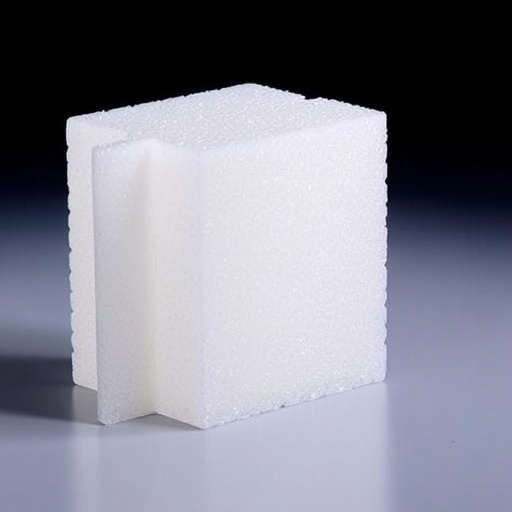
In an era marked by escalating environmental concerns, one compound is making waves in the quest for cleaner water: polydimethylsiloxane, commonly known as PDMS. Researchers have recently introduced a revolutionary polydimethylsiloxane composite sponge that demonstrates remarkable efficacy in removing organic contaminants from water sources. This development heralds a significant leap forward in water purification technology, providing a promising solution to one of society’s most pressing challenges—water pollution.
The versatility of this novel PDMS composite sponge is rooted in its unique properties that make it extremely effective in capturing various organic pollutants. These properties stem from the inherent characteristics of PDMS, which include excellent chemical stability, thermal resilience, and hydrophobicity. By manipulating these traits through innovative composite formulations, researchers have successfully created a sponge that can synergistically interact with a wide range of contaminants, ensuring robust performance across diverse water conditions.
In practical terms, the introduction of this PDMS sponge represents not merely a theoretical breakthrough but a pivotal step toward real-world applications. Water sources worldwide are under siege from a myriad of organic pollutants—including pesticides, pharmaceuticals, and industrial byproducts—which elude conventional treatment methods. The creativity and ingenuity behind employing a PDMS composite sponge present an alternative that could redefine how communities manage water quality.
The magic of the PDMS sponge lies in its structural composition. By combining PDMS with other materials, researchers have enhanced its absorption capacity, allowing it to selectively gather contaminants while remaining buoyant and easy to handle. This unique feature not only enhances its functionality but also makes it user-friendly for practical applications—whether in municipal water treatment facilities or in remote communities impacted by pollution and lacking access to advanced technology.
Moreover, the PDMS sponge’s reusability enhances its practicality and environmental sustainability. After the sponge has absorbed contaminants, it can be regenerated through simple washing, thus extending its life cycle and reducing waste. This aspect resonates with the global push toward sustainable practices, positioning the PDMS sponge as a green solution within the realm of environmental remediation.
The testing process for this innovative sponge involved rigorous experimental evaluations that aimed to assess its efficiency in real-world conditions. Researchers conducted a variety of tests to determine how well the sponge could perform in environments riddled with differing types of organic pollutants. Results indicated that the sponge could significantly reduce pollutant concentration levels in treated water, marking a substantial advancement over existing technologies.
One of the most crucial tests involved simulating conditions found in agricultural runoff, an area fraught with challenges due to persistent pesticide presence. The sponge demonstrated a remarkable ability to capture these agrochemicals effectively, offering a dual benefit of protecting both water resources and the surrounding ecosystems. This capability is a vital consideration, given the increasing global dependence on agricultural activities and their corresponding environmental footprint.
As we look toward the future, the PDMS sponge opens new avenues for research and development. Scholars and practitioners are now urged to explore not merely its mechanisms but also potential enhancements. Researchers envision possibilities for integrating nanotechnology or other emerging materials into the PDMS composite structure, which could yield even higher performance in contaminant removal and broaden the sponge’s application scope.
In the grander scheme, this innovation aligns with international efforts aimed at addressing water quality issues, such as the United Nations Sustainable Development Goal 6: Clean Water and Sanitation. As nations grapple with water scarcity and pollution, the development of such advanced technological solutions is not just desirable; it is imperative. The PDMS composite sponge stands as a beacon of hope, illustrating how innovation can tackle even the most daunting environmental challenges.
Additionally, fostering collaboration among scientists, policymakers, and industries will be essential in amplifying the adoption of this technology. Public awareness campaigns highlighting the significance of water quality management could stimulate demand for such innovative tools, while potential funding opportunities may accelerate the deployment of these sponges in areas most in need of assistance.
Furthermore, exploring the economic implications of implementing PDMS sponges within various sectors could yield valuable insights. For instance, water treatment facilities might benefit from reduced operational costs associated with chemical treatments, leading to more economical and efficient processing of potable water. This possibility not only enhances water quality but also strengthens community resilience against the adversities posed by water scarcity.
As the world continues to navigate the complexities of environmental challenges, the creation and deployment of the PDMS composite sponge are emblematic of humanity’s ingenuity and determination. While the research is still in its early stages, the future brims with potential, offering hope and inspiration to those committed to restoring our precious water resources.
In conclusion, the advent of the PDMS composite sponge represents a monumental stride toward combating water pollution. Through innovative research and development, scientists are equipping society with the tools necessary for achieving cleaner water. This groundbreaking work serves as a reminder that advancements in material science can significantly impact environmental sustainability, ushering in a new era of water purification that is both effective and environmentally conscious.
By embracing and supporting such innovations, we can look forward to a future where clean water is not just an aspiration but an achievable reality for all.
Cite Scienmag News
Violet Maxwell. (November 24, 2025). PDMS Sponge: Efficient Solution for Water Contamination. Scienmag. https://scienmag.com/pdms-sponge-efficient-solution-for-water-contamination/
Violet Maxwell. "PDMS Sponge: Efficient Solution for Water Contamination." Scienmag, 24 November 2025, https://scienmag.com/pdms-sponge-efficient-solution-for-water-contamination/. Accessed 4 September 2026.
Violet Maxwell. "PDMS Sponge: Efficient Solution for Water Contamination." Scienmag. November 24, 2025. https://scienmag.com/pdms-sponge-efficient-solution-for-water-contamination/


