

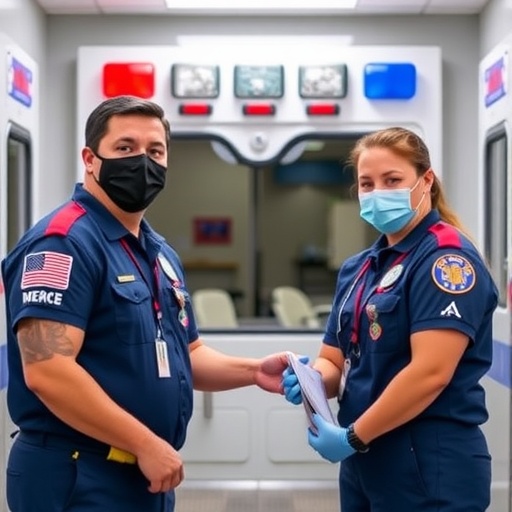
In an evolving healthcare landscape, the role of paramedics is becoming increasingly critical, not only in emergency response but also in education and mentorship. A recent cross-sectional study conducted by Van Noordenburg, Jacob, and Devenish sought to explore the perspectives of paramedics on the essential skills, knowledge, and attributes that are vital for effective preceptorship. Their findings offer significant insights into the education and training of future paramedics, providing a framework that could enhance the quality of mentorship within the profession.
Preceptorship in paramedic training represents a pivotal phase where experienced paramedics impart their knowledge and skills to trainees. This relationship is fundamental to developing a competent workforce capable of responding effectively to the myriad challenges faced in emergency medical services (EMS). In this study, the authors delved into the various dimensions that paramedics believe are crucial for successful mentorship. The insights gathered from this research are not only timely but also necessary in refining preceptorship programs across the board.
The methodology employed in this study was thorough, employing a cross-sectional design that gathered data from a wide spectrum of paramedics. By utilizing surveys and interviews, the researchers were able to capture a rich tapestry of views, highlighting the diverse experiences and expectations of paramedics regarding the mentorship process. The analysis revealed a range of skills deemed essential for effective preceptorship, such as communication, emotional intelligence, and clinical expertise. These findings resonate with existing literature on mentorship, reinforcing the notion that effective communication channels are vital in any educational setting.
One of the striking outcomes of the study was the emphasis placed on emotional intelligence. The paramedics surveyed consistently pointed out that the ability to understand and manage emotions—both their own and their trainees’—was crucial in building a supportive learning environment. This aspect of mentorship fosters trust and rapport, enabling trainees to feel safe in voicing their concerns, asking questions, and seeking guidance. It is increasingly recognized that emotional intelligence is not merely an ancillary skill but a central tenet of effective preceptorship that directly impacts learning outcomes.
The paramedics also highlighted the significance of adaptability in their role as mentors. In a profession where unpredictability is a norm, the ability to adjust teaching methods and approaches to suit individual trainee needs is critical. This adaptability not only aids in engaging the trainee but also supports the mentor in navigating the varied learning styles that exist within a group. The implication is clear: training programs for preceptors must include a focus on developing these adaptive skills to ensure effective teaching practices are employed.
Furthermore, the study underscored the importance of practical experience in honing the preceptorship skills among paramedics. While theoretical knowledge forms the backbone of professional training, it is the application of this knowledge in real-world scenarios that shapes effective preceptors. Therefore, ongoing professional development opportunities that emphasize practical teaching strategies and real-time mentorship are essential for paramedics. This can bridge the gap between classroom learning and practical application, enhancing the overall quality of preceptorship.
In light of the findings, there is a noticeable urgency for educational institutions and health organizations to reevaluate existing training frameworks for paramedics. The research reveals that while knowledge and skills are fundamental, the interpersonal attributes of mentors cannot be overlooked. Training programs should not only focus on developing clinical competence but should also place significant emphasis on enhancing mentors’ emotional and interpersonal skills.
Interestingly, the study identified a range of challenges faced by paramedics in their mentorship roles, pointing to the need for systemic support structures. Many respondents expressed feelings of being unprepared for the mentorship role they were tasked with, often stemming from a lack of formal training in mentorship methodologies. This revelation calls for universities and training institutions to integrate mentorship training into curricula, providing paramedics with the tools they need to thrive as educators.
A notable aspect of the study was the call for increasing collaboration between educational institutions and EMS organizations. By fostering partnerships, both sides can benefit from shared insights and resources, ultimately leading to improved training protocols that align with current industry needs. This synergy could pave the way for a more cohesive training experience, where prospective paramedics receive consistent messaging and skill sets tailored to the realities of the field.
In conclusion, the research conducted by Van Noordenburg, Jacob, and Devenish opens the door to critical discussions about the future of paramedic education. By highlighting the skills, knowledge, and attributes vital for effective preceptorship, the study provides a blueprint for enhancing the quality and effectiveness of mentorship in the paramedic field. As the profession continues to evolve, the importance of nurturing capable and confident mentors cannot be overstated, as they play a crucial role in shaping the next generation of healthcare professionals.
The implications of this study carry weight beyond just paramedic training; they extend to the broader medical education field. The findings could serve as a valuable insight for various healthcare disciplines seeking to improve their mentorship frameworks. By prioritizing a combination of technical knowledge and interpersonal skills, future generations of healthcare practitioners can be better equipped to face the challenges that lie ahead in their careers.
As we analyze the findings from this research, it is clear that preceptorship is not a simple add-on to paramedic education; it is a fundamental component that necessitates careful consideration and investment. The study advocates for a reimagining of how mentorship is approached within the profession, making a compelling case for a holistic view of paramedic training that encompasses both hard and soft skills.
In the face of an ever-evolving healthcare system, it is imperative that paramedics adapt not just in their clinical skills but also in how they guide and nurture future professionals. As highlighted by the authors, effective mentorship is multifaceted and cannot be relegated to the sidelines of paramedic education. Instead, it must be at the forefront, shaping the way paramedics train and interact with each other, ultimately benefiting the entire healthcare ecosystem.
The perspectives shared in this study illuminate a pathway towards fostering a culture of learning and support within the paramedic profession, one that recognizes the vital role of preceptors in shaping competent and confident professionals.
Subject of Research: Paramedics’ views on the skills, knowledge and attributes required for effective preceptorship
Article Title: Paramedics’ views on the skills, knowledge and attributes required for effective preceptorship: a cross-sectional study
Article References:
Van Noordenburg, A., Jacob, E. & Devenish, S. Paramedics’ views on the skills, knowledge and attributes required for effective preceptorship: a cross-sectional study.
BMC Med Educ (2026). https://doi.org/10.1186/s12909-026-08682-1
Image Credits: AI Generated
DOI: 10.1186/s12909-026-08682-1
Keywords: paramedics, preceptorship, mentorship, skills, education, emotional intelligence, adaptability.


