


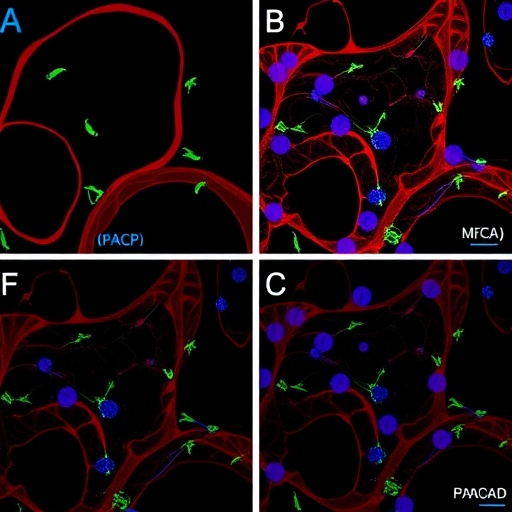
In a groundbreaking study published in Reproductive Sciences, researchers have unveiled promising insights regarding the therapeutic potential of Pituitary Adenylate Cyclase-Activating Polypeptide (PACAP) in the context of acute epididymitis. This inflammatory condition, often induced by bacterial infections such as those caused by lipopolysaccharide (LPS), can severely impede male reproductive health, impacting both the epididymis and sperm function. The innovative research conducted by Xueying et al. highlights how PACAP administration may mitigate these adverse effects, potentially altering treatment approaches for reproductive health disorders.
In male mammals, the epididymis plays a crucial role in sperm maturation and storage. It is an elongated tube located at the back of each testis, essential for the proper function of spermatozoa. Understanding how various factors influence this organ is critical for addressing male infertility and other reproductive health issues. The newly published study sheds light on the mechanisms through which PACAP operates, providing a deeper understanding of its anti-inflammatory and protective effects on the reproductive system.
The research utilized a mouse model to induce acute epididymitis via an intraperitoneal injection of LPS, which mimics bacterial infections. Following this induction, the study investigated the potential of PACAP in alleviating the resultant reproductive dysfunction. The researchers observed significant reductions in epididymitis severity among the PACAP-treated mice, showcasing the peptide’s ability to counteract the inflammation typically associated with the condition.
One of the crucial findings of the study was how PACAP administration led to enhanced sperm quality. The impaired sperm function typical of LPS-induced epididymitis was notably improved. The treated male mice exhibited higher sperm motility and a greater percentage of normal sperm morphology compared to their untreated counterparts. These improvements suggest that PACAP may play a vital role in preserving sperm function during inflammatory episodes.
The underlying biological pathways affected by PACAP were meticulously examined in the study. Researchers identified that PACAP exerts its effects through specific receptor interactions, leading to a cascade of intracellular events that ultimately reduce inflammation and oxidative stress in the epididymis. This mechanism represents a significant advancement in understanding how neuropeptides like PACAP can influence reproductive health.
Additionally, the study emphasized the importance of inflammation in the etiology of male reproductive disorders. Chronic inflammation in the epididymis can lead to scarring and long-term damage, complicating fertility issues. Therefore, therapies that can reduce inflammation in this organ are particularly valuable. The findings from this research present PACAP as a potential candidate for future treatments aimed at restoring epididymal health and function.
The experimental design employed in this study was robust, involving comprehensive histological analyses to assess damage within the epididymal tissue. It also included biochemical assays to evaluate oxidative stress markers and inflammatory cytokines. This multifaceted approach underlines the thoroughness of the research and its potential utility in clinical applications.
Furthermore, the implications of this research extend beyond immediate applications in treating epididymitis. By elucidating the role of PACAP in male reproductive biology, the findings may spur further investigations into the peptide’s potential benefits for other reproductive health conditions. This could include exploring PACAP’s therapeutic potential in cases of infertility attributable to biochemical or physiological dysfunction.
The findings are particularly timely, given the rising rates of male infertility globally, often linked to environmental factors and lifestyle choices. As traditional treatments and interventions for infertility can be invasive and not always effective, the search for more accessible and less intrusive solutions is paramount. The introduction of PACAP as a therapeutic agent could represent a significant shift in how clinicians approach male reproductive health issues.
Moreover, the study’s conclusions highlight a crucial intersection between neuroendocrinology and reproductive health. As more research elucidates the connections between the nervous system and reproductive function, therapies that tap into these relationships, such as those using PACAP, are likely to gain traction. This could lead to the development of new, less invasive strategies to address male reproductive health challenges.
In conclusion, the seminal work by Xueying et al. not only advances our understanding of PACAP’s role in alleviating epididymitis but also opens new avenues for exploring the brain-reproductive system link. The researchers encourage future studies to further investigate PACAP’s mechanisms and broader applications in reproductive medicine. As the scientific community focuses on translating these findings into clinical practice, the hope is that PACAP could soon become a cornerstone of therapies aimed at improving male fertility and overall reproductive health.
Overall, this research contributes significantly to the evolving narrative of how we understand and treat male reproductive health issues, marking a step forward in reproductive sciences that could resonate in clinical settings for years to come.
Xueying, Z., Yanan, L., Benjiao, G. et al. Pituitary Adenylate Cyclase-Activating Polypeptide (PACAP) Alleviates the Defective Epididymis and Sperm Function in Lipopolysaccharide (LPS) Induced Acute Mouse Epididymitis. Reprod. Sci. (2025). https://doi.org/10.1007/s43032-025-01931-6
Cite Scienmag News
Ophelia Keating. (August 29, 2025). PACAP Improves Sperm Function in LPS-Induced Epididymitis. Scienmag. https://scienmag.com/pacap-improves-sperm-function-in-lps-induced-epididymitis/
Ophelia Keating. "PACAP Improves Sperm Function in LPS-Induced Epididymitis." Scienmag, 29 August 2025, https://scienmag.com/pacap-improves-sperm-function-in-lps-induced-epididymitis/. Accessed 4 September 2026.
Ophelia Keating. "PACAP Improves Sperm Function in LPS-Induced Epididymitis." Scienmag. August 29, 2025. https://scienmag.com/pacap-improves-sperm-function-in-lps-induced-epididymitis/


