

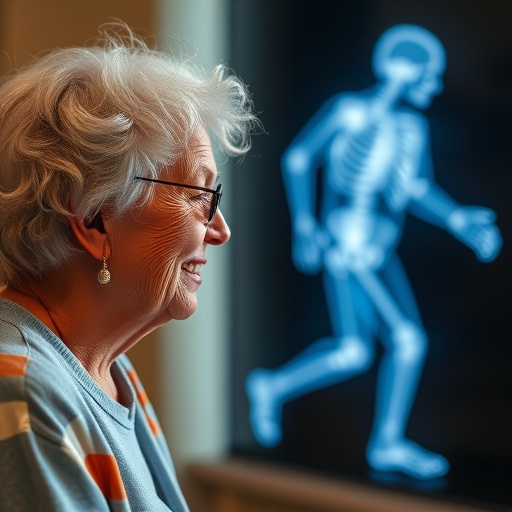
Osteoporosis is a significant health concern that predominantly affects the older population, often leading to devastating consequences such as fractures, falls, and a decline in overall quality of life. As the global population ages, understanding and addressing the complexities of osteoporosis management has become more crucial than ever. One innovative study, conducted by Saedon and Lok at the University of Malaya Medical Center (UMMC) Falls Clinic, sheds light on the intricate relationship between osteoporosis management and fall-related complications among older adults. Their findings offer critical insights into how healthcare providers can improve patient outcomes in this vulnerable demographic.
The retrospective study conducted by Saedon and Lok analyzed a diverse cohort of older adults diagnosed with osteoporosis. By examining patient records from the UMMC Falls Clinic, the researchers assessed the various management strategies employed and the subsequent impact these strategies had on fall-related complications. Various interventions, including pharmacological treatments, lifestyle modifications, and fall prevention protocols, were reviewed to ascertain their effectiveness in minimizing the risk of falls and fractures.
Throughout the research, Saedon and Lok discovered that a multifaceted approach to osteoporosis management significantly reduced the incidence of falls among older adults. The study highlighted the importance of not only relying on medication to strengthen bones but also implementing comprehensive fall prevention strategies. These strategies included educating patients about exercise regimens designed to enhance balance and strength, along with home safety assessments to eliminate environmental hazards.
In analyzing the data, the researchers noted a marked difference in outcomes for patients who received integrated care versus those who followed a more traditional, less individualized treatment model. The former group benefited from continuous monitoring and tailored interventions, which not only improved adherence to prescribed treatments but also fostered a sense of empowerment among patients when it came to managing their health proactively.
The findings also brought to light the psychological implications of osteoporosis management. Many patients exhibited feelings of fear and anxiety stemming from their osteoporosis diagnosis, which compounded the risk of falls due to reduced activity levels. Saedon and Lok emphasized the need for mental health support within osteoporosis treatment plans, as addressing psychological factors such as fear of falling could further enhance adherence to preventive strategies and improve overall health outcomes.
Another significant aspect raised in the study was the role of healthcare providers in facilitating effective communication with patients. The researchers identified gaps in patient understanding regarding osteoporosis and its management, stressing the importance of clear, empathetic communication. By fostering a supportive patient-provider relationship, healthcare professionals can inspire greater confidence in patients, encouraging them to engage actively in their treatment plans and lifestyle modifications.
While the study underscored the effectiveness of varied management strategies, it also revealed considerable disparities in access to osteoporosis treatment across different populations. Saedon and Lok called for policies that increase accessibility to osteoporosis screenings and interventions, especially in under-resourced communities where the prevalence of osteoporosis and related complications may be disproportionately high.
As the implications of this research unfold, it is crucial to recognize that the journey toward addressing osteoporosis is multi-dimensional. Saedon and Lok’s study serves as a call to action for healthcare systems worldwide to adopt holistic management frameworks that encompass not only physical health, but also mental well-being and patient education. These elements are integral to a comprehensive approach that ensures older adults can lead independent and fulfilling lives, despite the challenges posed by osteoporosis.
Moreover, the significance of interdisciplinary collaboration in managing osteoporosis cannot be overstated. The involvement of various healthcare professionals, including physicians, physiotherapists, dieticians, and mental health experts, can create a supportive ecosystem that holistically addresses the various facets of osteoporosis management. Such collaboration can lead to tailored interventions that are responsive to individual patient needs, ultimately reducing the prevalence of fall-related complications.
In light of these observations, future research should focus on longitudinal studies that track the long-term outcomes of comprehensive osteoporosis management strategies. By evaluating the sustained impact of these interventions over time, researchers can provide conclusive evidence to advocate for policy changes, increased funding, and resource allocation that prioritize older adults’ health.
Saedon and Lok’s retrospective study marks a pivotal moment in osteoporosis research by combining clinical insights with practical recommendations for healthcare professionals. Their work not only reinforces the need for a paradigm shift in how osteoporosis is perceived and managed but also emphasizes the importance of viewing older adults as active participants in their healthcare journeys. As the field continues to evolve, prioritizing patient-centered approaches will undoubtedly shape better outcomes for individuals living with osteoporosis.
To conclude, this remarkable study lays the groundwork for ongoing conversations and innovations in osteoporosis care that reflect the complexities of managing bone health among older adults. By focusing on multifaceted treatment approaches that encompass physical, emotional, and social aspects of health, Saedon and Lok offer hope for improving the quality of life of countless individuals at risk of fall-related complications.
Subject of Research: Osteoporosis management and fall-related complications in older adults.
Article Title: Osteoporosis management and fall-related complications in older adults: a retrospective study from the UMMC falls clinic.
Article References:
Saedon, N.I., Lok, J.Q. Osteoporosis management and fall-related complications in older adults: a retrospective study from the UMMC falls clinic. BMC Geriatr (2025). https://doi.org/10.1186/s12877-025-06746-3
Image Credits: AI Generated
DOI: 10.1186/s12877-025-06746-3
Keywords: osteoporosis, older adults, fall-related complications, management, healthcare, patient outcomes, interdisciplinary collaboration.


