

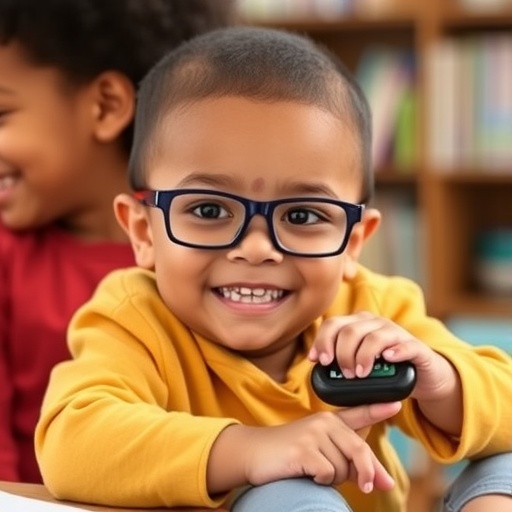
In a groundbreaking study set to be published in BMC Medical Education, researchers L. Aburayyan and C. Ozturk shine a light on a crucial aspect of managing type 1 diabetes mellitus in children. Their work delves into the influential role of Orem’s Self-Care Model, focusing on how this theoretical framework can enhance self-efficacy, self-management skills, quality of life, and even reduce HbA1c levels among pediatric patients in Palestine. This innovative approach not only addresses the pressing health concerns surrounding diabetes management but also emphasizes the importance of education and empowerment for patients.
At the heart of this research is Orem’s Self-Care Model, a comprehensive framework focused on the individual’s ability to perform self-care activities. The model is particularly relevant for chronic conditions such as type 1 diabetes, where daily management is essential for effective health outcomes. Children diagnosed with this autoimmune disorder require regular monitoring of their blood glucose levels, adherence to insulin therapy, and lifestyle modifications. By employing Orem’s model, the researchers aim to equip young patients with the necessary tools to take charge of their health, significantly impacting their long-term survival and quality of life.
Self-efficacy, a key component of Orem’s model, refers to an individual’s belief in their ability to execute behaviors necessary to produce specific performance attainments. In the context of children with type 1 diabetes, enhancing self-efficacy can lead to improved adherence to treatment plans and better management of blood glucose levels. Aburayyan and Ozturk’s study employs various teaching methods, including workshops and individualized counseling, to boost children’s confidence in managing their condition effectively. The authors highlight that instilling self-efficacy is not just beneficial, but essential for developing responsible and informed young patients.
Furthermore, self-management is a critical element of the study. The researchers evaluated how structured self-management education affects the daily lives of children with diabetes. By teaching essential skills such as carbohydrate counting, recognizing hypoglycemia, and understanding when to administer insulin, the program aims to foster an environment where children feel capable of managing their condition independently. The implications of effective self-management extend beyond immediate health outcomes; they encompass the psychological well-being of the child, decreasing anxiety and enhancing the quality of life.
Quality of life is another significant measure investigated in this research. Managing a chronic condition like type 1 diabetes can pose daily challenges that impact a child’s physical, emotional, and social well-being. The study assesses quality of life through validated questionnaires, providing insight into how effective self-care practices can alleviate some of these burdens. By focusing on holistic care, which includes mental and emotional support, the researchers strive to create a model that prioritizes the overall well-being of pediatric patients, not just their physical health.
One of the pivotal aspects of the study pertains to the relationship between self-management practices and HbA1c levels, an essential marker in diabetes care. A lower HbA1c level is indicative of better blood glucose control, which substantially reduces the risk of long-term complications associated with diabetes, such as neuropathy, retinopathy, and cardiovascular diseases. Preliminary findings from the research suggest that children who are well-versed in self-care techniques can achieve marked improvements in their HbA1c levels, illustrating the potent effects of education and empowerment in managing chronic illness.
The researchers adopted a mixed-methods approach, integrating both qualitative and quantitative research methodologies to enrich the findings and provide a more comprehensive understanding of the effect of Orem’s Self-Care Model. Through this dual lens, the study not only quantifies health outcomes but also captures personal experiences, shedding light on the children’s perceptions of their condition and the self-care interventions. This rich qualitative data is crucial for refining educational programs and tailoring interventions to meet the specific needs of young patients.
These findings carry significant implications for health professionals working within pediatric diabetes care. The results advocate for the incorporation of self-care education into routine diabetes management programs. Given the increasing prevalence of type 1 diabetes among children globally, enhancing existing healthcare models to incorporate self-management education can lead to improved outcomes and potentially reduce healthcare costs associated with diabetes complications.
Additionally, it is vital to consider the socio-cultural context in which these children live. The study was conducted in Palestine, presenting unique challenges and resource limitations that must be accounted for when implementing self-care education strategies. The culturally responsive approach of the researchers underscores the importance of understanding how environmental factors influence self-management and quality of life in pediatric populations. It emphasizes the necessity for healthcare providers to adapt interventions to align with the cultural values and beliefs of the families they serve.
As the study progresses towards publication, it is expected to resonate widely with healthcare practitioners, educators, and policy-makers alike. The potential to shape pediatric diabetes care through enhanced self-management strategies has the power to revolutionize health outcomes for children globally. With an emphasis on patient empowerment, the work of Aburayyan and Ozturk serves as a crucial reminder of the importance of equipping the next generation to take control of their health destiny.
In summary, this pioneering research highlights the transformative effect of Orem’s Self-Care Model on children with type 1 diabetes. By focusing on self-efficacy, self-management, quality of life, andHbA1c levels, Aburayyan and Ozturk pave the way for a future where young patients are knowledgeable, empowered, and equipped to lead healthier lives. Their work stands as a testament to the critical interplay between education, self-management, and diabetes care, ultimately advocating for a holistic approach to treating chronic illness in pediatric populations.
With the publication of this research in BMC Medical Education, the hope is that the insights gleaned will inspire further studies and interventions, contributing to a growing body of knowledge devoted to improving the lives of children living with diabetes. The collaboration between researchers, healthcare providers, and families is essential to creating an environment where children with type 1 diabetes can thrive, thereby influencing the trajectory of diabetes management practices worldwide.
Subject of Research: The impact of Orem’s Self-Care Model on self-efficacy, self-management, quality of life, and HbA1c levels in children with type 1 diabetes.
Article Title: Effect of Orem’s Self-Care Model on self-efficacy, self-management, quality of life, and HbA1c among children with type 1 diabetes mellitus in Palestine.
Article References:
Aburayyan, L., Ozturk, C. Effect of Orem’s Self-Care Model on self-efficacy, self-management, quality of life, and HbA1c among children with type 1 diabetes mellitus in Palestine.
BMC Med Educ (2026). https://doi.org/10.1186/s12909-025-08520-w
Image Credits: AI Generated
DOI:
Keywords: Type 1 Diabetes, Self-Care Model, Self-Efficacy, Self-Management, Quality of Life, HbA1c, Pediatric Health, Health Empowerment.


