


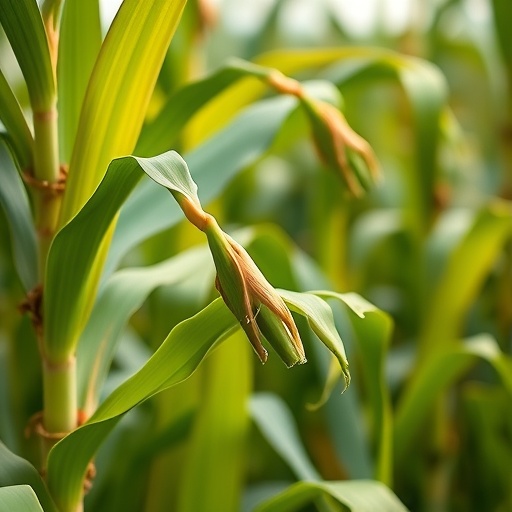
In the quest for sustainable energy solutions, the production of biofuels from renewable resources has gained significant traction, particularly in the wake of increasing concerns surrounding climate change and fossil fuel dependency. A cutting-edge study published in 2025 delves into the innovative realm of bioethanol production, specifically leveraging the carbohydrate-rich residues of sugarcane bagasse through sophisticated statistical machine learning models. This research, conducted by a robust team of scientists including Parveen, Saxena, and Hussain, represents a forward-thinking approach that harnesses computational power to optimize the conversion of biomass into bioethanol.
Carbohydrate-based bioethanol production represents a promising avenue for creating sustainable fuels. The significance of using sugarcane bagasse, an abundant byproduct from sugar production, cannot be overstated. Traditional methods of bioethanol production can often be inefficient and environmentally detrimental. However, this study introduces a novel framework that not only enhances the output of bioethanol but also minimizes waste and maximizes resource efficiency. By applying machine learning techniques, researchers can analyze vast datasets, identify patterns, and develop predictive models that inform better production practices.
Statistical machine learning models have revolutionized several fields, and now they are making significant inroads into biofuels research. The meticulous application of these models allows researchers to discern complex patterns in the data that would likely elude traditional analytical methods. In the context of this study, the team implemented various algorithms to explore the variables affecting bioethanol yield from sugarcane bagasse. These algorithms enable them to draw actionable insights from experimental data, thereby significantly improving the optimization processes involved in bioethanol production.
One of the most striking aspects of the research is its emphasis on optimization. By efficiently tweaking variables such as temperature, pressure, and the chemical composition of the bagasse feedstock, the researchers were able to achieve enhanced bioethanol yields. This optimization process is critical in making biofuels competitively viable against more conventional energy sources. The researchers’ approach serves as a template for future investigations aimed at refining biofuel processes through the lens of machine learning.
Moreover, the study’s experimental validation further substantiates the effectiveness of the proposed models. By conducting rigorous tests under various conditions, the researchers gathered empirical evidence that supports the viability of their machine learning frameworks. This blend of theoretical modeling and experimental verification provides a robust foundation upon which the scientific community can build. It also contributes to a growing repository of knowledge that empowers future advancements in bioethanol production technologies.
In this rapidly evolving field, the economic implications of optimizing bioethanol production are vast. With the global push for renewable energy solutions, improved bioethanol yields can potentially lower costs and enhance the economic feasibility of biofuels. This is particularly relevant in regions heavily dependent on sugarcane cultivation, where transitioning waste into energy not only provides an additional revenue stream for farmers but also mitigates the environmental impact of agricultural waste.
The research does not merely stop at increasing bioethanol yield; it also explores the broader environmental benefits of this optimization process. By converting waste materials like sugarcane bagasse into biofuels, the study makes considerable strides towards a circular economy. This approach reduces greenhouse gas emissions and lessens the reliance on fossil fuels, ultimately supporting global sustainability goals. In essence, the implications of such research extend well beyond academic curiosity; they touch on pressing real-world issues of energy security and climate change.
As the study gains attention, it sheds light on the transformative potential of integrating machine learning with traditional biofuel production methods. The utilization of sophisticated algorithms to process complex datasets exemplifies how technology can optimize processes that have been historically treated with a more linear approach. This not only enhances efficiency but also encourages a culture of innovation within the renewable energy sector.
Collaboration among researchers from diverse disciplines is also highlighted in this body of work. The convergence of computational science with biochemical engineering in the study showcases how interdisciplinary approaches can lead to breakthroughs that single-discipline research may overlook. This collaborative spirit is crucial as the world navigates the multifaceted challenges posed by the climate crisis, urging a shared commitment to sustainable solutions.
Furthermore, the study serves as an inspiration for aspiring scientists and researchers interested in biofuels and renewable energy solutions. By illustrating the potential of combining machine learning techniques with traditional production methodologies, it paves the way for a new generation of innovative research. Such initiatives can catalyze breakthroughs that not only improve efficiency but also drive down costs, making biofuels a more realistic alternative to fossil fuels.
As the world accounts for the ongoing climate crisis and energy demands, research such as this is vital. The exploration of sugarcane bagasse as a bioethanol feedstock illustrates the promise of agricultural byproducts in sustainable energy production. The integration of statistical machine learning models into this process only cements its standing as a promising direction for future endeavors.
In conclusion, the study represents a confluence of technology and biology that is timely and necessary in the context of contemporary environmental challenges. With machine learning models increasingly becoming a staple in research methodologies, the findings of this research not only have immediate implications for bioethanol production but also lay the groundwork for future innovations. Thus, as the global community pushes towards greener solutions, this research stands poised to be a significant contributor to the ongoing biofuel revolution.
Parveen, F., Saxena, A., Hussain, A. et al. Statistical Machine Learning Models for Carbohydrate-Based Bioethanol Production from Sugarcane Bagasse: Optimization and Experimental Validation.
Waste Biomass Valor (2025). https://doi.org/10.1007/s12649-025-03341-w
Cite Scienmag News
Teresa Odom. (October 21, 2025). Optimizing Machine Learning for Bioethanol from Sugarcane. Scienmag. https://scienmag.com/optimizing-machine-learning-for-bioethanol-from-sugarcane/
Teresa Odom. "Optimizing Machine Learning for Bioethanol from Sugarcane." Scienmag, 21 October 2025, https://scienmag.com/optimizing-machine-learning-for-bioethanol-from-sugarcane/. Accessed 5 September 2026.
Teresa Odom. "Optimizing Machine Learning for Bioethanol from Sugarcane." Scienmag. October 21, 2025. https://scienmag.com/optimizing-machine-learning-for-bioethanol-from-sugarcane/


