

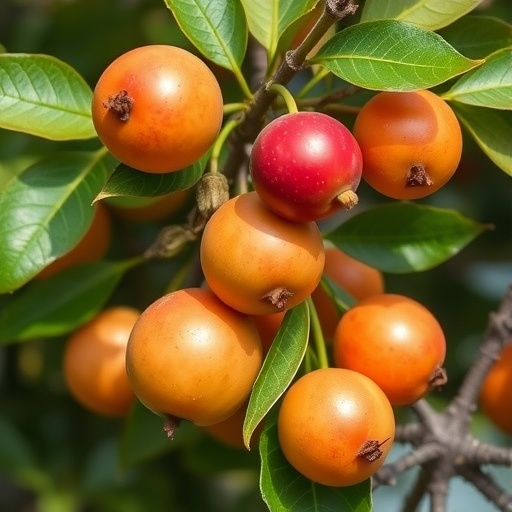
Title: Exploring the Nutritional Dynamics of Ziziphus spina-Christi in Ethiopian Agroforestry Landscapes
In recent years, a growing interest in the nutritional properties of indigenous fruits has sparked research efforts worldwide. One intriguing fruit gaining attention is Ziziphus spina-Christi, commonly known as Christ’s Thorn Jujube. This unique fruit is not only a staple in various cultures but also has the potential to contribute significantly to nutritional security, especially in regions where its cultivation is widespread. A recent study has drawn attention to the nutritional and anti-nutritional composition of Ziziphus spina-Christi fruits, particularly in the context of different agroforestry landscapes in Ethiopia.
Ethiopia’s diverse agroforestry systems provide a unique opportunity to study the nutritional properties of native plants. The interplay between different agricultural practices and ecological systems results in variations in the nutritional composition of cultivated foods. This research delves into the various nutritional components found in Ziziphus spina-Christi fruits, unveiling a trove of vitamins, minerals, and phytochemicals that enhance their dietary significance. As a multipurpose tree species, Ziziphus spina-Christi is utilized for food, fodder, and medicinal purposes, highlighting its versatile roles across communities.
Ziziphus spina-Christi fruits boast a rich nutrient profile, with significant levels of vitamins such as Vitamin C and several B-vitamins, as well as essential minerals like potassium, calcium, and magnesium. These nutrients are vital for maintaining good health, playing crucial roles in various bodily functions. The study emphasizes the importance of these components in combatting vitamin deficiencies, particularly in rural areas where access to diverse diets may be limited. By integrating Ziziphus spina-Christi fruits into daily diets, communities can enhance their overall nutritional intake.
However, alongside their nutritional benefits, it is essential to consider the anti-nutritional factors present in these fruits. The research highlights certain compounds that may inhibit nutrient absorption or pose other health risks when consumed in excess. Understanding these anti-nutritional factors is crucial for promoting the safe consumption of Ziziphus fruits. The study provides a comprehensive analysis of both the beneficial and potentially harmful constituents, paving the way for informed dietary recommendations.
The findings reveal that the nutritional composition of Ziziphus spina-Christi is influenced significantly by the agroforestry landscapes in which they are grown. Variations in soil type, climate, and cultivation practices result in differences in nutrient availability, leading to fluctuating nutrient profiles among fruit samples. This emphasizes the significance of agroecological diversity and its impact on food quality, calling for a deeper exploration of local agricultural practices that can enhance fruit composition.
Let us take a closer look at the specific nutrients isolated from Ziziphus spina-Christi fruits. High levels of phenolic compounds and antioxidants have been identified, contributing to the fruit’s potential health benefits. Phenolics are known for their ability to combat oxidative stress, which plays a role in numerous chronic diseases. By incorporating these fruits into health-conscious diets, individuals may gain protection against conditions like heart disease and certain cancers.
The biochemical properties of Ziziphus spina-Christi extend beyond basic nutrition. The presence of phytochemicals in their composition opens doors to further research into their medicinal benefits. Various studies have suggested that components within this fruit could possess anti-inflammatory, antibacterial, and anti-diabetic effects. Such attributes underscore the potential of this fruit as a functional food, capable of offering both nourishment and health-promoting properties.
Moreover, the study examines traditional culinary practices associated with Ziziphus spina-Christi. In many rural communities, the fruits are prepared in a variety of ways, contributing not only to flavor diversity but also enhancing nutrient bioavailability. Fermentation, drying, and cooking can potentially modify the bioactive compounds, leading to improved health outcomes. By embracing traditional food preparation methods, communities can maximize the benefits derived from these fruits while preserving cultural practices.
Environmental sustainability is another thread entwined in this research, as the cultivation of Ziziphus spina-Christi plays a role in promoting ecological balance. These trees are resilient and can thrive in arid and semi-arid landscapes, making them suitable for degradation-prone areas. By integrating the cultivation of Ziziphus into agroforestry systems, farmers can enhance soil health while simultaneously reaping the benefits of their nutrient-rich fruits.
The implications of this research extend beyond the local context, highlighting the significance of Ziziphus spina-Christi on a global scale. As interest in indigenous crops grows, Ziziphus spina-Christi exemplifies how local biodiversity can contribute to global nutrition and food security efforts. The study advocates for increased awareness and promotion of this fruit, paving the way for its inclusion in broader nutritional programs aimed at reducing malnutrition.
Furthermore, collaboration among researchers, local farmers, and policymakers is essential for optimizing cultivation practices and ensuring that the nutritional benefits of Ziziphus spina-Christi are realized. Initiatives that empower local communities to cultivate and market their produce can enhance economic opportunities while promoting a healthier population. This study serves as a stepping stone, igniting further inquiry into the potential of local crops to address pressing nutritional challenges.
In conclusion, the comprehensive examination of Ziziphus spina-Christi’s nutritional and anti-nutritional composition sheds light on the untapped potential of this indigenous fruit. By understanding and promoting its health benefits, communities can take proactive steps toward improving their nutritional landscape. With a focus on sustainable practices and local agricultural knowledge, the journey of Ziziphus spina-Christi is just beginning, promising a flavorful and healthful future for generations to come.
Subject of Research: Nutritional and anti-nutritional composition of Ziziphus spina-Christi fruits grown in different agroforestry landscapes in Ethiopia.
Article Title: Nutritional and anti-nutritional composition of Ziziphus spina-Christi fruits grown in different agroforestry landscapes in Ethiopia.
Article References:
Alle, T.R. Nutritional and anti-nutritional composition of Ziziphus spina-Christi fruits grown in different agroforestry landscapes in Ethiopia. Discov. Plants 2, 374 (2025). https://doi.org/10.1007/s44372-025-00458-z
Image Credits: AI Generated
DOI: https://doi.org/10.1007/s44372-025-00458-z
Keywords: Ziziphus spina-Christi, nutrition, anti-nutritional factors, agroforestry, Ethiopia, functional foods, indigenous crops.


