


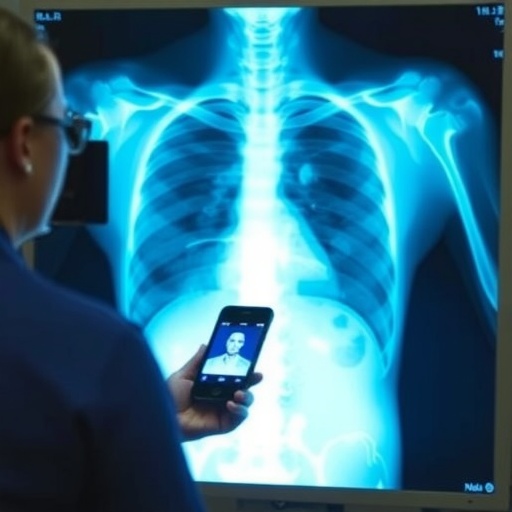
In an era where technological advancements are revolutionizing healthcare delivery, the realm of radiology is experiencing a profound transformation through the integration of mobile X-ray services within residential aged care facilities (RACFs). A recent qualitative study conducted by Makanjee, Senanayake, Ong, and colleagues sheds light on the perceptions of nurses regarding the effectiveness of these mobile X-ray services in enhancing patient care and improving operational efficiencies in RACFs. The study invites stakeholders in the healthcare sector to contemplate how these services could significantly impact patient outcomes while addressing logistical challenges inherent in conventional radiological practices.
Mobile X-ray services have emerged as a vital solution tailored to cater to the unique needs of residents in RACFs, many of whom face mobility issues and chronic health conditions that hinder their ability to access traditional imaging facilities. These services allow radiological examinations to take place within the confines of the care facility, offering convenience and comfort to patients who would otherwise endure the stress of transport. The qualitative study presented by Makanjee and his team dives deeply into this transformative approach, revealing insights from nursing professionals working directly with these services and the patients they serve.
One of the crucial findings of the study relates to the high value nurses place on mobile X-ray services as a tool for timely diagnoses. In an environment where rapid decision-making is paramount, having mobile imaging capabilities enables healthcare professionals to obtain critical information swiftly. The need for prompt care is particularly pressing in RACFs, where patients often present with complex comorbidities that require immediate medical attention. The study emphasizes how mobile X-ray services can bridge the gap between acute healthcare needs and the existing constraints within the residential aged care environment.
Moreover, the nurses’ perspectives highlighted that mobile X-ray services significantly reduce the time and resources required for transporting patients to traditional imaging centers. This not only minimizes the disruption to patients’ routines but also alleviates the logistical burden on nursing staff who must balance multiple priorities throughout their shifts. More efficiently utilizing personnel resources can lead to improved staff morale, as nurses are better equipped to prioritize direct patient care over administrative challenges associated with patient transport.
The qualitative analysis also indicated that mobile X-ray services contribute to improved clinical outcomes. By providing nurses and physicians with rapid access to diagnostic imaging, healthcare providers can initiate timely treatment interventions, which are crucial for optimizing patient care in RACFs. Residents often experience complex medical conditions; the ability to diagnose promptly through immediate imaging can be the difference between managing a chronic ailment effectively and facing serious complications.
Despite the overwhelming benefits, the study also identified some challenges associated with implementing mobile X-ray services in RACFs. One of the primary concerns raised by nurses was the need for comprehensive training and support to ensure that staff are proficient in operating mobile imaging equipment. Effective training programs can empower nurses and healthcare professionals, ultimately leading to enhanced confidence and reduced risk of technical errors that could impact patient safety.
Additionally, the study underscored the importance of clear communication among multidisciplinary teams when integrating mobile X-ray services. Nurses emphasized the need for collaborative practices, where clear lines of communication are established regarding patient imaging needs and results. By building cohesive relationships among nursing staff, radiologists, and other healthcare providers, teams can streamline workflows, ultimately ensuring that residents receive high-quality care without unnecessary delays.
Furthermore, the nurses expressed hopes that the implementation of mobile X-ray services could pave the way for future innovations within the realm of telemedicine and remote diagnostics. As healthcare continues to strive for more efficient models in response to the demands of an aging population, mobile solutions are poised to play a pivotal role in reshaping how patients receive care, particularly in underserved communities.
As the study by Makanjee et al. gained traction in academic circles, it sparked conversations about how healthcare systems can replicate the successes of mobile X-ray services in RACFs across different geographical settings. This research is significant as it sets a precedent for similar studies exploring novel approaches to healthcare delivery in various contexts, demonstrating the potential for mobile technologies to reshape patient experiences across diverse populations.
The ongoing exploration of advanced imaging techniques also raises intriguing questions about the future of radiology as a specialty. The insights garnered from the qualitative study can serve as a catalyst for further research initiatives aimed at evaluating the long-term impacts of mobile X-ray services on both patient satisfaction and clinical efficiency metrics over time. These inquiries are essential for validating the efficacy of mobile imaging in enhancing patient-centered care models.
In conclusion, Makanjee, Senanayake, Ong, et al. present a compelling case for the effectiveness of mobile X-ray services in RACFs, advocating for their integration into routine practice as a means to enhance patient care. With strong emphasis on the value of timely diagnostic services, reduced patient transport needs, and enhanced team collaboration, the study provides a firm foundation for future innovations aimed at meeting the evolving needs of aging populations.
As healthcare professionals grapple with the challenges posed by a rapidly aging demographic, the findings of this qualitative study are particularly timely. By showcasing the firsthand experiences of nurses who play a vital role in implementing these services, the research highlights the transformative potential of mobile X-ray technology. With a focus on improving patient outcomes, optimizing resource utilization, and fostering collaborative care, the future of imaging within RACFs promises to be as dynamic as it is impactful.
The study’s implications stretch beyond the confines of RACFs, urging healthcare stakeholders to consider how mobile imaging services can be adapted to various patient populations and settings. The promise of technological advancements in radiology is unmistakable, and with empirical evidence from studies like this, the vision for an innovative, patient-centered approach to healthcare continues to take shape.
Makanjee, C., Senanayake, H., Ong, J. et al. Nurses’ perspectives on the effectiveness of mobile X-ray services in RACFs. a qualitative study.
BMC Nurs (2026). https://doi.org/10.1186/s12912-025-04278-0
Cite Scienmag News
Ophelia Keating. (January 17, 2026). Nurses’ Views on Mobile X-ray Benefits in RACFs. Scienmag. https://scienmag.com/nurses-views-on-mobile-x-ray-benefits-in-racfs/
Ophelia Keating. "Nurses’ Views on Mobile X-ray Benefits in RACFs." Scienmag, 17 January 2026, https://scienmag.com/nurses-views-on-mobile-x-ray-benefits-in-racfs/. Accessed 3 September 2026.
Ophelia Keating. "Nurses’ Views on Mobile X-ray Benefits in RACFs." Scienmag. January 17, 2026. https://scienmag.com/nurses-views-on-mobile-x-ray-benefits-in-racfs/


