


For individuals facing the daunting challenges of early memory loss, the process of recalling and sharing personal life narratives serves not only as a therapeutic endeavor but as a vital conduit for emotional connection and cognitive stimulation. This approach, known in clinical circles as reminiscence therapy, leverages deeply personal memories to foster improved mood, cognitive function, and interpersonal bonds among those affected by conditions such as dementia.
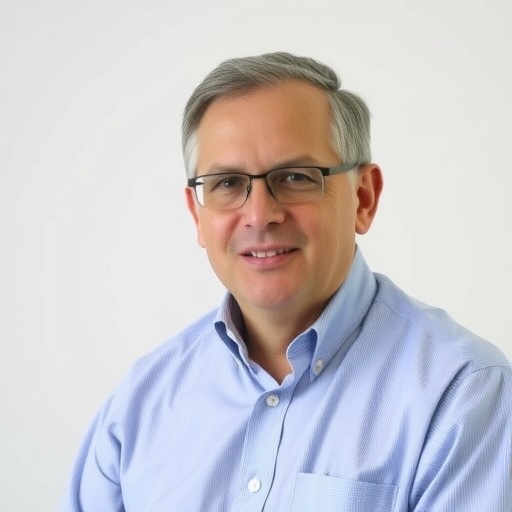
At the forefront of advancing this therapeutic approach is Dr. Kyeung Mi Oh, a nursing professor at George Mason University whose research focuses on enhancing accessibility to reminiscence therapy for culturally and linguistically diverse populations. Dr. Oh is playing a pivotal role as co-principal investigator on a transformative $2.9 million grant awarded by the National Institute on Aging. This funding supports the refinement and expansion of the LifeBio Memory app, a groundbreaking artificial intelligence platform specifically designed to assist older adults in capturing their life stories and facilitating meaningful sharing with caregivers.
LifeBio Memory is not merely a digital diary but an intelligent system that integrates AI technologies to create a seamless experience for users who might struggle with traditional memory recall techniques. Earlier iterations of the app have demonstrated significant success within institutional environments such as nursing homes and assisted-living facilities throughout the United States. These initial deployments reported heightened resident engagement and a reduction in depressive symptoms, showcasing the app’s potential therapeutic impact through digital storytelling.
The current phase of development spearheaded by Dr. Oh and her team seeks to transition LifeBio Memory from institutional settings into the community, targeting older adults residing at home alongside their caregivers. A key innovation in this phase involves broadening the app’s linguistic and cultural inclusivity to encompass English, Spanish, and Korean languages. This multilingual expansion aims to address the nuanced needs of diverse user bases, ensuring that cultural contexts are respected and authentically integrated into the storytelling process.
Operating at the intersection of nursing science and gerontology, Dr. Oh’s leadership in community-based research emphasizes the bi-directional benefits of storytelling technology. The act of sharing autobiographical memories not only revitalizes the cognitive faculties of older adults but also enhances emotional closeness and social support, which are critical buffers against the social isolation and loneliness commonly associated with cognitive decline.
Over the next three years, this rigorous research initiative will employ a multi-phase approach beginning with extensive usability testing. Following this, a randomized controlled trial involving 84 dyads of caregivers and care recipients will meticulously evaluate the outcomes of using LifeBio Memory within home environments. This trial seeks to generate empirical data on a range of psychosocial variables including loneliness, depression, relational quality, and overall quality of life, thereby offering a comprehensive assessment of the app’s impact.
Technological refinement is concurrently underway by LifeBio’s engineering team, who are enhancing the AI’s capacity to autonomously produce digital compilations of life stories. These include multimedia “memory videos” that combine images, voice recordings, and narrative text, crafting a rich, interactive reminiscence experience. Automated generation of these compilations exemplifies the cutting edge of AI applications in supportive health technology, enabling users to effortlessly document and preserve their memories.
Dr. Oh’s research scrutinizes how these technological enhancements translate into real-world psychosocial benefits for users. By adapting the LifeBio Memory app’s AI algorithms to be sensitive to cultural differences, the team aims to tailor the platform to accommodate diverse expressions of memory and identity. Such adaptability ensures that older adults can articulate their life stories authentically, embracing their unique cultural heritage rather than conforming to a monolithic framework.
The potential implications of this work extend beyond individual benefits, proposing a scalable and affordable technological solution for dementia care that is accessible in the comfort of users’ own homes. By harnessing AI-driven storytelling tools, families and caregivers might be empowered to engage more deeply with their loved ones, fostering environments rich in empathy, understanding, and cognitive support.
Moreover, as digitized reminiscence therapy proliferates, the integration of AI offers unprecedented opportunities to collect and analyze data on cognitive and emotional health trajectories. Insights gleaned from aggregated user interactions can inform personalized care strategies and contribute to the broader scientific understanding of memory-related disorders.
Ultimately, this initiative embodies a confluence of technological innovation, nursing science, and compassionate care, highlighting the transformative potential of AI to enrich the lives of those grappling with memory loss. If successful, the LifeBio Memory app could herald a new era of culturally attuned, technology-enabled dementia support that bridges generational and linguistic divides.
As the project unfolds, the research community and public alike will be watching closely. The LifeBio Memory app represents not only a beacon of hope for millions of families affected by dementia worldwide but also a testament to the power of technology to preserve human dignity and connection in the face of neurodegenerative disease.
News Publication Date:
Not provided
Web References:
- George Mason University Nursing Profile: https://publichealth.gmu.edu/profiles/koh5
- LifeBio Memory App: https://www.lifebio.org/
Cite Scienmag News
Cassandra Pierce. (October 28, 2025). NIH Grant Fuels George Mason Researcher’s Advances in AI Storytelling for Dementia Care. Scienmag. https://scienmag.com/nih-grant-fuels-george-mason-researchers-advances-in-ai-storytelling-for-dementia-care/
Cassandra Pierce. "NIH Grant Fuels George Mason Researcher’s Advances in AI Storytelling for Dementia Care." Scienmag, 28 October 2025, https://scienmag.com/nih-grant-fuels-george-mason-researchers-advances-in-ai-storytelling-for-dementia-care/. Accessed 3 September 2026.
Cassandra Pierce. "NIH Grant Fuels George Mason Researcher’s Advances in AI Storytelling for Dementia Care." Scienmag. October 28, 2025. https://scienmag.com/nih-grant-fuels-george-mason-researchers-advances-in-ai-storytelling-for-dementia-care/


