


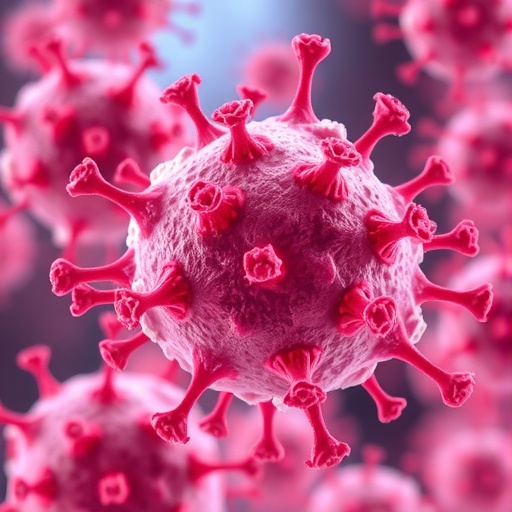
In recent years, the emergence of multidrug-resistant (MDR) infections has posed significant challenges to global public health, with pathogens like Pseudomonas aeruginosa at the forefront of this crisis. The alarming rise in antibiotic resistance has sparked urgent searches for novel therapeutic targets. A landmark study conducted by Narthanareeswaran et al. sheds light on this pressing issue, revealing intricate details through the lens of integrative genomics and structural bioinformatics. Their groundbreaking research uncovers crucial drug targets associated with antimicrobial resistance (AMR) and identifies potential inhibitors of the pqsH gene, a critical player in the survival and virulence of P. aeruginosa.
The researchers embarked on a comprehensive analysis of the P. aeruginosa strain JJPA01, an isolate known for its extraordinary resistance capabilities. They employed cutting-edge genomic techniques to dissect the genetic makeup of the strain, focusing on genes that contribute to its robust defense mechanisms against commonly used antibiotics. By constructing a detailed genomic landscape of the organism, the team successfully pinpointed numerous AMR-associated drug targets that present promising avenues for therapeutic intervention.
The use of bioinformatics tools allowed the researchers to predict the structural features of these drug targets with remarkable precision. They examined the three-dimensional structures of the proteins encoded by AMR-associated genes, emphasizing their potential as candidate molecules for drug discovery. This structural insight is vital, as it provides a foundation for designing small molecules that can effectively bind to these targets, thus inhibiting their function and restoring the efficacy of existing antibiotics.
Among the significant findings of the study is the focus on the pqsH gene, which is implicated in the production of quinolone-based signaling molecules within P. aeruginosa. These molecules, in turn, play a crucial role in biofilm formation and virulence. The identification of pqsH as a target for novel inhibitors is particularly noteworthy, given the gene’s central role in the pathogenesis of infections caused by this formidable pathogen.
Through computational modeling and high-throughput screening techniques, the researchers identified several candidates that exhibit inhibitory activity against pqsH. By validating these findings through a series of biochemical assays, the authors demonstrated that these newly identified inhibitors can significantly diminish the survival rate of P. aeruginosa, providing a strong rationale for their potential clinical application. The implications of these findings extend beyond mere academic interest; they represent a critical step toward developing new treatments that could outpace the rapid adaptation of P. aeruginosa to conventional antibiotics.
Moreover, the study highlights the importance of an integrative approach that combines genomic data with structural analysis. This methodology allows for a deeper understanding of the complex interactions between bacterial pathogens and their environments, facilitating the identification of vulnerabilities that can be exploited in drug design. The authors emphasize that an interdisciplinary strategy, incorporating genomics, proteomics, and computational biology, will be essential in the continuous battle against antimicrobial resistance.
As the fight against AMR intensifies, studies like this provide a glimmer of hope. They underscore the necessity for renewed investment in research and development, particularly in the realm of antibiotic discovery. The landscape of bacterial resistance is continuously evolving, necessitating innovative solutions that can adapt to these changes. The insights gained from this research represent a crucial addition to the collective knowledge required to tackle the challenges posed by MDR bacteria.
Looking ahead, the authors call for collaborative efforts among researchers, clinicians, and pharmaceutical companies to translate these findings from the lab to clinical settings. The importance of partnerships is paramount, as the urgency of addressing AMR cannot be overstated. By fostering collaboration, stakeholders can enhance the speed and efficacy of bringing new therapeutics to market, ultimately saving lives and protecting public health.
Furthermore, the research lays the groundwork for future studies aimed at understanding the mechanisms underlying drug resistance in P. aeruginosa. By exploring genetic variations and the role of environmental factors, researchers can gain insights that may lead to the identification of additional drug targets. This ongoing exploration is essential to stay ahead of resistant strains and to ensure the longevity of existing antibiotics.
The findings of Narthanareeswaran et al. also provoke critical discussions surrounding the regulatory frameworks governing antibiotic development. As the scientific community strives for innovation, it is crucial that regulatory bodies adapt to facilitate the accelerated development and approval of novel therapies. Streamlined processes can expedite bringing essential medications to patients who need them the most, providing timely solutions in the face of rising resistance.
In conclusion, the integrative study conducted by the team around Narthanareeswaran offers invaluable insights into the darkening scenario of antibiotic resistance, specifically regarding Pseudomonas aeruginosa. By unveiling AMR-associated drug targets and identifying pqsH inhibitors, the researchers open a new chapter in the quest for effective treatments against bacterial infections. Their work is not merely a scientific achievement but a clarion call for sustained efforts to safeguard public health from the looming threat of multidrug-resistant pathogens. As the battle against AMR continues, such pioneering research exemplifies the concerted efforts needed to combat one of the most pressing challenges of our time.
Narthanareeswaran, B., Hemavathy, N., Ranganathan, S. et al. Integrative genomics and structural bioinformatics uncovers AMR-associated drug targets and pqsH inhibitors in multidrug-resistant Pseudomonas aeruginosa JJPA01.
Mol Divers (2025). https://doi.org/10.1007/s11030-025-11365-6
Cite Scienmag News
Juliet Wilcox. (September 25, 2025). New Targets and Inhibitors for Drug-Resistant Pseudomonas. Scienmag. https://scienmag.com/new-targets-and-inhibitors-for-drug-resistant-pseudomonas/
Juliet Wilcox. "New Targets and Inhibitors for Drug-Resistant Pseudomonas." Scienmag, 25 September 2025, https://scienmag.com/new-targets-and-inhibitors-for-drug-resistant-pseudomonas/. Accessed 5 September 2026.
Juliet Wilcox. "New Targets and Inhibitors for Drug-Resistant Pseudomonas." Scienmag. September 25, 2025. https://scienmag.com/new-targets-and-inhibitors-for-drug-resistant-pseudomonas/


