


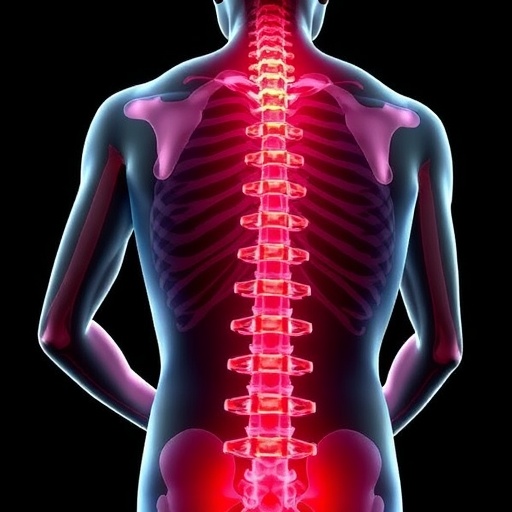
A groundbreaking study conducted by researchers at Mass General Brigham provides compelling evidence that individuals suffering from traumatic spinal cord injuries (TSCI) face a significantly heightened risk of developing various chronic health conditions over the long term. Published in the esteemed journal JAMA Network Open, this research challenges previous assumptions that focused predominantly on the immediate aftermath of TSCI, unveiling the pervasive and enduring health challenges that extend well beyond initial treatment and rehabilitation.
The lead investigator, Dr. Saef Izzy, a neurologist at Mass General Brigham, highlights the often overlooked continuum of care required for TSCI patients. According to Dr. Izzy, the clinical journey for these patients does not conclude upon discharge from hospital or rehabilitative services. Instead, it marks the commencement of a complex phase where vigilant monitoring and proactive management are crucial to mitigate the emergence of chronic illnesses that substantially elevate mortality risk.
Previous clinical attention has rightly concentrated on acute adverse events following spinal cord injury such as respiratory failure, autonomic dysreflexia, and cardiovascular instability. However, this novel study fills a critical research gap by assessing the incidence of chronic cardiovascular, endocrine, neurologic, and psychiatric comorbidities that develop years after the initial injury. This holistic approach harnesses two robust hospital registries from Mass General Brigham and the University of California Health System, encompassing over two decades of medical data.
The observational study meticulously analyzed a cohort of 2,749 patients diagnosed with TSCI between 1996 and 2024. By pairing these individuals with matched controls without spinal cord injury, the authors employed rigorous epidemiological methods to isolate the specific risks attributable to TSCI. The follow-up extended up to 20 years, providing unprecedented insight into the progression of chronic disease risks in this vulnerable population.
Patients with TSCI demonstrated markedly increased rates of hypertension and hypercholesterolemia—both critical precursors to vascular pathology. These findings suggest that spinal cord injury induces systemic pathophysiological changes that transcend neural damage, implicating dysregulated autonomic control and inflammatory pathways. This disruption likely contributes to endothelial dysfunction and metabolic imbalance, fostering a milieu conducive to cardiovascular disease.
Stroke incidence was also significantly elevated among patients with TSCI. The cerebrovascular vulnerability in this group may stem from compounded effects of sustained hypertension, altered cerebral autoregulation, and sedentary lifestyle factors driven by mobility impairments. This underscores the intricate interplay between neural injury and cerebrovascular health, warranting heightened surveillance and tailored preventive strategies in clinical practice.
Beyond cardiovascular outcomes, the study elucidated that TSCI survivors face higher rates of glucose intolerance and diabetes mellitus. Endocrine dysregulation post-injury may be multifactorial, involving impaired sympathetic nervous system activity and reduced physical activity, contributing to insulin resistance. The progression to overt diabetes not only complicates management but amplifies cardiovascular and microvascular risks.
Neurologic and psychiatric sequelae were prominent, with TSCI patients frequently diagnosed with depression and other mood disorders. These neuropsychiatric complications possibly arise from a combination of biochemical changes within the central nervous system, psychosocial stressors, and chronic pain syndromes related to injury. The findings prompt a reevaluation of mental health services integration within spinal cord injury care models to improve overall patient outcomes.
The research methodology capitalized on validated medical coding systems to identify incident conditions, ensuring clinical relevance. Nonetheless, the authors acknowledged the limitation of excluding individuals with pre-existing chronic illnesses, potentially rendering their estimates conservative. Consequently, the true burden of comorbidity in the broader TSCI population may be even more pronounced.
Importantly, the analysis confirmed that TSCI independently correlates with increased all-cause mortality, further emphasizing the need for comprehensive long-term management. These outcomes persisted even among patients initially in good health prior to injury, highlighting TSCI as an independent risk factor for premature death.
The implications of this study are profound, positing that current care paradigms need to evolve from reactive, short-term treatment toward proactive, multidisciplinary strategies that encompass chronic disease prevention and management. Dr. Izzy advocates for the development and implementation of targeted programs designed to identify at-risk TSCI patients early and provide integrated care frameworks encompassing cardiovascular, metabolic, neurologic, and psychiatric domains.
Future investigative pathways should focus on interventional trials to establish effective therapeutic protocols to mitigate the identified risks. Research integrating biomarkers, neuroimaging, and autonomic function testing may elucidate underlying mechanisms, paving the way for personalized medicine approaches. The study represents a critical step in reshaping the understanding of TSCI’s systemic impact and improving quality of life and longevity for affected patients.
This landmark publication is supported by prominent funding bodies, including the US National Institutes of Health and the Department of Defense, reflecting the recognized urgency and clinical significance. The collaborative effort spans multiple institutions and disciplines, demonstrating the power of integrated research networks in tackling complex health challenges.
In conclusion, patients surviving traumatic spinal cord injuries confront a substantial, often underappreciated risk of chronic cardiovascular, neurologic, psychiatric, and endocrine disorders. This compelling evidence calls for heightened awareness and systemic changes in patient care models to reduce morbidity and mortality in this expanding patient population. The study stands as a call to action to the medical community, emphasizing that recovery from spinal trauma is an ongoing process demanding comprehensive and sustained intervention.
News Publication Date: 4-Nov-2025
Web References:
DOI link
References:
Izzy, S et al. “Traumatic Spinal Cord Injury and Subsequent Risk of Developing Chronic Cardiovascular, Neurologic, Psychiatric, and Endocrine Disorders.” JAMA Network Open, DOI: 10.1001/jamanetworkopen.2025.41157
Cite Scienmag News
Cassandra Pierce. (November 4, 2025). New Research Reveals Increased Risk of Chronic Disorders in Individuals with Spinal Cord Injuries. Scienmag. https://scienmag.com/new-research-reveals-increased-risk-of-chronic-disorders-in-individuals-with-spinal-cord-injuries/
Cassandra Pierce. "New Research Reveals Increased Risk of Chronic Disorders in Individuals with Spinal Cord Injuries." Scienmag, 4 November 2025, https://scienmag.com/new-research-reveals-increased-risk-of-chronic-disorders-in-individuals-with-spinal-cord-injuries/. Accessed 3 September 2026.
Cassandra Pierce. "New Research Reveals Increased Risk of Chronic Disorders in Individuals with Spinal Cord Injuries." Scienmag. November 4, 2025. https://scienmag.com/new-research-reveals-increased-risk-of-chronic-disorders-in-individuals-with-spinal-cord-injuries/


