


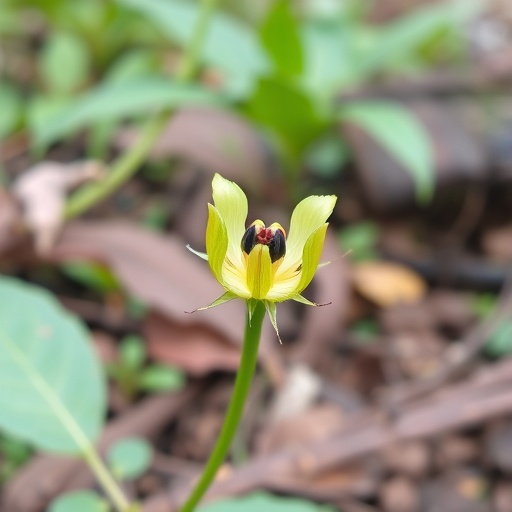
A recent discovery in the field of botany has brought to light a new species of plant, further showcasing the rich biodiversity of Arunachal Pradesh, India. This newly identified species is named Isodon atroruber, an addition to the Lamiaceae family. This significant finding, reported by a team of researchers led by Khanal et al., highlights not only the ecological importance of the region but also the need for ongoing research in lesser-known areas of our planet. The study focuses on the characteristics, habitat, and potential uses of this remarkable plant, emphasizing the crucial role of biodiversity conservation.
Arunachal Pradesh, located in the northeastern part of India, is renowned for its diverse flora and fauna, primarily due to its varied topography and climatic conditions. The state’s unique ecosystem is a treasure trove for botanists and conservationists alike, where many species remain undiscovered or poorly understood. The emergence of Isodon atroruber underscores the fact that many plants await scientific recognition, and the area is ripe for further exploration. The intricate relationship between climate, altitude, and plant species composition in Arunachal Pradesh creates a dynamic haven for biodiversity.
The Isodon genus is recognized for its diverse range of species, many of which possess medicinal properties. Members of this genus are relatively understudied, and the discovery of Isodon atroruber presents an opportunity to delve deeper into the pharmacological potentials inherent in this new species. Traditional knowledge, combined with modern scientific inquiry, can lead to a wealth of information regarding the possible applications of such plants. There is a strong possibility that in discovering Isodon atroruber, researchers may uncover new compounds that could be impactful in pharmaceutical applications.
The botanical characteristics of Isodon atroruber are still being explored, but initial observations indicate distinct features that differentiate it from other species within the Isodon genus. Detailed morphological studies are necessary to confirm these characteristics, which include leaf shape, flower color, and growth habits. Such morphological traits not only aid in proper classification but also provide insights into the plant’s ecological adaptations. The study conducted by Khanal et al. serves as a foundational research effort to document these essential attributes.
Field studies are vital for understanding the ecological niche occupied by Isodon atroruber. The research team emphasizes the importance of habitat preservation and the effects of climate change on these vulnerable ecosystems. The natural habitats of Arunachal Pradesh are under constant threat from human activities, deforestation, and climate variability. Documenting species like Isodon atroruber raises awareness regarding conservation efforts and encourages sustainable practices that protect biodiversity. Engaging local communities in conservation efforts is paramount, as they play a significant role in safeguarding their natural resources.
Phytochemical analysis of Isodon atroruber may reveal optimal conditions for the expression of any bioactive compounds present in the plant. Understanding these conditions could lead to sustainable harvesting practices that support both local economies and conservation efforts. Moreover, this model of combining local knowledge with scientific research could facilitate the development of community-based conservation programs, empowering local populations while preserving their heritage and natural resources.
The discovery of Isodon atroruber holds immense potential, not just ecologically but also economically. As researchers continue to investigate the chemical profiles of new plant species, the pharmaceutical industry stands to benefit significantly from such findings. Many modern medicines are derived from natural compounds found in plants, and species like Isodon atroruber could contribute to the discovery of new drugs or plant-based therapies. This intersection between natural biodiversity and modern medicine exemplifies the importance of continued research in unexplored territories.
In terms of biodiversity assessments in Arunachal Pradesh, the addition of Isodon atroruber sheds light on the number of undiscovered species that may exist in the region. As taxonomists keep identifying new species, it becomes evident that the protection of forest habitats is crucial for ensuring the survival of many endemic species. The synergy between ecological research and conservation not only helps elucidate the complexity of ecosystems but fosters broader understanding and appreciation among the public and policymakers alike.
The announcement of Isodon atroruber has generated excitement within the scientific community and beyond. It serves as a reminder of the wonders of our natural world, highlighting the integral connection between biodiversity and human well-being. By raising awareness of such discoveries, researchers hope to inspire a new generation of botanists and conservationists to engage actively with the natural world around them. Public interest in biodiversity can lead to greater support for conservation initiatives and increased funding for further research endeavors.
The publication of Khanal et al.’s research paves the way for future studies, not only on Isodon atroruber but also on related species within the Lamiaceae family. These investigations will likely employ advanced techniques, including molecular phylogenetics and ecophysiology, aiding in the resolution of taxonomic ambiguities and further fleshing out the ecological roles of these plants. Future research directions may involve collaboration among botanists, chemists, and conservationists to ensure a holistic approach to plant discovery and preservation.
In conclusion, Isodon atroruber stands as a testament to the incredible potential of unexplored biodiversity in Arunachal Pradesh. The challenges posed by habitat loss and climate change underline the urgency of integrating scientific research with conservation strategies. As we continue to uncover the secrets hidden within flora like Isodon atroruber, we must unite our efforts to promote sustainability and stewardship of the remarkable biodiversity our planet has to offer. This discovery represents not just a singular botanical achievement but a crucial reminder of the importance of protecting our natural heritage for generations to come.
The journey of studying Isodon atroruber is just beginning, and as explorations continue, the future looks bright for understanding and preserving the incredible wealth of plant life that remains, waiting to be discovered. With each new finding, researchers move closer to comprehensively mapping biodiversity and ensuring that our planet’s flora thrives amid an ever-changing world.
Khanal, M., Majhi, B.K., Sarkar, S. et al. Isodon atroruber R.A. Clement (Lamiaceae), a newly recorded species from Arunachal Pradesh, India. Discov. Plants 2, 235 (2025). https://doi.org/10.1007/s44372-025-00313-1
Cite Scienmag News
Margaret Porter. (September 4, 2025). New Plant Species Discovered in Arunachal Pradesh! Scienmag. https://scienmag.com/new-plant-species-discovered-in-arunachal-pradesh/
Margaret Porter. "New Plant Species Discovered in Arunachal Pradesh!" Scienmag, 4 September 2025, https://scienmag.com/new-plant-species-discovered-in-arunachal-pradesh/. Accessed 4 September 2026.
Margaret Porter. "New Plant Species Discovered in Arunachal Pradesh!" Scienmag. September 4, 2025. https://scienmag.com/new-plant-species-discovered-in-arunachal-pradesh/


