

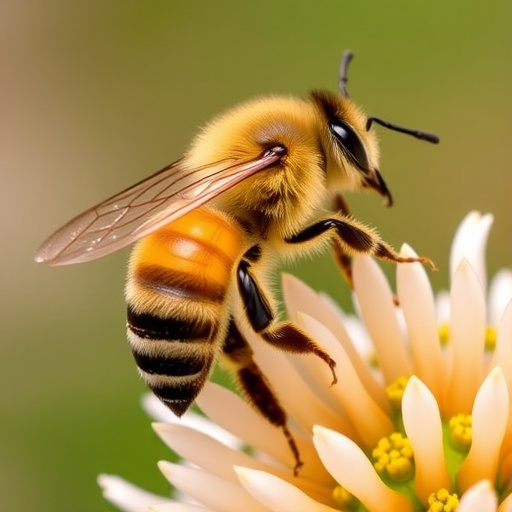
In a groundbreaking study published in BMC Genomics, researchers P. Davoodi and M. Razmkabir have made remarkable advancements in understanding the genetic factors associated with Varroa resistance in honeybees. This research sheds light on an escalating issue that has plagued beekeeping and honey production across the globe. The Varroa destructor mite is a notorious parasite that attaches to the honeybee, feeding on their bodily fluids and causing considerable mortality, which affects pollination and honey yield. As the global bee population continues to decline, the urgency for effective solutions intensifies.
The researchers utilized a methodology known as Multi-Genome-Wide Association Studies (MGWAS), which allows for the analysis of numerous genomes simultaneously. This innovative approach not only accelerates the identification of genetic markers linked to desirable traits but also enhances the understanding of complex traits such as resistance to Varroa mites. By examining multiple bee genomes, the authors aimed to pinpoint specific genes that confer resistance, hoping to utilize this knowledge in breeding programs that promote healthier bee populations.
Previous studies on honeybee genetics have often been limited by the narrow scope of their samples. However, Davoodi and Razmkabir’s study encompasses a broader genetic meta-analysis, drawing data from various honeybee populations across different regions. This extensive dataset provides a more comprehensive view of the genetic landscape influencing mite resistance, which is crucial for identifying universal traits that may be useful in breeding resilient honeybee varieties.
Emerging from their analysis were several significant findings related to genes associated with immune response and stress tolerance. These genes play pivotal roles in the life cycle of bees and significantly affect their overall health. The researchers discovered that certain alleles of these resistance genes were present at a higher frequency in populations that exhibited robust defense mechanisms against Varroa infestations. Understanding these alleles could enable selective breeding efforts aimed at enhancing resistance traits in vulnerable populations.
The study also highlights the necessity of a multi-faceted approach to bee health management, combining genetic insights with other methodologies. For instance, while genetic resistance is vital, it should be coupled with suitable environmental practices and management strategies. Beekepers can leverage these insights to make data-driven decisions about colony management, pest control, and ultimately, the longevity of their hives.
Additionally, the authors noted the relevance of environmental factors in the manifestation of genetic traits. The interactions between genetic predisposition and environmental stressors are crucial to understanding how honeybees adapt or succumb to threats like the Varroa mite. As climate change continues to disrupt ecosystems, the pressures on bee populations are likely to exacerbate. This makes knowledge of the genetic underpinnings of resistance all the more valuable.
Furthermore, the potential implications of this research extend beyond just honeybee health. As pollinators play an integral role in global agriculture and food production, fostering resilience in bee populations is critical for maintaining ecological balance. The findings of this study could contribute to habitat management efforts, agricultural practices that prioritize pollinator health, and ultimately, food security.
In light of the ongoing challenges posed by Varroa mites, the authors emphasize the urgency for integrated pest management strategies informed by genetic research. Employing such strategies, beekeepers could minimize reliance on chemical treatments, which can have deleterious effects on bee colonies. The study underlines the importance of a sustainable approach, advocating for the coexistence of bees and farming practices that respect their natural behaviors.
The broader applications of this research could also extend to other pollinator species facing threats from pests and diseases. While Varroa destructor is a unique challenge for honeybees, understanding the genetic strategies for resisting such pests could inform conservation efforts for other species that contribute to pollination. This opens up avenues for cross-disciplinary studies that expand on the genetic architecture of resilience in various organisms.
Highlighting this research’s uniqueness is the emphasis on not only identifying genetic markers but also suggesting how they can be practically applied. The authors propose that further exploration of these genetic markers through breeding programs could yield strains of honeybees that exhibit heightened resistance traits. Such developments could eventually lead to the creation of a new generation of bees that thrive even in the presence of Varroa mites, benefitting both beekeepers and ecosystems alike.
As scientists and agriculturalists continue to grapple with the decline of bee populations, Davoodi and Razmkabir’s research serves as a beacon of hope. By illuminating the genetic factors that contribute to Varroa resistance, the study paves the way for innovative solutions that could enhance bee health and sustainability. As we move forward, it is imperative that we remain steadfast in our efforts to support bee populations, ensuring that these essential pollinators continue to thrive.
This research underscores the critical intersection of genetics, ecology, and agriculture. It emphasizes not only the complexity of bee health but also the urgent need for collaboration between scientists, beekeepers, and policymakers. The path to revitalizing bee populations is intricate, requiring a dedication to understanding the nuances of their genetic makeup and the challenges imposed by their environment.
In closing, Davoodi and Razmkabir’s study represents a significant leap in our understanding of honeybee genetics. It reminds us of the importance of scientific inquiry in addressing real-world challenges, particularly in the case of Varroa resistance. By continually exploring these genetic architectures, we can develop comprehensive strategies that protect bees and, consequently, the myriad ecosystems that depend on them.
Subject of Research: Genetic architecture of Varroa resistance in honeybees.
Article Title: Multi-Genome-Wide Association Studies Provide New Insights Into the Genetic Architecture of Varroa Resistance in Honeybees.
Article References:
Davoodi, P., Razmkabir, M. Multi-Genome-Wide association studies provide new insights into the genetic architecture of Varroa resistance in honeybees.
BMC Genomics (2025). https://doi.org/10.1186/s12864-025-12191-8
Image Credits: AI Generated
DOI: 10.1186/s12864-025-12191-8
Keywords: Varroa destructor, honeybee genetics, multi-genome-wide association studies, genetic resistance, bee health, pollination, sustainable agriculture.


