


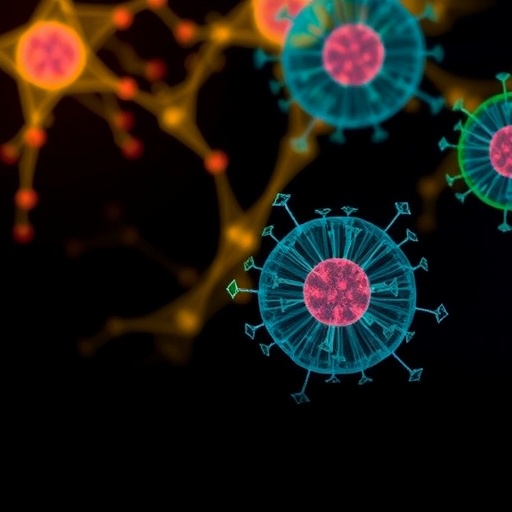
In a remarkable development within the field of cellular biology, a recent study by Kim and colleagues delves into the intricate mechanisms underlying mitochondrial metabolism and the implications for induced pluripotency. The research outlines how the metabolism of mitochondrial thymidine significantly alters as cells transition into a pluripotent state. This transformative process, known as induced pluripotency, allows for somatic cells to revert to a stem cell-like condition, which holds vast potential for regenerative medicine and therapeutic applications.
The discovery of such metabolic changes during the pluripotency induction process employs cutting-edge techniques and thorough analyses. The authors conducted a series of experiments to quantify mitochondrial thymidine levels and assess how these levels fluctuate in correlation with mtDNA copy number. Mitochondrial thymidine, a nucleoside essential for the synthesis of mitochondrial DNA (mtDNA), plays a pivotal role in the regeneration and maintenance of mitochondrial functions. Understanding this interplay is crucial, particularly in the context of cellular reprogramming, where energy demands and metabolic requirements dramatically shift.
A critical aspect of this research lies in its implications for the understanding of mitochondrial dynamics. Mitochondria, often referred to as the powerhouses of the cell, undergo significant changes during cellular reprogramming. These changes are not merely circumstantial; rather, they reflect the cell’s adaptation to a new functional state. By investigating the variations in mtDNA copy number, the authors shed light on the metabolic demands that accompany induced pluripotency. This is vital for both the stability of pluripotent cells and the successful application of these cells in various therapeutic scenarios.
The methodology employed in the study includes innovative techniques such as high-throughput sequencing and quantitative PCR, allowing for a precise measurement of mtDNA levels. The authors meticulously detail the shifts observed in thymidine metabolism, providing a comprehensive analysis that links the biochemical characteristics of mitochondria with cellular identity. This research invites a fresh look at the metabolic programming of cells, suggesting that the reprogramming process is intricately tied to mitochondrial function.
An additional layer of complexity arises when considering the potential for therapeutic interventions. With the growing interest in induced pluripotent stem cells (iPSCs), understanding the metabolic requirements for these cells necessitates a detailed exploration of mitochondrial biology. The enhancement or alteration of thymidine metabolism could pave the way for optimizing iPSC generation, potentially improving the efficiency and viability of stem cell therapies. These advancements hold significant promise for treating degenerative diseases and injuries by providing a robust source of pluripotent cells.
Furthermore, as researchers delve deeper into the molecular underpinnings of induced pluripotency, they also uncover connections to age-related mitochondrial dysfunction. This aspect of the study raises intriguing questions about how aging might influence the ability of cells to revert to a pluripotent state. The relationship between mitochondrial health and cellular reprogramming could illuminate pathways for developing therapies that mitigate the adverse effects of aging on cellular function.
The findings also resonate with ongoing discussions in the field regarding the importance of metabolic reprogramming in cancer. Tumor cells often exhibit altered mitochondrial metabolism, which supports their survival and proliferation. Investigating the similarities in mitochondrial behavior between iPSCs and cancer cells could lead to breakthroughs in understanding how to manipulate these metabolic pathways for therapeutic gain.
Continuous research in this area promises to unravel more intricate details about the cellular processes that govern life. The interplay between mitochondrial metabolism and cellular identity invites a broader perspective on the significance of metabolic adaptions in health and disease. As Kim and colleagues highlight, the changes in thymidine metabolism and mtDNA copy number during the transition to pluripotency provide a critical pivot point for future exploration into cellular reprogramming and mitochondrial function.
Moreover, the findings could stimulate further interdisciplinary research initiatives, bringing together biologists, bioinformaticians, and clinicians to collaborate on data integration and application methods. The multifaceted nature of this research aligns perfectly with the current paradigm in scientific inquiry, where integrating diverse fields is essential for addressing complex biological questions.
As the study progresses into publication in the journal Experimental and Molecular Medicine, the broader implications of this work are likely to reverberate across various sectors ranging from academic research to clinical practice. The foundational insights gained from understanding mitochondrial thymidine metabolism during induced pluripotency may serve as touchstones for future investigations into stem cell biology and regenerative medicine.
Ultimately, the exploration of mitochondrial roles in cellular reprogramming reminds us of the complex, interdependent systems that govern life at the cellular level. Researchers and practitioners committed to advancing knowledge in this domain will undoubtedly benefit from the string of revelations stemming from work such as that of Kim and colleagues, propelling new avenues of inquiry that could redefine our comprehension of cellular identity and function.
This research highlights a pivotal challenge and opportunity within the field of cellular biology, as scientists work to decode the symbiotic relationships between metabolism and cellular state. The discoveries pertaining to mitochondrial thymidine metabolism not only enrich the narrative of induced pluripotency but also bolster the impetus for advancing biotechnology developmental processes in regenerative medicine, ultimately serving to augment human health in profound ways.
In the ever-evolving landscape of biomedical research, the contributions of studies like this one are invaluable. They expand our understanding while catalyzing the innovation needed to harness the potential of stem cells in transformative therapies. The crossroads at which mitochondrial function and cellular identity meet may hold the key to unlocking novel treatments for a range of diseases and conditions, reaffirming the significance of meticulous scientific inquiry in our ongoing quest for knowledge.
Cite Scienmag News
Nathaniel Bowman. (January 19, 2026). New Insights into Mitochondrial Thymidine and Pluripotency. Scienmag. https://scienmag.com/new-insights-into-mitochondrial-thymidine-and-pluripotency/
Nathaniel Bowman. "New Insights into Mitochondrial Thymidine and Pluripotency." Scienmag, 19 January 2026, https://scienmag.com/new-insights-into-mitochondrial-thymidine-and-pluripotency/. Accessed 6 September 2026.
Nathaniel Bowman. "New Insights into Mitochondrial Thymidine and Pluripotency." Scienmag. January 19, 2026. https://scienmag.com/new-insights-into-mitochondrial-thymidine-and-pluripotency/


