

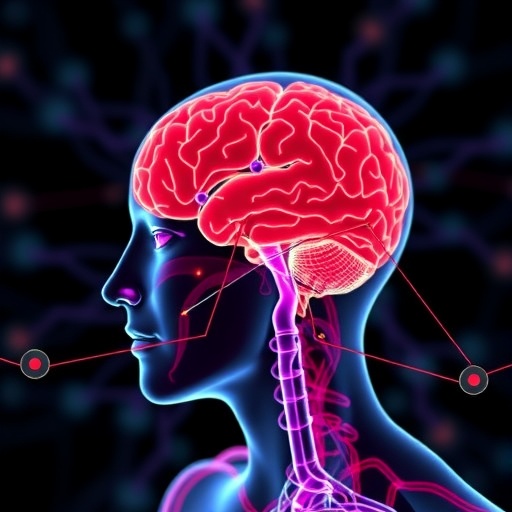
In a groundbreaking synthesis of evidence, researchers have unveiled compelling new insights into the therapeutic potential of neuromodulation for individuals grappling with severe obsessive–compulsive disorder (OCD). This debilitating condition, marked by intrusive thoughts and repetitive behaviors, often resists conventional treatments, leaving many patients trapped in cycles of distress and dysfunction. The latest systematic review and meta-analysis, encompassing data from 142 studies and nearly 3,000 patients, provides rigorous confirmation that neuromodulation—both invasive and non-invasive—can significantly alleviate OCD symptoms, heralding a new era of hope for treatment-resistant cases.
Neuromodulation, which involves the targeted electrical or magnetic stimulation of specific brain circuits, has steadily emerged as a promising alternative to pharmacotherapy and psychotherapy for OCD. However, until now, the field lacked a comprehensive quantitative assessment that could decisively compare the efficacy of various neuromodulatory approaches. The research team meticulously combed through three major databases—PubMed, Embase, and Cochrane—from their inception up to December 2024, selecting studies that provided pre- and post-intervention symptom severity scores for at least two patients. This exhaustive compilation enabled a robust meta-analytic evaluation of treatment impacts while accounting for methodological rigor and bias.
The pooled analysis revealed that neuromodulation leads to an average symptom reduction of 35.3%, a dramatic improvement that underscores its clinical relevance. Breaking down this effect, the investigators found that invasive techniques—such as deep brain stimulation (DBS) and ablative surgeries—conferred the most substantial benefits, with mean differences in symptom scales ranging from approximately 40% to 45%. These invasive strategies directly modulate key nodes within the cortico-striato-thalamo-cortical (CSTC) circuits implicated in OCD pathophysiology, achieving a more potent and sustained effect.
In contrast, non-invasive modalities, including transcranial magnetic stimulation (TMS) and transcranial direct current stimulation (tDCS), yielded more modest but still meaningful symptom reductions, with effect sizes between 26% and 29%. Given their favorable safety profiles and greater accessibility, these approaches represent viable first-line neuromodulatory options, particularly for patients hesitant or ineligible for surgical interventions. The study’s extensive network analysis further delineated how stimulation targets within brain circuitry differentially influence therapeutic outcomes, providing critical guidance for optimizing treatment protocols.
Equally important, the research addressed a persistent challenge in the field: the placebo effect. By selectively analyzing sham-controlled trials—where participants receive false or inactive stimulation—the authors isolated the genuine neuromodulatory impact beyond psychological expectation. Even within these high-quality randomized controlled designs, the data revealed a significant symptom decrease of 15.4%, affirming that the benefits of neuromodulation cannot be attributed to placebo alone. Further sensitivity analyses excluding studies with high risk of bias still demonstrated a robust effect size of 10.7%, strengthening confidence in the reproducibility and clinical significance of these findings.
The implications of this meta-analysis extend beyond immediate symptom relief. OCD is notorious for its chronic course and resistance to first-line therapies, often engendering profound disability and reduced quality of life. Neuromodulation not only bridges a critical therapeutic gap but also illuminates the neurobiological underpinnings of OCD. By tailoring stimulation parameters to patient-specific neural substrates, clinicians can leverage mechanistic knowledge to foster precision medicine approaches, enhancing efficacy while minimizing adverse effects.
Moreover, the study’s authors highlight the evolutionary trajectory of neuromodulation technologies. Recent advances in electrode design, imaging integration, and computational modeling enable more precise targeting and individualized treatment planning. Future innovations may incorporate closed-loop systems that dynamically adjust stimulation based on real-time neural feedback, potentially amplifying therapeutic gains and curtailing side effects. The meta-analytic confirmation of neuromodulation’s diverse impacts thus sets the stage for a rapidly maturing therapeutic frontier in psychiatry.
These findings resonate with clinicians and patients alike. For years, invasive neuromodulation had been reserved as a last resort due to its surgical risks and complexity. The demonstration of meaningful improvements via non-invasive alternatives injects new optimism and expands the array of treatment choices. Furthermore, the convergence of evidence from multiple studies and carefully calibrated analyses alleviates prior skepticism, validating neuromodulation as a cornerstone in OCD treatment algorithms moving forward.
From a neuroscientific perspective, dissecting the differential effects of diverse stimulation targets enriches the conceptualization of OCD’s neurocircuitry. The meta-analytic framework illuminated that modulation of the ventral striatum, subthalamic nucleus, and the anterior limb of the internal capsule yielded particularly strong clinical responses. These nodes intersect with cognitive control, reward processing, and habit formation pathways, which are dysregulated in OCD. By fine-tuning stimulation to these hubs, neuromodulation effectively recalibrates aberrant connectivity patterns, fostering symptom attenuation.
Importantly, the extensive dataset analyzed in this study integrates evidence gathered over decades, reflecting heterogeneity in patient populations, stimulation parameters, and outcome measures. Despite inevitable variability, the consistent trend toward symptom improvement supports the generalizability of neuromodulation across diverse clinical contexts. This breadth also allows for the identification of moderators of response, such as stimulation intensity, duration, and target localization, enabling future meta-regression and personalized treatment approaches.
The authors prudently caution that while invasive approaches show the largest effect sizes, they are not without limitations. Surgical risks, including infection and hardware complications, must be weighed against potential gains, and long-term follow-up remains essential to assess durability of response and neuropsychiatric safety. Nevertheless, the aggregate evidence suggests these risks are acceptable within carefully selected populations, particularly those with severe, refractory illness.
Looking ahead, incorporating biomarkers and advanced neuroimaging modalities may further refine patient selection and enhance outcome prediction. The dynamic interplay between neurocircuitry, genetics, and environmental factors in OCD pathogenesis calls for integrative approaches that combine neuromodulation with pharmacological or cognitive-behavioral interventions. Synergistic combinations hold promise for maximizing remission rates and sustaining functional recovery.
In sum, this landmark meta-analysis marks a pivotal milestone in the field of psychiatric neuromodulation. It cogently demonstrates that both invasive and non-invasive brain stimulation techniques substantially reduce symptom burden in treatment-resistant OCD, with invasive modalities delivering the largest effect sizes. The rigorous methodological framework and breadth of studies support translating these findings into clinical practice, encouraging broader access to neuromodulation therapies. As neuroscientific understanding of OCD deepens, neuromodulation will undoubtedly play an increasingly central role in personalized, mechanism-driven treatment paradigms.
This synthesis not only validates existing clinical practices but also inspires innovative research inquiries aimed at enhancing safety, efficacy, and patient-centered outcomes. The next decade promises to see neuromodulation evolve from a niche intervention into a mainstream therapeutic tool, transforming the lives of countless individuals who have long battled the relentless grip of obsessive–compulsive disorder.
Subject of Research: Neuromodulation therapies for treatment-resistant obsessive–compulsive disorder (OCD).
Article Title: Neuromodulation for treatment-resistant obsessive–compulsive disorder: a systematic review, meta-analysis and network analysis.
Article References:
Venetucci Gouveia, F., Elias, G.J.B., Wong, E.H.Y. et al. Neuromodulation for treatment-resistant obsessive–compulsive disorder: a systematic review, meta-analysis and network analysis. Nat. Mental Health (2026). https://doi.org/10.1038/s44220-026-00586-9
Image Credits: AI Generated


