


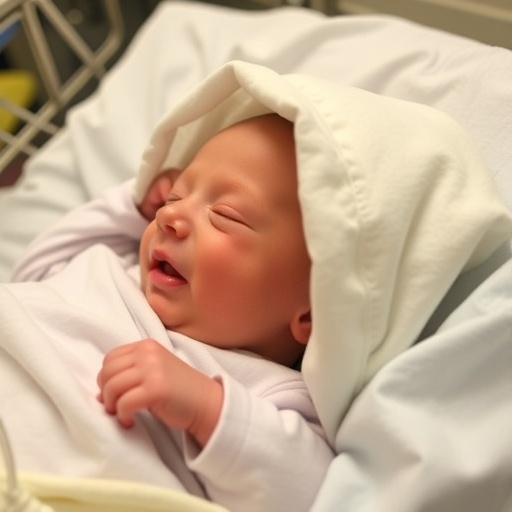
In the intricate and emotionally charged environment of neonatal intensive care units (NICUs), bedside nurses are often the frontline caregivers to some of the most vulnerable patients. A recent study conducted at a level IV NICU has shed new light on the nuanced perspectives of these nurses regarding the care of infants diagnosed with trisomy 18 (T18), a chromosomal condition historically considered “incompatible with life.” The findings of this study, published in the Journal of Perinatology in April 2026, reveal complex moral tensions and ethical dilemmas experienced by nurses, shaping their perceptions and practices in critical care settings.
Trisomy 18, also known as Edwards syndrome, is a severe genetic disorder caused by the presence of an extra chromosome 18. Affected infants typically face profound developmental anomalies and a high mortality rate, often leading to controversial discussions surrounding the extent and nature of intensive medical interventions. Despite this common medical understanding, the study highlights significant variability among NICU nurses in how they interpret prognosis and decide which interventions to pursue.
The research team implemented a mixed-methods survey distributed electronically to bedside nurses in a tertiary care NICU, achieving a robust response rate of 46%, with a total of 145 participants. Survey questions combined quantitative scales with qualitative, open-ended queries, enabling a comprehensive exploration of nurses’ beliefs about T18’s clinical trajectory and the ethical implications surrounding care decisions. The survey notably included direct questions about whether T18 should be classified as “incompatible with life” and whether this diagnosis ought to influence treatment strategies.
Data analysis revealed that slightly more than half of the nurses (53%) agreed with the classification of T18 as incompatible with life, suggesting a predominant view shaped by traditional clinical expectations. Furthermore, 59% of respondents believed that the diagnosis should affect the offerings of medical intervention, indicating a tendency toward limiting aggressive treatments. Nevertheless, a significant minority held alternative perspectives, reflecting the diversity and complexity of ethical judgment in neonatal care.
Beyond these quantitative insights, the thematic analysis of 114 free-text responses uncovered two principal themes—perceptions of prognosis and ethical considerations. Nurses expressed a range of prognostic outlooks, some anchored firmly in data-driven survival statistics, others influenced by personal experience witnessing rare cases of longer-term survival. These prognostic perceptions directly impacted attitudes toward intervention, with some nurses advocating for comfort-focused care while others supported more active medical management.
The second theme — ethical considerations — encapsulated the moral distress and uncertainty many nurses face when caring for infants with T18. Discussions in free-text responses underscored the emotional burden of balancing respect for life, parental wishes, and clinical realities. Nurses grappled with questions of quality of life, suffering, and the appropriate limits of technology, revealing a profound ethical complexity that often left them conflicted.
This study is groundbreaking in pointing out that these moral tensions are not merely individual struggles but may contribute to systemic ethical distress within NICU teams. Nurses’ internal conflicts can affect their emotional well-being, decision-making processes, and ultimately, patient care quality. The findings underscore the necessity for enhanced ethical support, interdisciplinary communication, and education tailored to the unique challenges presented by conditions like trisomy 18.
Moreover, the research advocates for a shift away from overly simplistic categorizations of T18 as universally incompatible with life. By acknowledging the heterogeneous nature of survival prospects and quality-of-life outcomes, healthcare providers might better engage families in shared decision-making. Nurses’ voices, as captured in this study, emphasize the importance of personalized care approaches that respect both medical evidence and individual family values.
Importantly, the study also questions the adequacy of existing guidelines related to T18 care. While some protocols recommend restrictive interventions based on prognosis, the nurses’ diverse outlooks suggest a potential mismatch between standards and frontline realities. This gap highlights the ongoing need for revising clinical policies to integrate ethical complexities and frontline experiences.
In addition, the findings reveal how nurses’ perceptions influence clinical interactions with families, shaping counseling, expectations, and emotional support. Nurses who believe in the incompatibility of life may inadvertently communicate pessimism, while those endorsing more hopeful prognoses can foster resilience and hope. Therefore, awareness of personal biases and ethical reflections is critical for maintaining compassionate, balanced care.
The study’s methodological strength lies in its mixed-methods design, combining quantitative rigor with qualitative depth. This approach allows for a rich and textured understanding of nurses’ attitudes, surpassing the limitations of purely statistical or anecdotal reports. Consequently, it sets a precedent for future investigations into moral dynamics in neonatal and pediatric ethics.
From a broader perspective, these findings resonate beyond the NICU, reflecting ongoing societal debates about medical ethics, the value of life with severe disabilities, and the role of advanced technologies in prolonging life. The nurses’ experiences in this specialized clinical milieu mirror larger questions that health systems, policymakers, and ethicists continue to grapple with globally.
For families confronted with a T18 diagnosis, these insights offer an important resource for understanding the emotional and ethical landscape navigated by caregivers. The recognition of moral tension at the bedside validates the complexity and humanity of neonatal care, emphasizing the need for empathy, communication, and shared understanding among all stakeholders.
Looking ahead, the authors urge the integration of structured ethical training and support systems within NICUs to help nurses process these moral challenges. Such efforts could mitigate distress, enhance job satisfaction, and improve patient-centered outcomes. They also recommend further research to explore strategies for fostering ethical resilience and team-based moral deliberation.
Ultimately, this landmark survey has illuminated the profound moral conflicts embedded in the care of infants with trisomy 18. By capturing the voices of NICU nurses, it brings attention to the ethical intricacies that shape bedside care and stresses the importance of supporting healthcare providers in one of medicine’s most emotionally charged arenas.
The study’s contributions resonate deeply with ongoing discussions about the evolving standards of neonatal care, the integration of ethics in clinical practice, and the human dimensions of medicine. As technology advances, these human perspectives will remain paramount in guiding compassionate, ethically sound care for the tiniest and most vulnerable patients.
Cite Scienmag News
Harold Sullivan. (April 8, 2026). Neonatal Nurses’ Ethical Views on Trisomy 18 Care. Scienmag. https://scienmag.com/neonatal-nurses-ethical-views-on-trisomy-18-care/
Harold Sullivan. "Neonatal Nurses’ Ethical Views on Trisomy 18 Care." Scienmag, 8 April 2026, https://scienmag.com/neonatal-nurses-ethical-views-on-trisomy-18-care/. Accessed 5 September 2026.
Harold Sullivan. "Neonatal Nurses’ Ethical Views on Trisomy 18 Care." Scienmag. April 8, 2026. https://scienmag.com/neonatal-nurses-ethical-views-on-trisomy-18-care/


