


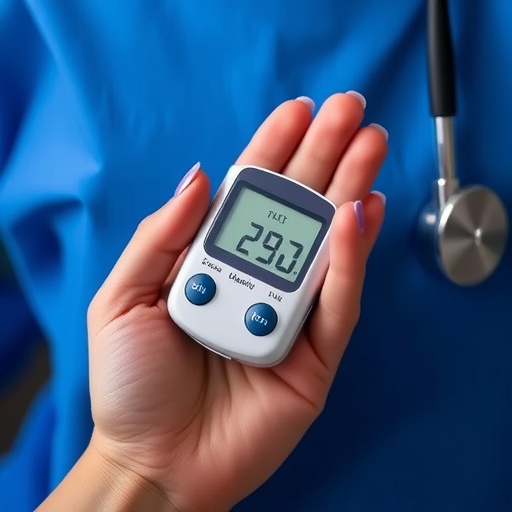
In an alarming revelation that underscores the global health crisis, a comprehensive new study led by the Institute for Health Metrics and Evaluation (IHME) at the University of Washington School of Medicine exposes persistent gaps in diabetes diagnosis and management worldwide. Published in The Lancet Diabetes & Endocrinology, this extensive analysis spanning from 2000 to 2023 meticulously dissects the diabetes care cascade across all ages, sexes, and 204 countries and territories. The findings illuminate a disconcerting reality: nearly half of all individuals living with diabetes remain oblivious to their condition, a statistic that could exacerbate the impending diabetes epidemic threatening global health systems.
Based on data from 2023, the study estimates that approximately 44% of people aged 15 and above with diabetes are undiagnosed, cloaking the underlying burden in uncertainty. Particularly striking is the high rate of underdiagnosis among young adults — a demographic traditionally perceived as lower risk but now increasingly recognized as vulnerable to the long-term complications of untreated diabetes. This discovery challenges preconceived notions about the disease’s demographic reach and calls for urgent recalibration of screening strategies targeting younger populations.
Among those fortunate enough to receive a diagnosis, an encouraging 91% reportedly engage in some form of pharmacological intervention to control their condition. Despite this commendable treatment uptake, optimal blood glucose management remains elusive for a majority. Only 42% of individuals receiving medication achieve adequate glycemic control, culminating in a mere 21% of the total global diabetic population maintaining their condition under effective management. This critical discrepancy between treatment and actual disease control illustrates the complexity of diabetes management and highlights the need for enhanced therapeutic strategies and patient adherence support.
Regional disparities in diabetes care further complicate the global landscape. High-income North America leads with the highest diagnosis rates, reflecting better healthcare infrastructure and screening protocols. In contrast, high-income Asia Pacific dominates in treatment rates among diagnosed individuals, signaling efficient healthcare delivery systems and access to necessary medications. Southern Latin America outperforms other regions in optimal blood glucose control among those treated, suggesting effective disease management programs. Conversely, Central sub-Saharan Africa bears the brunt of diagnostic shortcomings, with less than 20% of people with diabetes aware of their condition, underscoring urgent equity issues in healthcare accessibility and diagnostic outreach.
This vast dataset draws from the Global Burden of Disease Study and IRME’s intricate modelling techniques—a testament to the power of global collaborative research and data synthesis. By integrating demographic, clinical, and epidemiological data, researchers have mapped nuanced trends within the diabetes care continuum. These methods allow for a granular understanding of where healthcare systems falter, be it in early detection, treatment provision, or achieving treatment efficacy.
The study’s authors warn of a looming public health crisis. Projections indicate that by 2050, 1.3 billion people could be living with diabetes globally, driving home the necessity of urgent public health interventions. As Lauryn Stafford, the study’s first author, aptly notes, a silent epidemic is brewing—driven predominantly by those undiagnosed and, consequently, untreated. The invisibility of this disease in many parts of the world risks overwhelming healthcare infrastructure and accelerating diabetes-related morbidity and mortality.
Central to confronting this challenge is the need to bolster investment in early diagnostic tools and screening programs, especially targeting younger populations who display high underdiagnosis rates. The effectiveness of pharmacological treatments hinges not only on access but also on timely diagnosis—without knowing one’s status, treatment initiation is impossible. Additionally, equitable distribution of essential medications and advanced glucose-monitoring technologies is critical in bridging existing gaps.
The findings also reflect the ongoing disparity between resource-rich and resource-limited settings, revealing systemic inequities that persist in global diabetes care. Low- and middle-income countries are disproportionately affected by underdiagnosis and suboptimal treatment regimens. This disparity underscores how socio-economic factors and healthcare infrastructure deficiencies perpetuate gaps in disease management, necessitating targeted international support and policy-driven healthcare reforms.
The World Health Organization’s ambitious goal for 2030—aiming to clinically diagnose 80% of individuals with diabetes—is a critical benchmark in addressing these inequities. Yet, the current data indicates that substantial ground remains to be covered to meet this target, especially in underserved regions. The convergence of political will, technical innovation, and healthcare system strengthening appears indispensable to narrowing this diagnosis and care gap.
Beyond diagnosis and treatment, glycemic control—the fundamental marker of diabetes management success—remains a formidable hurdle. Achieving optimal blood sugar levels entails multifaceted challenges, including medication adherence, lifestyle modifications, and continuous monitoring. The study’s outcomes reveal that despite widespread use of medication, the proportion of patients attaining desired glycemic targets is disappointingly low, a statistic calling for comprehensive patient education and support frameworks.
This exhaustive analysis was supported by the Bill & Melinda Gates Foundation, spotlighting the critical role of funding agencies in enabling large-scale, globally relevant health research. The collaborative nature of this study, incorporating diverse data sources and methodological rigor, exemplifies how multidisciplinary partnerships can advance understanding of complex health issues like diabetes.
In essence, this landmark study delivers a sobering message: while biomedical advances have expanded treatment options, persistent diagnostic gaps, uneven treatment access, and suboptimal disease control continue to fuel the global diabetes burden. Addressing these challenges requires unparalleled commitment from governments, healthcare providers, and international stakeholders to implement innovative screening strategies, improve healthcare delivery, and ensure equitable access to life-saving interventions.
Cite Scienmag News
Ophelia Keating. (September 8, 2025). Nearly Half of People with Diabetes Remain Unaware of Their Condition, Study Finds. Scienmag. https://scienmag.com/nearly-half-of-people-with-diabetes-remain-unaware-of-their-condition-study-finds/
Ophelia Keating. "Nearly Half of People with Diabetes Remain Unaware of Their Condition, Study Finds." Scienmag, 8 September 2025, https://scienmag.com/nearly-half-of-people-with-diabetes-remain-unaware-of-their-condition-study-finds/. Accessed 3 September 2026.
Ophelia Keating. "Nearly Half of People with Diabetes Remain Unaware of Their Condition, Study Finds." Scienmag. September 8, 2025. https://scienmag.com/nearly-half-of-people-with-diabetes-remain-unaware-of-their-condition-study-finds/


