


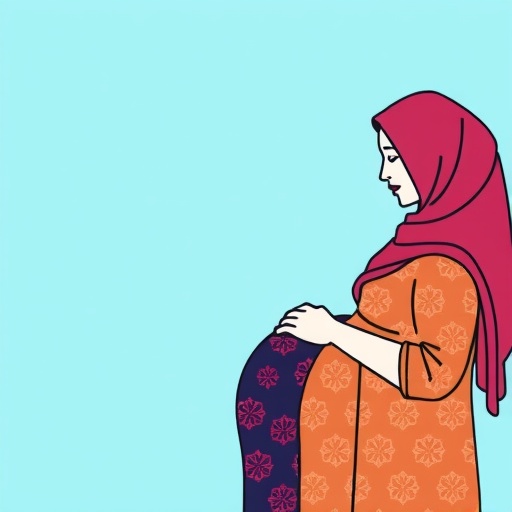
In the realm of maternity care, a new qualitative study from Turkey has spotlighted the intricate interplay between culture and communication, particularly as experienced by midwifery students. As the world becomes more interconnected, understanding cultural differences in healthcare settings is paramount. This research underscores the challenges faced by these students as they navigate the often complex waters of providing care to women from diverse cultural backgrounds. It particularly emphasizes how cultural clashes can impede effective communication, ultimately affecting patient outcomes.
The study highlights the realities that midwifery students encounter during their training, where they are required not only to master the technical skills of childbirth but also to engage empathetically with patients whose backgrounds may be vastly different from their own. The participants shared personal narratives reflecting their experiences, illustrating how they grappled with these cultural differences. Through their stories, the findings reveal a pressing need for educational programs that equip future midwives with the skills necessary to bridge cultural gaps.
By directly engaging with this topic, the study sheds light on the vital role that cultural competence plays in midwifery education. In an environment where personal beliefs and cultural values significantly influence healthcare decisions, the students expressed concerns about their preparedness to handle such situations. Many felt unequipped to address cultural nuances and were unsure of how to communicate effectively with patients who spoke different languages or held different views about childbirth practices.
The implications of their experiences extend beyond mere academic concerns; they touch on the very essence of maternity care itself. Poor communication stemming from cultural misunderstandings can lead to feelings of distrust and dissatisfaction among patients. Ensuring that midwifery students are well-versed in cultural sensitivity is not just an educational issue, but a critical factor in enhancing the quality of care provided. The participating students recognized the need for initiatives that promote greater cultural awareness within healthcare systems.
As the healthcare community grapples with these revelations, the study proposes several solutions. It advocates for incorporating cultural training into the curriculum of midwifery programs, emphasizing the importance of experiential learning. By allowing students to engage with a diverse range of patients, educators can foster an environment of understanding and adaptability. The desire to make these changes is palpable among the students, many of whom expressed passion for creating a more inclusive healthcare experience for all women.
Moreover, the students’ stories resonate with a broader audience, drawing attention to the global challenges in maternity care. In many countries, the health equity gap continues to widen, with marginalized communities often receiving subpar care due to cultural insensitivity. This research acts as a call to action for educators, policymakers, and healthcare administrators to rethink their approaches and develop comprehensive strategies that address these disparities.
The findings from this qualitative study also prompt a reflection on the role of mentorship in midwifery education. Experienced professionals can play a crucial role in guiding students through the complexities of cultural interactions. By facilitating dialogues about their first-hand experiences in managing cultural differences, mentors can empower the next generation of midwives with the insights and resilience needed to thrive in diverse environments.
Additionally, the study emphasizes the importance of research in informing practices within healthcare. By documenting these students’ struggles and triumphs, the research not only brings awareness to the issue but also paves the way for future studies. Understanding the experiences of midwifery students can help tailor training programs that better equip them to meet the challenges posed by an increasingly multicultural patient base.
Ultimately, the study reveals that fostering cultural competence is a continuous journey that requires commitment from both educational institutions and healthcare providers. As cultural dynamics evolve and the demographics of patients change, midwifery curriculums must adapt accordingly. Initiatives that promote understanding and respect for diverse cultural practices can lead to improved maternal health outcomes, a goal that resonates with healthcare professionals worldwide.
In conclusion, this study serves as a significant contribution to the ongoing discourse surrounding maternity care and the importance of cultural competence. It challenges all stakeholders to consider how they can facilitate a more inclusive and respectful healthcare environment, where every woman feels valued and understood during one of the most critical phases of her life. The voices of midwifery students are powerful and should drive the necessary changes within the healthcare system to promote better communication and culturally competent care.
As this conversation continues, we may witness more focused efforts on training and policy development aimed at fostering cultural sensitivity in maternity care — an essential step toward achieving health equity for all women, regardless of their cultural backgrounds.
ÖZER, E., DÖNER, Ş.İ. Cultural clashes in maternity care: midwifery students’ struggles with communication and cultural differences — a qualitative study from Turkey.
BMC Med Educ (2025). https://doi.org/10.1186/s12909-025-08482-z
Cite Scienmag News
Courtney Benton. (December 19, 2025). Navigating Cultural Barriers in Turkish Maternity Care. Scienmag. https://scienmag.com/navigating-cultural-barriers-in-turkish-maternity-care/
Courtney Benton. "Navigating Cultural Barriers in Turkish Maternity Care." Scienmag, 19 December 2025, https://scienmag.com/navigating-cultural-barriers-in-turkish-maternity-care/. Accessed 4 September 2026.
Courtney Benton. "Navigating Cultural Barriers in Turkish Maternity Care." Scienmag. December 19, 2025. https://scienmag.com/navigating-cultural-barriers-in-turkish-maternity-care/


