

Hypertrophic cardiomyopathy (HCM) stands as the leading cause of sudden cardiac death (SCD) among young athletes, a fact underscored by decades of cardiovascular research and epidemiological data. Despite its significant impact, HCM often remains undiagnosed due to its frequently silent nature until a catastrophic event occurs. Addressing this critical public health issue, the American Heart Association (AHA) has recently concluded a pioneering three-year national campaign aimed at elevating awareness, education, and preparedness regarding HCM, particularly within historically underserved communities such as those at Historically Black Colleges and Universities (HBCUs) and Hispanic-Serving Institutions (HSIs).
Sudden cardiac death in the young athlete population disproportionately affects Black communities, a disparity rooted in both genetic predispositions and systemic healthcare inequities. HCM, a genetic cardiac disorder characterized by abnormal thickening of the heart muscle, predisposes individuals to arrhythmias, syncope, and often fatal cardiac arrest during intense physical exertion. The condition’s pathophysiology involves mutations affecting sarcomeric proteins, causing hypertrophy that disrupts electrical conduction and myocardial function. Approximately one in 500 individuals worldwide harbors this condition, yet a significant proportion remain unaware, underscoring the urgency for targeted, culturally competent educational strategies.
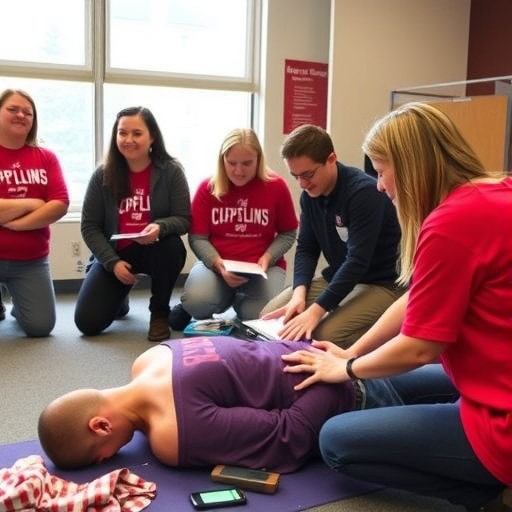
The campaign’s approach integrated crucial elements of risk recognition with Hands-Only CPR training, a simplified resuscitation method endorsed by the AHA due to its efficacy in improving survival odds in out-of-hospital cardiac arrests. Physiologically, immediate initiation of chest compressions maintains coronary and cerebral perfusion pressure during cardiac standstill, critically preserving organ viability until advanced medical interventions can be deployed. By coupling HCM awareness with practical emergency response training, the initiative sought to empower communities with the knowledge and action skills essential for lifesaving intervention.
Public service announcements, meticulously crafted in both English and Spanish, formed the backbone of the campaign’s communication strategy. These messages emphasized the essential nature of understanding familial heart health history—a key factor in identifying individuals at risk for hereditary conditions like HCM—and promoted proactive health screenings. The deployment of PSAs across radio networks and direct on-campus demonstrations facilitated widespread engagement, reinforcing messages through repetition and cultural resonance. This bilingual, multimedia outreach model reflects best practices in health communication science, improving message retention and behavioral response across diverse populations.
Collaboration with Black and multicultural media platforms provided a critical extension to the campaign’s reach and credibility. Initiatives such as Sybil Wilkes’ “Check In & Check Up” series and institutional platforms like Black America Web enabled the campaign to infiltrate trusted community networks with scientifically accurate, urgent health information. The strategic timing around key observances such as HCM Awareness Day and CPR Awareness Week maximized visibility and community mobilization, generating hundreds of millions of impressions and thousands of content placements nationwide.
Expert voices, including Dr. Matthew Martinez, M.D., FAHA, FACC—a leading figure in sports cardiology and co-author of the 2024 AHA/ACC Guideline for HCM management—underscored the campaign’s scientific underpinnings. The guidelines emphasize early detection techniques, including echocardiographic evaluation and genetic testing, for individuals presenting with family history or unexplained syncope. Dr. Martinez articulated the vital synergy between raising disease awareness and operationalizing lifesaving interventions like Hands-Only CPR, highlighting the campaign’s innovative alignment of prevention with immediate response readiness.
The campaign’s educational efforts extended beyond digital and broadcast media into dynamic campus engagements. Interactive workshops and demonstrations were led at historically significant athletic events, including homecomings and rivalry games at institutions such as Hampton University and Howard University, as well as prominent athletic conferences like the Mid-Eastern Athletic Conference Basketball Tournament. These in-person engagements facilitated experiential learning and peer-to-peer advocacy, fostering an environment where heart health literacy is woven into campus culture and sustained through student-led initiatives like the AHA Heart Club.
In forging partnerships with academic and athletic leadership, the initiative laid a foundation for long-term community resilience against sudden cardiac death. Institutional endorsement and integration of HCM education into athletic training protocols represent essential steps in closing the gap between scientific knowledge and practical application. Moreover, the campaign’s culturally tailored messaging ensured that athletes and families from disproportionately affected demographics received information that was not only accessible but also respectful of their unique social and cultural contexts.
The inclusion of the United Negro College Fund Leadership Conference and the Hispanic Educational Technology Services Student Experience Summit & Showcase exemplifies the campaign’s expansive reach, engaging diverse student populations beyond athletics. Such platforms provided multidisciplinary exposure to heart health concepts, highlighting the intersection of education, technology, and community health equity. This holistic approach reflects a burgeoning trend in public health strategies that prioritize collaborative, cross-sector engagement for maximal impact.
Integral to this awareness and education initiative was the recognition that disparities in cardiac arrest survival rates often stem from differential access to CPR training and emergency response resources. By positioning Hands-Only CPR education at the campaign’s core, the AHA harnessed a skill-based intervention known to drastically improve survival odds. Research demonstrates that immediate bystander CPR can double or triple the likelihood of survival in sudden cardiac arrests, a statistic underscoring the critical nature of democratizing lifesaving knowledge.
The campaign’s successful culmination marks a significant milestone in addressing the silent but deadly threat posed by HCM to young athletes, particularly those from medically underserved communities. It demonstrates the power of sustained, culturally responsive health education combined with actionable training to transform public awareness into practical, lifesaving outcomes. Funding support from the Bristol Myers Squibb Foundation was pivotal in enabling this comprehensive, multifaceted initiative, exemplifying the impact of public-private partnerships in advancing cardiovascular health equity.
Looking ahead, the American Heart Association plans to continue building on the momentum generated by this campaign. Ongoing efforts will focus on expanding Heart Clubs and reinforcing collaborations with educational institutions and athletic organizations nationwide. The long-term vision is to embed heart health literacy and emergency preparedness as fundamental components of youth athletic programs, thereby institutionalizing preventative cardiology while nurturing empowered, health-conscious communities prepared to act swiftly in cardiac emergencies.
For medical professionals and public health practitioners, this campaign offers a robust framework for targeting inherited cardiovascular conditions through community-centric strategies that integrate education, empowerment, and equitable access. As hypertrophic cardiomyopathy remains a formidable challenge in sports medicine and cardiology, these initiatives chart a promising course toward reducing sudden cardiac death and fostering a culture of heart health vigilance among the next generation of athletes.
Subject of Research: Hypertrophic Cardiomyopathy Awareness and Sudden Cardiac Death Prevention in Young Athletes
Article Title: American Heart Association’s Groundbreaking HCM Awareness Campaign Empowers At-Risk Communities Through Education and Hands-Only CPR Training
News Publication Date: February 25, 2026
Web References:
- https://www.heart.org/en/health-topics/cardiomyopathy/what-is-cardiomyopathy-in-adults/hcm-in-young-adults-and-student-athletes
- https://cpr.heart.org/en/cpr-courses-and-kits/hands-only-cpr/hands-only-cpr-resources
- https://www.thepsamarket.com/radio/english/american-heart-association-brings-awareness-to-hypertrophic-cardiomyopathy-in-youth-and-student-athl/s/19c39433-84a0-4d50-8e5a-1079f9a0df50
- https://www.thepsamarket.com/radio/spanish/la-american-heart-association-crea-conciencia-sobre-la-miocardiopat-a-hipertr-fica-en-deportistas-j-/s/b57a6951-02a3-4338-ad3f-89e1db17dead
- https://blackpressusa.com/american-heart-association-partners-with-the-black-press-for-groundbreaking-black-health-symposium/
Keywords: Hypertrophic Cardiomyopathy, Sudden Cardiac Death, Hands-Only CPR, Health Disparities, Cardiovascular Education, HBCU, Hispanic-Serving Institutions, Sports Cardiology, Health Equity, Public Health Campaign


