

Saturday, July 11, 2026
Science
No Result
View All Result
  • Login
  • HOME
  • SCIENCE NEWS
  • CONTACT US
  • HOME
  • SCIENCE NEWS
  • CONTACT US
No Result
View All Result
Scienmag
No Result
View All Result
Home Science News Medicine

Multi-Omics Reveal DNA Methylation Changes in Obesity Rat Model

July 11, 2026
in Medicine
Reading Time: 2 mins read
0
Multi-Omics Reveal DNA Methylation Changes in Obesity Rat Model

Multi-Omics Reveal DNA Methylation Changes in Obesity Rat Model

65
SHARES
587
VIEWS
Share on FacebookShare on Twitter
ADVERTISEMENT

A groundbreaking study has revealed a surprising link between tyrosine kinase inhibitors (TKIs), widely used in cancer therapy, and the development of obesity. Scientists have uncovered that LPM4870108, a novel TKI known for its antitumor properties, influences obesity through complex epigenetic mechanisms, particularly DNA methylation. This discovery, stemming from an integrative multi-omics analysis, opens new avenues for understanding the molecular underpinnings of obesity and the unintended metabolic effects of cancer drugs.

Obesity, a chronic and multifactorial disease, has long been associated with genetic and environmental factors. However, the role of epigenetics—heritable changes in gene function without alterations in the DNA sequence—has gained increasing attention. DNA methylation, the addition of methyl groups to DNA molecules, plays a crucial role in regulating gene expression. Dysregulation of this process has been implicated in metabolic disorders, including obesity. The current research places LPM4870108 at the intersection of these intricate biological processes.

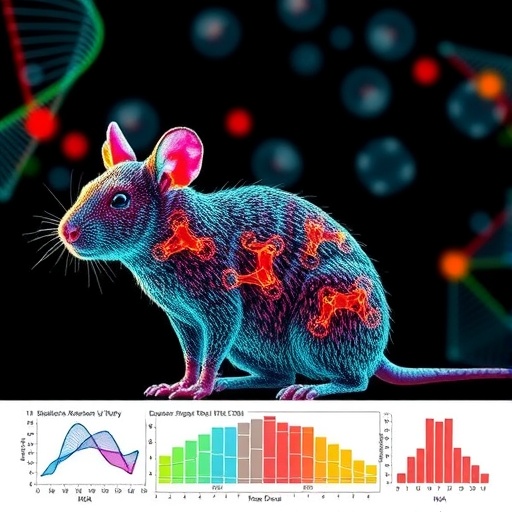
The investigative team employed a sophisticated rat model treated with LPM4870108 to mimic drug-induced obesity. Using state-of-the-art multi-omics techniques, they integrated data from DNA methylome profiling and transcriptomic analysis to decipher molecular alterations induced by the drug. Their approach allowed a comprehensive view of how LPM4870108 modulates epigenetic marks and downstream gene expression patterns relevant to obesity.

Results demonstrated that exposure to LPM4870108 resulted in widespread changes in DNA methylation landscapes across metabolic tissues. These epigenetic modifications corresponded to significant shifts in the transcriptional activity of genes governing lipid metabolism, insulin signaling, and adipogenesis. The study highlights the drug’s capacity to reprogram metabolic pathways through epigenetic remodeling, which may contribute to the observed increase in adiposity in treated rats.

Intriguingly, this research underscores the dual-edged nature of TKIs. While they exhibit potent anticancer effects via targeting aberrant tyrosine kinase pathways, they may also inadvertently interfere with epigenetic regulation, fostering metabolic side effects such as obesity. This insight prompts a reevaluation of TKI therapeutic windows and inspires the development of strategies to mitigate off-target metabolic consequences during cancer treatment.

The implications extend beyond pharmacology, offering new perspectives on epigenetic plasticity in obesity pathophysiology. Understanding how external agents like LPM4870108 orchestrate epigenomic alterations enriches the broader narrative of obesity as an epigenetically driven disease. It also paves the way for exploring epigenetic therapies that could counteract drug-induced metabolic dysregulation.

Further research is warranted to delineate the precise molecular circuits affected by LPM4870108 and to assess whether these findings translate to clinical realities in humans. Additionally, investigating whether similar TKIs share this epigenetic influence could reshape drug safety profiles and obesity management.

In sum, the study illuminates a previously unrecognized molecular crosstalk between cancer therapeutics and metabolic disease, revealing DNA methylation as a key mediator. These findings herald an era in which cancer drugs are scrutinized not only for their oncological efficacy but also for their epigenetic and metabolic ramifications, ultimately improving patient care through interdisciplinary insights.


Subject of Research: The impact of tyrosine kinase inhibitor LPM4870108 on obesity via epigenetic DNA methylation mechanisms

Article Title: Integrative multi-omics analysis of DNA methylome and transcriptome in a tyrosine kinase inhibitor LPM4870108-induced rat model of obesity

Article References:
Yuan, B., Jin, X., Li, C. et al. Integrative multi-omics analysis of DNA methylome and transcriptome in a tyrosine kinase inhibitor LPM4870108-induced rat model of obesity. Int J Obes (2026). https://doi.org/10.1038/s41366-026-02157-5

Image Credits: AI Generated

DOI: 10 July 2026

Tags: DNA methylation in cancer therapyDNA methylation profiling in rat modelsdrug-induced epigenetic changes in obesityepigenetic regulation of metabolic disordersgene expression alterations due to TKIsimpact of cancer drugs on epigenetic landscapeintegrative omics approaches in metabolic diseasemolecular mechanisms of obesity developmentmulti-omics analysis in obesity researchnovel insights into obesity pathogenesisobesitytyrosine kinase inhibitors and metabolic side effects
Share26Tweet16
Previous Post

Plasma pTau217 and pTau231 Forecast Dementia Progression in Parkinson’s Disease

Next Post

Long-Term Home Deep Sleep Modulation Shows Promise in Parkinson’s Disease

Related Posts

Long-Term Home Deep Sleep Modulation Shows Promise in Parkinson’s Disease
Medicine

Long-Term Home Deep Sleep Modulation Shows Promise in Parkinson’s Disease

July 11, 2026
Plasma pTau217 and pTau231 Forecast Dementia Progression in Parkinson’s Disease
Medicine

Plasma pTau217 and pTau231 Forecast Dementia Progression in Parkinson’s Disease

July 11, 2026
Nursing Students Explore Caring for Older Adults in Home Care Settings
Medicine

Nursing Students Explore Caring for Older Adults in Home Care Settings

July 11, 2026
PRMT6 Promotes Blood Vessel Growth in Colorectal Cancer
Medicine

PRMT6 Promotes Blood Vessel Growth in Colorectal Cancer

July 11, 2026
Polyunsaturated Fatty Acid Synthesis Influences Ferroptosis Sensitivity with Low Arachidonic Acid
Medicine

Polyunsaturated Fatty Acid Synthesis Influences Ferroptosis Sensitivity with Low Arachidonic Acid

July 11, 2026
Real-Time Pain and Activity Patterns in Older Adults with Chronic Pain
Medicine

Real-Time Pain and Activity Patterns in Older Adults with Chronic Pain

July 11, 2026
Next Post
Long-Term Home Deep Sleep Modulation Shows Promise in Parkinson’s Disease

Long-Term Home Deep Sleep Modulation Shows Promise in Parkinson’s Disease

  • Mothers who receive childcare support from maternal grandparents show more

    Mothers who receive childcare support from maternal grandparents show more parental warmth, finds NTU Singapore study

    27656 shares
    Share 11059 Tweet 6912
  • University of Seville Breaks 120-Year-Old Mystery, Revises a Key Einstein Concept

    1061 shares
    Share 424 Tweet 265
  • Bee body mass, pathogens and local climate influence heat tolerance

    682 shares
    Share 273 Tweet 171
  • Researchers record first-ever images and data of a shark experiencing a boat strike

    546 shares
    Share 218 Tweet 137
  • Groundbreaking Clinical Trial Reveals Lubiprostone Enhances Kidney Function

    531 shares
    Share 212 Tweet 133
Science

Embark on a thrilling journey of discovery with Scienmag.com—your ultimate source for cutting-edge breakthroughs. Immerse yourself in a world where curiosity knows no limits and tomorrow’s possibilities become today’s reality!

RECENT NEWS

  • Widespread Nitrous Oxide Undersaturation Found in U.S. Lakes This Summer
  • Long-Term Home Deep Sleep Modulation Shows Promise in Parkinson’s Disease
  • Multi-Omics Reveal DNA Methylation Changes in Obesity Rat Model
  • Plasma pTau217 and pTau231 Forecast Dementia Progression in Parkinson’s Disease

Categories

  • Agriculture
  • Anthropology
  • Archaeology
  • Athmospheric
  • Biology
  • Biotechnology
  • Blog
  • Bussines
  • Cancer
  • Chemistry
  • Climate
  • Earth Science
  • Editorial Policy
  • Marine
  • Mathematics
  • Medicine
  • Pediatry
  • Policy
  • Psychology & Psychiatry
  • Science Education
  • Social Science
  • Space
  • Technology and Engineering

Subscribe to Blog via Email

Enter your email address to subscribe to this blog and receive notifications of new posts by email.

Join 5,146 other subscribers

© 2025 Scienmag - Science Magazine

Welcome Back!

Login to your account below

Forgotten Password?

Retrieve your password

Please enter your username or email address to reset your password.

Log In
No Result
View All Result
  • HOME
  • SCIENCE NEWS
  • CONTACT US

© 2025 Scienmag - Science Magazine

Discover more from Science

Subscribe now to keep reading and get access to the full archive.

Continue reading
