


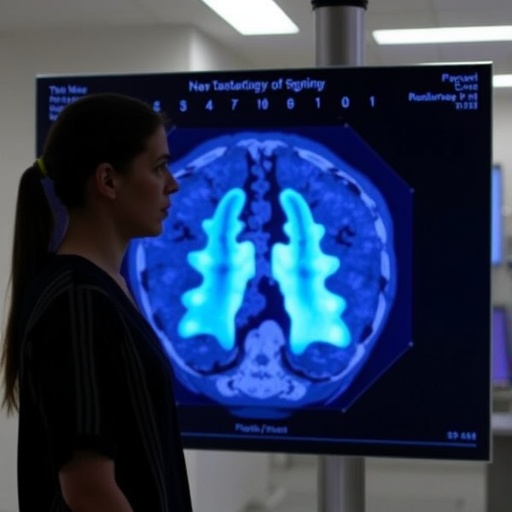
A groundbreaking study conducted by a team of researchers led by Martin, J. and colleagues has fundamentally altered the landscape of cancer diagnostics in England. With the increasing prevalence of various cancer types, the researchers focused on the potential impact of a multi-cancer early detection (MCED) screening program. This program is designed to identify multiple types of cancer at early stages, promoting timely treatment and improved outcomes. The findings, as published in the British Journal of Cancer, emphasize the critical need for adapting healthcare resources to accommodate the anticipated demand for diagnostics stemming from such innovative programs.
The MCED screening program leverages advanced diagnostic technologies, including genomic sequencing and liquid biopsy techniques that can detect cancer markers circulating in the blood. As these cutting-edge methods are integrated into standard screening practices, the demand for diagnostic services is expected to rise significantly. The question now is whether the existing healthcare infrastructure can meet these growing demands without sacrificing quality or accessibility.
In analyzing the potential impact of the MCED program, the researchers utilized sophisticated modeling techniques to project how many additional diagnostic tests would be needed. By simulating a range of scenarios, they were able to quantify the increase in diagnostics required for various cancer types. This approach provides an evidence-based framework for policymakers and public health officials to make informed decisions regarding resource allocation.
One of the more striking findings from the study indicated that the implementation of the MCED program could lead to a potential increase in the demand for diagnostic tests by almost 50%. This significant uptick poses considerable challenges. Hospitals and clinics will need to equip themselves with enhanced facilities and staffing to manage the influx of patients seeking diagnostic services.
Equally noteworthy is the fact that early cancer detection has been correlated with markedly improved survival rates. According to the research, identifying cancers at earlier stages can reduce mortality rates substantially. Therefore, the implications of the MCED program extend beyond immediate diagnostic needs and into the realm of broader public health benefits. If successful, this program could ultimately save thousands of lives each year.
Moreover, discrepancies in access to these screening programs could raise concerning health equity issues. Disparities in diagnostic access often correlate with socioeconomic factors, potentially leaving underserved populations at a disadvantage. The researchers urge the government to implement measures that ensure equitable access to MCED screenings across all demographics. The MCED program should not only be a beacon of hope for individuals at risk for cancer but also a standard accessible to all segments of the population, regardless of their economic status.
On a technical level, the integration of AI-driven tools in diagnostic processes promises to further streamline the screening experience for patients. Algorithms that analyze patient data for patterns indicative of cancer could significantly improve the accuracy of screenings. Consequently, faster identification and analysis could reduce the stress associated with waiting for results and allow for quicker initiation of treatment plans, enhancing overall patient experience.
While discussions around the MCED program are gaining momentum, the training of healthcare providers is equally crucial. Medical professionals must be equipped with the knowledge and skills needed to navigate this evolving landscape of cancer diagnostics. Continuous professional development opportunities should become a standard requirement to keep pace with advancements in screening technology and emerging treatment protocols.
The detailed computational models created by Martin’s team also reflect the potential economic implications of the MCED program. Investments in diagnostic infrastructure and human resources may seem daunting initially, but the long-term benefits of reducing late-stage cancer diagnoses could drastically offset these costs. Furthermore, enhancing the capacity for early detection may translate into fewer expensive treatments required for advanced cancer cases.
The research shines a light on the multifaceted nature of implementing a successful MCED screening program, emphasizing not only the technical and logistical challenges but also the ethical and societal implications. Policymakers are encouraged to view the program as an opportunity to redefine cancer diagnostics in a way that prioritizes patient welfare while also addressing broader public health concerns.
As the global community grapples with ongoing healthcare challenges, the findings of this study serve as a reminder of the importance of investing in prevention rather than solely focusing on treatment. An emphasis on preventive healthcare, particularly in the realm of cancer, can yield significant returns both in terms of population health outcomes and economic savings for the healthcare system as a whole.
In conclusion, the prospective implementation of a multi-cancer early detection screening program represents a significant advancement in the realm of oncology. By effectively modeling the expected demand for diagnostics and advocating for equitable access, Martin and his colleagues have set the stage for a transformative shift in how cancer is diagnosed and treated. As healthcare providers and policymakers brace for these changes, one thing remains clear: the focus on early detection is a crucial strategy in the ongoing battle against cancer.
Martin, J., Jones, D.A., Ellis, L. et al. Modelled impact of a multi-cancer early detection screening programme on the demand for diagnostics in England.
Br J Cancer (2026). https://doi.org/10.1038/s41416-025-03331-8
Cite Scienmag News
Nathaniel Bowman. (January 31, 2026). Multi-Cancer Screening: Revolutionizing Diagnostics Demand in England. Scienmag. https://scienmag.com/multi-cancer-screening-revolutionizing-diagnostics-demand-in-england/
Nathaniel Bowman. "Multi-Cancer Screening: Revolutionizing Diagnostics Demand in England." Scienmag, 31 January 2026, https://scienmag.com/multi-cancer-screening-revolutionizing-diagnostics-demand-in-england/. Accessed 3 September 2026.
Nathaniel Bowman. "Multi-Cancer Screening: Revolutionizing Diagnostics Demand in England." Scienmag. January 31, 2026. https://scienmag.com/multi-cancer-screening-revolutionizing-diagnostics-demand-in-england/


