

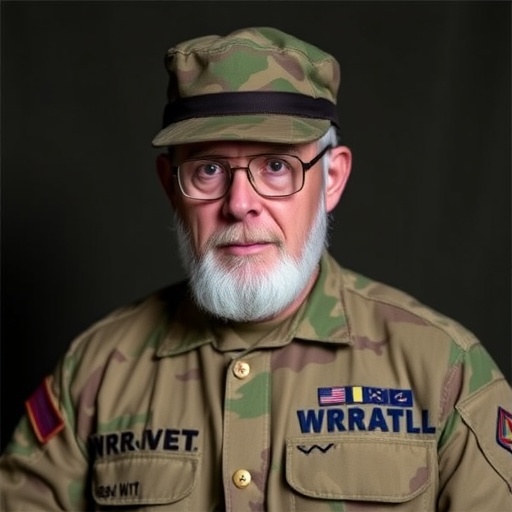
In recent years, the psychological well-being of military veterans has gained increasing attention from researchers and healthcare professionals worldwide. A groundbreaking study published in BMC Psychology in 2025 by Campbell, Biscoe, Bonson, and colleagues delves deeply into the complex interplay between morally injurious events, moral injury, and somatic health symptoms among UK military veterans. This cross-sectional study not only unravels the unsettling psychological consequences faced by veterans exposed to potential morally injurious experiences but also highlights the somatic manifestations of such profound inner turmoil.
Morally injurious events (PMIEs) refer to situations where individuals perpetrate, fail to prevent, or witness acts that transgress their deeply held moral beliefs and values. Unlike post-traumatic stress disorder (PTSD), which primarily revolves around fear-based traumatic responses, moral injury centers on the pervasive guilt, shame, and ethical conflict arising from these events. The differentiation between PTSD and moral injury has crucial implications for targeted therapeutic interventions and veteran support strategies. The new research underscores that PMIEs can deeply disturb veterans’ psychological equilibrium and manifest as somatic symptoms, illustrating an intricate mind-body connection.
The research team employed rigorous cross-sectional methodology, surveying a robust sample of UK military veterans from diverse operational backgrounds. Utilizing validated psychometric scales for assessing exposure to potential morally injurious events, moral injury severity, and a range of physical health symptoms, the study untangles complex correlations that have previously evaded comprehensive scrutiny. This extensive data collection enables a granular analysis of how moral injury may present not only mentally but with tangible effects on physical health – symptoms often neglected in veteran care paradigms.
One of the most striking revelations of the study is the strong association between exposure to PMIEs and the prevalence of somatic symptoms such as chronic pain, gastrointestinal disturbances, fatigue, and cardiovascular complaints. These physical manifestations often coexist alongside psychological distress, suggesting an overlapping neurobiological substrate. This discovery prompts reconsideration of holistic veteran care models to encompass both mental and physical health dimensions, guided by nuanced understandings of moral injury’s impact.
The study sheds light on potential underlying mechanisms explaining the somatic symptomatology linked to moral injury. Persistent psychological distress may dysregulate physiological systems through chronic activation of the hypothalamic-pituitary-adrenal (HPA) axis, inflammatory pathways, and autonomic nervous system imbalance. Such biological dysregulation can precipitate and perpetuate a spectrum of somatic complaints, effectively translating emotional pain into physical suffering. These insights bridge the long-standing mind-body dichotomy and illustrate the need for integrated treatment approaches.
Importantly, the research introduces the concept that morally injurious events are not merely traumatic experiences but are qualitatively different in their existential impact. Veterans often grapple with a shattered moral framework, which can engender a crisis of identity and social alienation. This moral dissonance fuels emotional dysregulation and exacerbates somatic distress, creating a feedback loop that complicates recovery. Recognizing and addressing this moral dimension is essential for effective intervention.
The investigative team also explored demographic and military service factors influencing vulnerability to moral injury and its somatic consequences. Factors such as rank, combat exposure intensity, and unit cohesion might modulate the psychological and physical outcomes witnessed in veterans. These nuanced variables provide fertile ground for personalized medicine approaches and preventive strategies within military mental health services.
Another pivotal aspect of the study is its emphasis on measurement and diagnostic clarity regarding moral injury. Employing standardized tools enables consistent identification of PMIE exposure and moral injury symptoms, which has historically been a challenge. Enhanced diagnostic clarity supports research reproducibility and the development of evidence-based therapeutics tailored specifically to moral injury rather than confounding it with conventional PTSD diagnoses.
The research team advocates for the integration of moral injury concepts into clinical practice guidelines for veteran mental health care. Such integration would encourage clinicians to screen diligently for PMIE exposure and to consider moral injury as a distinct clinical entity. Furthermore, integrating somatic symptom assessments can aid comprehensive care planning. This approach promises to enhance therapeutic efficacy and veteran quality of life substantially.
Contemporary interventions suggested for moral injury incorporate components such as cognitive reframing, narrative restitution, self-forgiveness, and community reintegration support. The study highlights the necessity of incorporating somatic symptom management through interdisciplinary collaboration involving psychiatrists, psychologists, and somatic medicine specialists. This multi-pronged approach reflects the complexity and heterogeneity of moral injury presentations.
From a public health perspective, recognizing moral injury’s widespread somatic burden accentuates the imperative for policy shifts in veteran healthcare systems. Funding allocations must prioritize research and clinical programs that address moral injury holistically. Raising awareness among military leadership and veteran organizations about the insidious effects of moral injury can foster stigma reduction, encourage help-seeking behavior, and facilitate earlier intervention.
The implications of the study extend beyond military populations into other high-stress professions prone to moral injury, such as healthcare workers, first responders, and humanitarian aid personnel. Transdisciplinary research inspired by these findings can catalyze broader frameworks for understanding and treating moral injury across diverse domains, thereby amplifying the study’s impact.
In concluding their comprehensive research, Campbell et al. call for longitudinal studies to unravel the temporal dynamics of moral injury and its physical health sequelae. Such longitudinal data are critical for disentangling causality, identifying risk trajectories, and evaluating intervention efficacy over time. This future research direction promises to deepen scientific understanding and optimize veteran and civilian care paradigms alike.
Ultimately, this seminal study compellingly illustrates that the wounds of war extend far beyond the battlefield, permeating the moral fabric and bodily health of veterans in profound ways. By illuminating the complex associations between potential morally injurious events, moral injury, and somatic symptoms, it paves the way for transformative shifts in clinical practice, research priorities, and veteran policy frameworks.
As global awareness of moral injury grows, studies such as this one catalyze a paradigm shift towards compassionate, comprehensive care that acknowledges the multifaceted injuries borne by those who serve. Such efforts honor their sacrifices and embody humanity’s enduring commitment to healing body and soul.
Subject of Research: The association among potential morally injurious events, moral injury, and somatic symptoms of health in UK military veterans.
Article Title: Association of potential morally injurious events, moral injury and somatic symptoms of health in UK military veterans: a cross-sectional study.
Article References: Campbell, G.M., Biscoe, N., Bonson, A. et al. Association of potential morally injurious events, moral injury and somatic symptoms of health in UK military veterans: a cross-sectional study. BMC Psychol (2025). https://doi.org/10.1186/s40359-025-03788-5
Image Credits: AI Generated


