


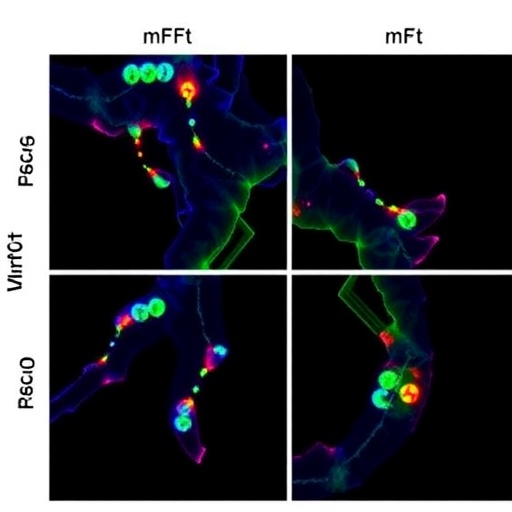
In a groundbreaking study published in Reproductive Sciences, researchers have elucidated the complex relationships between endometrial mesenchymal stem cells (eMSCs), exosomes, and the pathophysiology of adenomyosis. This condition, characterized by the presence of endometrial tissue within the uterine walls, has long been linked to severe pelvic pain and infertility. However, the molecular mechanisms underpinning adenomyosis remain poorly understood. The study led by Qiu, Wei, and Cao represents a significant stride in our understanding of how exosome-derived microRNAs can influence macrophage behavior and promote epithelial-mesenchymal transition (EMT).
The cornerstone of this investigation revolves around exosomes—nano-sized extracellular vesicles that act as critical mediators of intercellular communication. Emerging evidence suggests that eMSCs are prolific sources of exosomes, which convey various molecular messages, including microRNAs like miR-4669. These molecular carriers have garnered attention for their role in facilitating both physiological processes and pathological conditions. The researchers specifically focused on the functions of miR-4669, postulating that it may play a pivotal role in establishing the microenvironment conducive to adenomyosis progression.
In their experimental setup, the research team employed a sophisticated model to evaluate the effects of miR-4669 on epithelial-mesenchymal transition in the context of adenomyosis. The study reveals a compelling narrative whereby eMSC-derived exosomal miR-4669 promotes EMT, thereby enhancing the invasive properties of endometrial cells. This mechanism involves the activation of the DUSP6/ERK signaling pathway, a pathway essential for regulating cellular responses to environmental stress and promoting inflammatory processes.
One of the standout findings is the role of M2 macrophage polarization, which is notably influenced by miR-4669. M2 macrophages are known for their anti-inflammatory properties and play a significant role in tissue repair. However, in the context of adenomyosis, their accumulation can facilitate a pro-fibrotic and pro-angiogenic environment, exacerbating the disease state. The research identifies a novel mechanism by which miR-4669 encourages the recruitment and polarization of M2 macrophages, highlighting a potential target for therapeutic intervention.
In conjunction with the examination of macrophage behavior, the research meticulously details how the DUSP6/ERK pathway functions as a critical downstream mediator of miR-4669 activity. When activated, this pathway can lead to enhanced cell proliferation and differentiation, which are key processes driving the EMT necessary for adenomyosis progression. By demonstrating a direct link between miR-4669, macrophage polarization, and the DUSP6/ERK pathway, the researchers lay the groundwork for future studies aimed at developing targeted therapies.
Moreover, the potential clinical implications of this research cannot be overstated. Adenomyosis is often underdiagnosed and poorly understood; consequently, women suffering from this disorder may not receive adequate care. By unveiling the role of miR-4669, this study paves the way for novel diagnostic markers or therapeutic targets that can disrupt the progression of adenomyosis. Such advancements could significantly change the clinical landscape for affected individuals, leading to improved treatment strategies.
Furthermore, the implications of this research extend beyond adenomyosis alone. The findings shed light on broader themes of cell communication and interplays within the tumor microenvironment, particularly the roles of stem cells and macrophages in various pathologies. Understanding the dynamics of exosomal communication may usher in an era of innovative therapies across multiple forms of cancer and inflammation-driven diseases.
In summary, the work of Qiu, Wei, and Cao provides a compelling glimpse into the pathophysiology of adenomyosis by highlighting the importance of exosomal miR-4669 in mediating macrophage polarization and EMT through the DUSP6/ERK signaling pathway. By connecting these seemingly disparate elements, the study offers a coherent narrative that not only enhances our understanding of adenomyosis but also opens pathways for future research and therapeutic strategies.
The intricate web of intercellular communication orchestrated by exosomes presents an exciting frontier in biomedical research. As scientists continue to probe the molecular intricacies of disease progression, especially in conditions like adenomyosis, studies such as this one will be crucial. The insights gained from understanding exosomal contents and their targets could yield unparalleled advancements in personalized medicine, where treatments are tailored to individual molecular profiles rather than a one-size-fits-all approach.
Looking ahead, further validation of these findings in larger cohorts will be essential to solidify the clinical relevance of miR-4669 as a therapeutic target in adenomyosis. Additionally, expanding the scope of research to include other microRNAs and their roles within exosomes will provide a more comprehensive understanding of the multifaceted mechanisms at play in reproductive health and disease.
In conclusion, the research detailing the role of miR-4669 in adenomyosis serves as both an enlightening exploration of a specific pathological process and a broader commentary on the importance of exosomal biology in disease. It underlines the pressing need for ongoing investigations into the complex interactions that define health and disease states, particularly in conditions that profoundly affect women’s lives.
Cite Scienmag News
Ophelia Keating. (August 27, 2025). miR-4669 in Adenomyosis Boosts EMT via M2 Macrophages. Scienmag. https://scienmag.com/mir-4669-in-adenomyosis-boosts-emt-via-m2-macrophages/
Ophelia Keating. "miR-4669 in Adenomyosis Boosts EMT via M2 Macrophages." Scienmag, 27 August 2025, https://scienmag.com/mir-4669-in-adenomyosis-boosts-emt-via-m2-macrophages/. Accessed 5 September 2026.
Ophelia Keating. "miR-4669 in Adenomyosis Boosts EMT via M2 Macrophages." Scienmag. August 27, 2025. https://scienmag.com/mir-4669-in-adenomyosis-boosts-emt-via-m2-macrophages/


