

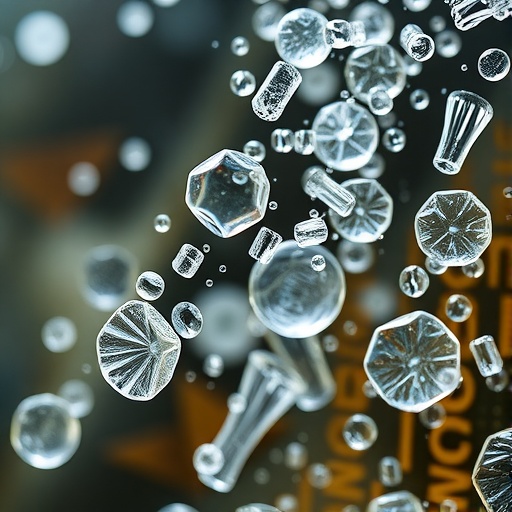
Plastic pollution presents an escalating crisis, with micro and nano-sized plastics infiltrating every corner of the environment. A recent article published in Environmental Monitoring and Assessment sheds light on this urgent issue, particularly focusing on the fate of micro and nano-plastics and bioplastics within anaerobic digestion systems. As plastic consumption continues to rise globally, understanding how these materials behave in such processes is crucial to developing effective treatment and management strategies.
Micro and nano-plastics, defined as plastic particles smaller than 5 mm, are a testament to the longevity of plastic in the environment. Not only do they pose risks to wildlife through ingestion, but they also have larger implications for human health and ecosystem functionality. This review meticulously explores the pathways through which these particles enter anaerobic digestion systems, which are often employed for organic waste treatment, revealing critical insights essential for environmental science.
In anaerobic digestion, organic matter is decomposed by microorganisms in the absence of oxygen. This process produces biogas, a renewable energy source, and digestate, a nutrient-rich fertilizer. The presence of micro and nano-plastics in this process raises significant concerns. The review discusses how these particles can influence the microbial community structure, potentially affecting the efficiency of the digestion process. Disruption in these microbial ecosystems can lead to reduced biogas production and lower overall digestate quality, exacerbating issues related to waste management.
The review also delves into the potential impacts of bioplastics, which are often marketed as environmentally-friendly alternatives to conventional plastics. While bioplastics are designed to degrade more readily, their interactions with anaerobic microorganisms remain inadequately understood. The findings suggest that while some bioplastics may be more compatible with anaerobic digestion, others could introduce complications, potentially complicating waste treatment efforts. Understanding these dynamics is critical for optimizing the use of bioplastics in waste management systems.
Furthermore, the article emphasizes the mechanical and chemical properties of micro-nano-plastics, which can alter the solubility and bioavailability of nutrients in anaerobic conditions. The modifications in nutrient cycling can have far-reaching implications on the performance of anaerobic digesters. An increased presence of these plastics can hinder the breakdown of organic matter, thereby affecting not only energy recovery but also nutrient recycling.
It is imperative to recognize that the fate of micro and nano-plastics is not uniform across different anaerobic digestion settings. Variations in reactor configurations, operational parameters, and feeding strategies significantly impact how these particles behave during the digestion process. By conducting a thorough analysis of these variables, researchers can derive recommendations for enhancing the resilience of anaerobic digestion systems against plastic pollution.
In light of the complexities surrounding micro-plastics, additional research is essential to develop effective management strategies. The article calls for an interdisciplinary approach that incorporates microbial ecology, material science, and waste management principles to address the multifaceted challenges posed by plastic pollution. Such collaborations promise not only to improve digestion performance but also to illuminate pathways towards circular economy models that reduce plastic dependency.
In conclusion, the review elucidates a pressing need for deeper investigations into the interplay of micro-nano-plastics, bioplastics, and anaerobic digestion. Addressing this complexity is paramount for ensuring that waste treatment systems can function effectively in a world increasingly populated by synthetic materials. As research progresses, it is hoped that new technologies and methodologies will emerge to combat plastic pollution and improve the sustainability of waste management systems.
The insights provided by Srivastava and colleagues pave the way for future studies that can inform policy and practice in mitigating plastic pollution’s adversarial impacts on organic waste treatment processes. As scientific understanding of these trends expands, it should provide the foundation for actionable solutions that prioritize both ecological health and sustainability.
The ramifications of this research extend beyond academia, impacting stakeholders in policy-making, environmental agencies, waste management companies, and the public. By raising awareness of these issues and encouraging responsible waste practices, this review could catalyze changes in consumer behavior and foster innovations in waste processing technologies.
Regardless of the progress made in understanding the fate of micro and nano-plastics, it remains clear that proactive measures are necessary to curb the proliferation of plastics. Policymakers must prioritize research funding and collaboration, facilitating the exploration of new materials and waste handling procedures that do not compromise ecosystem integrity. The coming years will be crucial in determining how effectively society can adapt to the persistent challenges posed by plastic waste.
Ultimately, the interplay between human activity, technological development, and waste management will define our success in tackling plastic pollution. The review by Srivastava and his co-authors is a vital step in unraveling this intricate relationship and signals a growing recognition of the need for integrated, science-based approaches to environmental stewardship in the face of a plastic pandemic.
Subject of Research: The fate and influence of micro-nano-plastics and bioplastics in anaerobic digestion processes.
Article Title: A review on fate and influence of micro-nano-plastics and bioplastics in anaerobic digestion: mechanistic insights, prospectives, and recommendations.
Article References:
Srivastava, A.N., R., S. & Sikarwar, V.S. A review on fate and influence of micro-nano-plastics and bioplastics in anaerobic digestion: mechanistic insights, prospectives, and recommendations.
Environ Monit Assess 198, 191 (2026). https://doi.org/10.1007/s10661-026-15033-6
Image Credits: AI Generated
DOI: https://doi.org/10.1007/s10661-026-15033-6
Keywords: Micro-plastics, Nano-plastics, Bioplastics, Anaerobic digestion, Environmental impact, Waste management.


