


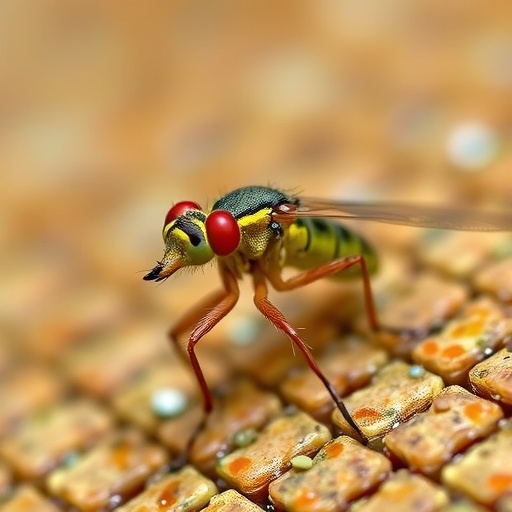
The presence of microplastics in aquatic ecosystems has emerged as a pressing environmental concern over recent years. This study, conducted in the Ergene River in the European part of Türkiye, offers a critical examination of how microplastics pose hazards to freshwater ecosystems, particularly through the lens of chironomid larvae, a vital component of these aquatic environments. These small, fly-like insects are often found in a variety of water bodies and are considered excellent bioindicators for assessing the health of freshwater systems. Their responses to environmental stressors, including microplastic contamination, make them valuable subjects for research.
Microplastics, defined as plastic particles less than five millimeters in size, originate from various sources, including the breakdown of larger plastic debris and the direct disposal of microbeads found in personal care products. Their ubiquitous nature has raised alarms as they infiltrate even the most remote freshwater ecosystems. The Ergene River, a historically significant watercourse, has been subjected to industrial pollution and urban runoff, making it a particularly relevant site for such investigations. Understanding the interactions between microplastics and chironomid larvae in this river can provide insights into broader ecological implications.
Chironomid larvae inhabit sediments and interstitial spaces within freshwater ecosystems, rendering them likely to encounter microplastics in their environments. Their feeding behavior, which involves the ingestion of organic matter and sediment, raises questions about the bioaccumulation of microplastics and associated chemicals. The implications of their consumption extend beyond the individual larvae, posing potential risks to fish populations and other predators higher in the food chain. This study leverages the chironomid larvae’s role in elucidating the consequences of microplastic contamination in the Ergene River, shedding light on potential ecological ramifications that might arise.
In the assessment process, researchers employed various methodologies to quantify the levels of microplastics present in water samples and sediment from the Ergene River. By collecting samples across different locations and times, they aimed to capture a holistic view of microplastic distribution. The analysis involved using a combination of microscopy, chemical identification methods, and statistical modeling to better understand the abundance and types of microplastics encountered. This comprehensive approach ensures robust data, which is crucial for drawing valid conclusions about microplastics’ impact on chironomid larvae.
The results gathered from this study revealed alarming concentrations of microplastics in both water and sediment samples. The types of microplastics found were varied, consisting primarily of fibers and fragments, which can enter the river from textile waste and packaging debris. This finding underscores the importance of addressing plastic pollution at the source to mitigate environmental impacts effectively. Given the detected levels of microplastic contamination, one can hypothesize potential pathways of toxicity, particularly for organisms that inhabit these ecosystems.
The interaction between chironomid larvae and microplastics was explored further through controlled laboratory experiments, where larvae were exposed to known concentrations of microplastics. Observations indicated alterations in feeding behavior and growth rates, emphasizing the potential physiological stress microplastics impose on these organisms. Behavioral changes in chironomid larvae could indicate broader ecosystem imbalances, altering food web dynamics and affecting species diversity within these freshwater habitats.
A significant concern arises regarding the long-term implications of microplastic consumption on chironomid larvae. The chronic exposure to plastic particles poses risks not only on the individual level but also can lead to eventual population declines if toxic effects become pronounced. Understanding the cascading consequences of such declines on the food chain is crucial, as chironomids serve as a food source for various freshwater fish and invertebrate species. Reduced chironomid populations could impact predator species, leading to possible disruptions within the ecological balance.
Another compelling aspect of the study is the assessment of microplastics as carriers for pollutants and pathogens. Chironomid larvae, due to their feeding habits, may inadvertently ingest microplastics that have absorbed harmful substances such as heavy metals and pesticides from their surroundings. These toxins, once within the larvae, could bioaccumulate and even biomagnify along the food chain. Such ecological risks underscore the necessity for stricter regulations on plastic waste and better waste management practices within freshwater ecosystems.
The research also emphasizes the importance of public awareness and education regarding plastic pollution. While the scientific community holds a significant responsibility for uncovering the facts concerning microplastics in freshwater systems, it is equally vital to engage local communities. Educating the public could lead to improved practices in waste disposal and increased advocacy for cleaner environments. The role of communities in conserving aquatic biodiversity can’t be overlooked, as grassroots movements often push for systemic changes.
In conclusion, the assessment of microplastic hazards in freshwater ecosystems through the study of chironomid larvae in the Ergene River unveils critical insights into the urgent need for action against plastic pollution. The research reinforces the idea that every piece of plastic has the potential to alter the complex dynamics of freshwater ecosystems. The ramifications of these findings underline a growing recognition that protecting waterways is fundamental not only for biodiversity but for public health and environmental well-being as a whole.
In light of the overwhelming evidence surrounding microplastics and their detrimental effects on freshwater ecosystems, policymakers, scientists, and the public must unite in their efforts to reduce plastic pollution. Strategies must evolve from scientific comprehension and translate into actionable solutions that can mitigate the risks posed by microplastics, ensuring that aquatic habitats maintain their integrity for future generations.
Cite Scienmag News
Violet Maxwell. (January 5, 2026). Microplastic Threats to Freshwater: Chironomid Insights from Ergene. Scienmag. https://scienmag.com/microplastic-threats-to-freshwater-chironomid-insights-from-ergene/
Violet Maxwell. "Microplastic Threats to Freshwater: Chironomid Insights from Ergene." Scienmag, 5 January 2026, https://scienmag.com/microplastic-threats-to-freshwater-chironomid-insights-from-ergene/. Accessed 3 September 2026.
Violet Maxwell. "Microplastic Threats to Freshwater: Chironomid Insights from Ergene." Scienmag. January 5, 2026. https://scienmag.com/microplastic-threats-to-freshwater-chironomid-insights-from-ergene/


