

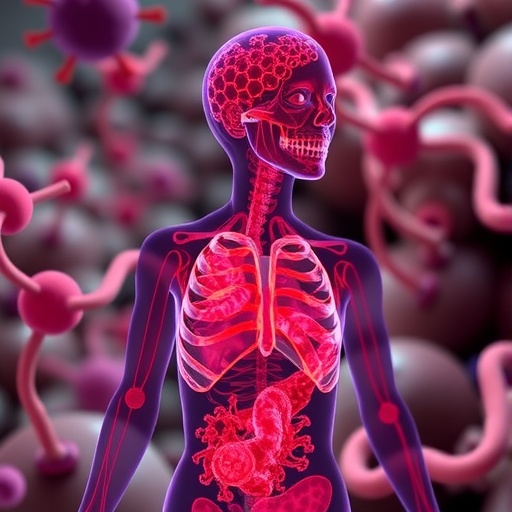
The alarming rise in food allergy incidence has become a pressing health concern across developed nations, with recent data indicating that between 5% and 8% of the population are affected, a prevalence that varies by country and age demographic. Notably, children exhibit a higher susceptibility to food allergies than adults, emphasizing the crucial interplay of diet, intestinal microbiota, and the maturation of the immune system in the pathogenesis of these conditions. Food allergies manifest as immune overreactions to specific dietary proteins, commonly triggered by allergens such as peanuts, nuts, milk, eggs, wheat, soy, sesame seeds, crab, and shrimp. These allergens engage multiple organ systems, including the gastrointestinal tract, respiratory pathways, and the skin, suggesting a systemic immune dysregulation.
The underlying cause of food allergies remains incompletely understood, yet it is widely attributed to an exaggerated type 2 immune response. This response involves the activation of T-helper 2 (Th2) cells, the production of immunoglobulin E (IgE), and the activation of mast cells, which collectively mediate allergic manifestations. Compounding this immune misdirection is the dysfunction of epithelial barriers in the skin and gut, which predisposes to heightened lymphocyte activation upon exposure to food antigens. Consequently, this compromised barrier integrity plays a pivotal role in the sensitization process leading to allergic reactions.
Recent studies have illuminated the critical role of short-chain fatty acids (SCFAs), microbial metabolites produced through the fermentation of dietary fibers, as protective agents against food allergies. Reduced levels of SCFAs, particularly butyrate, during early life are closely linked with increased food allergy risk. Butyrate exerts its protective effects by reinforcing intestinal barrier function; it mitigates stress-induced Notch signaling, thereby preserving tight junction integrity and reducing mucosal permeability. This mechanism has been substantiated through experimental models demonstrating that butyrate supplementation reduces anaphylactic reactions triggered by ovalbumin in mice.
Analyses of fecal samples reveal significant decreases in major SCFAs within allergic individuals. Among the commensal bacteria implicated, Prevotella copri, a prominent producer of acetate and propionate, is notably abundant in healthy subjects compared to those with food allergies. Diets high in fiber foster the proliferation of P. copri, further underscoring the diet-microbiome-immune axis in allergy modulation. Intriguingly, P. copri is also elevated in chronic inflammatory diseases characterized by a Th1 immune response, such as colitis and rheumatoid arthritis, highlighting the nuanced immunological roles of specific microbial taxa.
Butyrate’s modulatory role extends beyond barrier integrity, directly influencing innate immune effector cells. It curtails IgE-mediated degranulation of mast cells by epigenetically inhibiting histone deacetylases (HDACs), which downregulates key signaling molecules including Bruton tyrosine kinase (BTK), spleen tyrosine kinase (SYK), and linker for activation of T cells (LAT). This epigenetic control alters gene expression profiles critical for mast cell activation. Furthermore, SCFAs like butyrate engage the G protein-coupled receptor GPR109A on mast cells, upregulating prostaglandin E2 (PGE2) synthesis, a lipid mediator known to suppress mast cell responses.
Beyond innate immunity, SCFAs significantly promote the induction and function of regulatory T (Treg) cells within the gut milieu, which are essential for maintaining oral tolerance to dietary antigens. The immunoregulatory properties of SCFAs help in mitigating excessive immune reactivity, thereby preventing allergic sensitization. This multifaceted influence positions microbial metabolites as crucial arbiters in balancing immune tolerance versus allergy development.
In parallel, indole metabolites derived from microbial metabolism of dietary tryptophan have surfaced as potent immunomodulators of food allergy. A prime example is Bifidobacterium breve M-16V, which indirectly elevates levels of indole-3-propionic acid (IPA) by fostering the growth of metabolically complementary microbiota. Supplementation with this probiotic strain attenuates cow’s milk allergy symptoms via IPA-mediated activation of the aryl hydrocarbon receptor (AhR), a transcription factor modulating immune homeostasis. Mirroring this mechanism, dietary indole-3-carbinol (I3C), abundant in cruciferous vegetables, significantly decreases allergen-specific IgG1 levels and mitigates peanut allergy symptoms in experimental models.
Contrasting with the protective effects of SCFAs and indoles, primary bile acids such as chenodeoxycholic acid appear to exacerbate food allergen sensitization. They stimulate the expression of retinoic acid-responsive genes and enhance the production of specific IgE and IgG1 antibodies against food antigens, indicating a pro-allergic role. The cross-talk between bile acid signaling pathways and retinoic acid metabolism represents a frontier in understanding immune sensitization mechanisms, with potential therapeutic implications.
Interestingly, oral immunotherapies developed to desensitize patients to peanut allergens are influenced by bile acid metabolite profiles. Combinations of primary and secondary bile acids—such as cholic acid, chenodeoxycholic acid, and ursodeoxycholic acids—support the expansion of colonic FOXP3-positive Treg cells expressing the RORγ transcription factor. These specialized Treg cells are adept at suppressing inflammatory responses and bolstering immune tolerance, critical for the success of allergen-specific immunotherapies.
Moreover, pre-treatment profiles of fecal bile acids can predict patient responsiveness to peanut oral immunotherapy. Elevated amino acid metabolism by gut bacteria, which depletes amino acid-conjugated secondary bile acids, correlates with immunotherapy failure. Conversely, higher levels of bile acid-producing bacteria such as Ruminococcus gnavus are linked with favorable responses to treatment. These findings highlight the complex and sometimes paradoxical roles bile acids and microbiome composition play in shaping clinical outcomes.
Collectively, the dynamic interplay among microbial metabolites—SCFAs, indoles, and bile acids—and their diverse immunomodulatory mechanisms reveal a sophisticated network influencing the pathogenesis and treatment of food allergies. While SCFAs and indole derivatives generally promote immune tolerance and barrier integrity, primary bile acids tend to favor allergic sensitization. These insights pave the way for novel interventions targeting metabolic pathways within the gut microbiota to mitigate allergic diseases.
Future research is imperative to unravel the detailed molecular circuits underpinning the interactions between microbial metabolites and host immunity. Such endeavors hold promise for developing microbiota-targeted therapies that could revolutionize the management of food allergies. Understanding how diet, microbiome composition, and metabolite signaling converge to regulate allergic responses will be instrumental in designing personalized treatments aiming for durable tolerance induction.
As food allergies continue to impose a significant burden globally, advances in microbiome science offer hope for transformative breakthroughs. Harnessing the protective features of microbial metabolites in immune regulation represents a frontier with immense potential to reduce the prevalence and severity of allergic disorders through targeted nutritional and microbial interventions.
Subject of Research:
Food allergy pathogenesis and regulation by microbial metabolites
Article Title:
Regulation of allergies across the body by microbial metabolites
Article References:
Kim, C.H., Baker, J.R. Regulation of allergies across the body by microbial metabolites.
Experimental & Molecular Medicine (2026). https://doi.org/10.1038/s12276-026-01642-1
Image Credits: AI Generated
DOI:
18 February 2026


