

Wednesday, August 12, 2026
Science
No Result
View All Result
  • Login
  • HOME
  • SCIENCE NEWS
  • CONTACT US
  • HOME
  • SCIENCE NEWS
  • CONTACT US
No Result
View All Result
Scienmag
No Result
View All Result
Home Science News Medicine

Microbe Lactic Acid Weakens Interferon by Blocking Antiviral Signaling

July 27, 2026
in Medicine
Reading Time: 2 mins read
0
Microbe Lactic Acid Weakens Interferon by Blocking Antiviral Signaling

Microbe Lactic Acid Weakens Interferon by Blocking Antiviral Signaling

65
SHARES
587
VIEWS
Share on FacebookShare on Twitter
ADVERTISEMENT

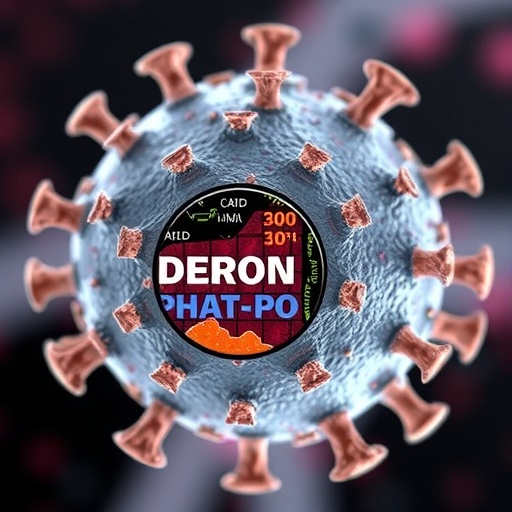
A study in Nature Communications reports that lactic acid produced by host cells can blunt the antiviral power of interferons (IFNs), reshaping how innate immune signals control viral infections. The work highlights a dual mechanism: direct interference with antiviral pathways and a separate push toward inflammatory amplification, potentially tipping the host environment from defense toward damage.

Interferons are central to early antiviral immunity, activating interferon-stimulated genes (ISGs) that restrict replication. But despite robust IFN signaling, many infections persist, implying that viruses—and sometimes host metabolism—can undermine IFN effectiveness downstream.

Using experimental models of infection, the researchers identify host-derived lactic acid as a key inhibitory factor. Rather than acting solely as a metabolic byproduct, lactic acid appears to function as an immune modulator that dampens the antiviral arm of IFN responses. Mechanistically, the study links lactic acid–associated signaling to reduced antiviral activity, limiting the protective consequences of IFN exposure.

The team further shows that lactic acid can promote proinflammatory amplification. This means that while IFN-driven antiviral restriction weakens, inflammatory pathways become more active, potentially increasing tissue stress and immune-mediated pathology during infection.

Crucially, the findings suggest that lactic acid’s impact depends on the balance between antiviral signaling and inflammatory output. By skewing that balance, elevated lactic acid may create a permissive niche for viral survival while accelerating damaging inflammation.

The paper also emphasizes the idea that “host metabolism is not neutral” during infection. Microenvironmental changes in pH and metabolite availability can alter how immune sensors interpret IFN cues, converting an antiviral program into a less effective response.

These insights carry translational implications. Therapies that modulate metabolic lactate production or signaling might restore IFN efficacy, improving the outcome of IFN-based interventions in viral disease settings where lactate accumulates.

At the same time, targeting lactate-driven inflammatory amplification could reduce collateral damage. Together, metabolic and immunological strategies may offer a more complete approach than IFN alone.

Overall, the study reframes lactic acid as an active determinant of viral immunity—capable of both restraining antiviral defenses and fueling inflammation—providing a new lens for viral science news and future therapeutic design.

Subject of Research: Host metabolism and interferon-based antiviral immunity

Article Title: Host-derived lactic acid disrupts IFN efficacy via antiviral inhibition and proinflammatory amplification

Article References: Tian, M., Chen, S., Huang, J. et al. Host-derived lactic acid disrupts IFN efficacy via antiviral inhibition and proinflammatory amplification. Nat Commun (2026). https://doi.org/10.1038/s41467-026-76000-w

DOI: 10.1038/s41467-026-76000-w

Keywords: interferons; lactic acid; antiviral inhibition; proinflammatory amplification; innate immunity; ISGs

Tags: Dual mechanisms of lactic acid in viral infectionsHost-derived metabolites affecting innate antiviral immunityImpact of host metabolism on antiviral immune responsesInflammatory amplification driven by lactic acid during infectionInterferon signaling inhibition by metabolic byproductsInterplay between metabolism and immune response in viral infectionsLactic acid-mediated suppression of interferon-stimulated genesLactic acid's influence on antiviral and inflammatory balanceLactic acid's role in immune modulationMetabolic regulation of innate immune signaling pathways
Share26Tweet16
Previous Post

Flexible Payments for Environmental Services Boost Cost-Effectiveness in Brazilian Amazon

Next Post

Serpentine Alteration Boosts Water Flow in Cold Subduction Zones

Related Posts

UH Pharmacy College Receives Over $1 Million to Tackle Complex Health Challenges
Medicine

UH Pharmacy College Receives Over $1 Million to Tackle Complex Health Challenges

August 12, 2026
Stretchable catheter may detect dangerous arterial plaque before heart attacks strike
Medicine

Stretchable catheter may detect dangerous arterial plaque before heart attacks strike

August 12, 2026
Study finds chatbots reshape which researchers win grants
Medicine

Study finds chatbots reshape which researchers win grants

August 12, 2026
IOC urges routine screening and regular monitoring of elite athletes’ mental health
Medicine

IOC urges routine screening and regular monitoring of elite athletes’ mental health

August 12, 2026
GSA CEO James C. Appleby Stepping Down After 18 Years
Medicine

GSA CEO James C. Appleby Stepping Down After 18 Years

August 11, 2026
Chronic Conditions Linked to Aortic Disease Risk in Prospective Cohort Study
Medicine

Chronic Conditions Linked to Aortic Disease Risk in Prospective Cohort Study

August 11, 2026
Next Post
Serpentine Alteration Boosts Water Flow in Cold Subduction Zones

Serpentine Alteration Boosts Water Flow in Cold Subduction Zones

  • Mothers who receive childcare support from maternal grandparents show more

    Mothers who receive childcare support from maternal grandparents show more parental warmth, finds NTU Singapore study

    27656 shares
    Share 11059 Tweet 6912
  • University of Seville Breaks 120-Year-Old Mystery, Revises a Key Einstein Concept

    1061 shares
    Share 424 Tweet 265
  • Bee body mass, pathogens and local climate influence heat tolerance

    682 shares
    Share 273 Tweet 171
  • Researchers record first-ever images and data of a shark experiencing a boat strike

    546 shares
    Share 218 Tweet 137
  • Groundbreaking Clinical Trial Reveals Lubiprostone Enhances Kidney Function

    531 shares
    Share 212 Tweet 133
Science

Embark on a thrilling journey of discovery with Scienmag.com—your ultimate source for cutting-edge breakthroughs. Immerse yourself in a world where curiosity knows no limits and tomorrow’s possibilities become today’s reality!

RECENT NEWS

  • UH Pharmacy College Receives Over $1 Million to Tackle Complex Health Challenges
  • H6PD Identified as Parkinson’s Causal Gene Linking ER-Mitochondria Disruption to Neurodegeneration
  • Urinary Exosomal microRNAs Reveal Kawasaki Disease Changes After Treatment
  • ORNL, Kyoto Fusioneering Plan Fusion Technology Test Facility in East Tennessee

Categories

  • Agriculture
  • Anthropology
  • Archaeology
  • Athmospheric
  • Biology
  • Biotechnology
  • Blog
  • Bussines
  • Cancer
  • Chemistry
  • Climate
  • Earth Science
  • Editorial Policy
  • Marine
  • Mathematics
  • Medicine
  • Pediatry
  • Policy
  • Psychology & Psychiatry
  • Science Education
  • Social Science
  • Space
  • Technology and Engineering

Subscribe to Blog via Email

Success! An email was just sent to confirm your subscription. Please find the email now and click 'Confirm Follow' to start subscribing.

Join 5,149 other subscribers

© 2025 Scienmag - Science Magazine

Welcome Back!

Login to your account below

Forgotten Password?

Retrieve your password

Please enter your username or email address to reset your password.

Log In
No Result
View All Result
  • HOME
  • SCIENCE NEWS
  • CONTACT US

© 2025 Scienmag - Science Magazine
