

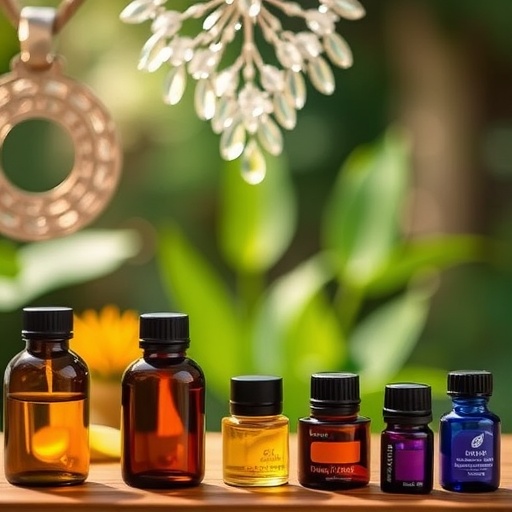
A new meta-analysis sheds light on the potential benefits of aromatherapy interventions, specifically in the context of psychological, physiological, and academic outcomes among nursing and health sciences students. Conducted by researchers S. Pehlivan and Ö. Erbay Dalli, this comprehensive study aims to quantify the impacts of aromatherapy through a rigorous analysis of existing literature. With an increasing number of students feeling overwhelmed by the pressures of demanding academic programs, the exploration of alternative stress-relief methods, such as aromatherapy, has become increasingly relevant.
The findings encapsulate a growing body of evidence suggesting that aromatherapy may offer more than just pleasant fragrances. The researchers meticulously examined numerous studies that explored various essential oils and their effects on student populations. The meta-analysis aggregates data that indicates significant improvements in mental well-being, stress reduction, and overall academic performance tied to the use of these aromatic interventions. This collation of studies provides a convincing argument for the inclusion of aromatherapy in academic support programs.
Aromatherapy, which involves the use of essential oils extracted from plants, has been recognized for its therapeutic properties for centuries. The science behind this practice suggests that aromatic compounds can influence brain function and emotional states, offering a non-invasive method of enhancing personal well-being. With students often grappling with anxiety, fatigue, and other psychological challenges, the implications of such findings are particularly timely. Certainly, the introduction of aromatherapy into educational settings could serve as a novel approach to enhance student resilience and performance.
Moreover, the analysis highlighted specific essential oils that have shown promising results. For instance, lavender has long been praised for its calming properties. The soothing scent of lavender has been correlated with decreased anxiety levels and improved sleep quality, both of which are pivotal for student success. Similarly, peppermint oil, known for its invigorating scent, is linked to enhanced cognitive function and memory retention. Such findings could prompt educational institutions to consider integrating these, and other beneficial, aromatherapy practices into their wellness programs.
In the current landscape where mental health awareness is at the forefront, the timing of this research couldn’t be more appropriate. The overwhelming academic pressures faced by nursing and health sciences students is well-documented, and this meta-analysis adds a vital piece to the puzzle of student wellness. The evaluation of aromatherapy as a viable stress-relief method aligns well with the broader discourse surrounding holistic approaches to education. This research supports the argument that optimizing mental health is essential for academic success.
The difficulties stemming from stress in educational environments can lead to a variety of negative outcomes. Increased absenteeism, lower academic performance, and even mental health disorders are some of the serious consequences faced by students. Therefore, the integration of aromatherapy practices could serve not only to alleviate immediate stressors but also to foster long-term resilience among students. The study presents a case for educational institutions to reassess their approach to student wellness by considering aromatherapy as a valuable resource in their health initiatives.
Notably, the study meticulously discusses each selected study, providing insight into methodologies employed, samples analyzed, and the statistical significance of outcomes. Through such rigorous analyses, Pehlivan and Dalli not only validate the findings but also identify gaps in current research, thus paving the way for future studies. The researchers call for further investigation into the long-term effects of aromatherapy, particularly among diverse student demographics.
In addition to capturing the mental health benefits, the meta-analysis also sheds light on physiological improvements associated with aromatherapy. For instance, participants reported enhanced quality of sleep, reduced blood pressure, and improved overall health metrics. These physiological benefits are crucial as they directly impact academic performance, underscoring the interconnectedness between mental and physical health. Such revelations position aromatherapy as a dual-faceted intervention method that can address multiple student needs simultaneously.
While the findings are promising, the researchers also emphasize the need for continued exploration in this field. The existing literature provides a peek into the potential symbiosis between aromatherapy and academic achievement. Future studies could further examine the specific contexts in which aromatherapy is most effective, as well as ensuring the reproducibility of these positive outcomes across a larger variety of educational settings.
As education shifts towards a more holistic approach, it becomes imperative to advocate for solutions that support the well-being of students. The acceptance and integration of alternative health practices, such as aromatherapy, could reshape student support systems. Educational institutions can benefit from taking an initiative in promoting mental health resources that are both accessible and effective for students.
In conclusion, the meta-analysis conducted by Pehlivan and Dalli presents compelling evidence in favor of the effectiveness of aromatherapy interventions among nursing and health sciences students. With significant implications for mental, physiological, and academic outcomes, this research beckons stakeholders in education to reevaluate existing wellness initiatives. The burgeoning field of aromatherapy merits further exploration and, potentially, broader adoption within educational frameworks—signifying a positive step towards nurturing the minds and well-being of tomorrow’s healthcare professionals.
This research not only contributes to the academic discourse about student wellness but also highlights the importance of bridging traditional and modern therapeutic practices in education. As students continue to navigate increasingly demanding curricula, the incorporation of aromatherapy could provide much-needed relief. As the body of evidence continues to grow, it will be fascinating to observe how educational institutions respond and adapt these findings into actionable strategies.
Subject of Research: Aromatherapy interventions among nursing and health sciences students.
Article Title: The effectiveness of aromatherapy interventions on psychological, physiological and academic outcomes in nursing and health sciences students: a meta-analysis.
Article References:
Pehlivan, S., Erbay Dalli, Ö. The effectiveness of aromatherapy interventions on psychological, physiological and academic outcomes in nursing and health sciences students: a meta-analysis.
BMC Med Educ (2026). https://doi.org/10.1186/s12909-025-08537-1
Image Credits: AI Generated
DOI: 10.1186/s12909-025-08537-1
Keywords: Aromatherapy, student wellness, mental health, nursing students, academic performance.


