


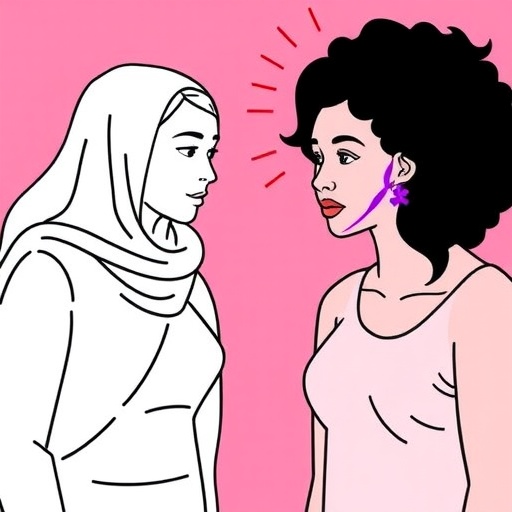
New York City recently hosted a landmark event addressing menstrual equity, gathering over 200 teenagers, numerous community advocates, and 20 partner organizations for the second annual Menstrual Equity Summit: PERIODT POWER! The summit, held at the prestigious CUNY Graduate School of Public Health and Health Policy (CUNY SPH), highlighted a youth-centered movement dedicated to dismantling stigma, expanding access to menstrual products, and promoting gender equity through a multi-disciplinary approach integrating education, advocacy, and communal engagement.
This summit distinguished itself not just as an event but as a transformative platform where adolescent voices drove the agenda. The collaborative efforts of Teens PACT, the Harlem Health Initiative, and GorjusDoc reflected a coordinated commitment to public health equity, particularly in menstrual justice—a dimension often overlooked in health policy dialogues. By centering young leaders, the summit underscored the critical intersectionality of menstrual health with broader social determinants such as race, economic disparity, and gender norms.
A significant emphasis was placed on menstrual health literacy throughout the event, an area critically tied to health outcomes and social empowerment. Teen facilitators delivered workshops that delved into the biological, psychological, and public health aspects of menstruation, illuminating the complex physiological processes involved and the social implications thereof. This nuanced educational focus challenged pervasive misinformation and taboos, highlighting menstrual health as a vital component of reproductive justice and adolescent well-being.
Merely providing menstrual products, often referred to as addressing “period poverty,” was explicitly reframed by experts including Dr. Natasha Ramsey, founder of GorjusDoc and adolescent medicine physician, as an incomplete solution. Dr. Ramsey argued persuasively that menstrual equity transcends product access; it demands systemic policy reforms and the propagation of knowledge that respects individual experiences and dismantles stigmatization. This holistic approach advocates for a shift from reactive distribution models to proactive empowerment strategies.
The summit also presented a critical discourse on menstrual equity as intrinsically linked to reproductive justice, appreciating the multifactorial dimensions that influence health equity. The discussions navigated the socio-economic and racial disparities that exacerbate menstrual inequity, noting that policy interventions must account for these factors to be truly effective. The youth-led panels and workshops fostered a productive dialogue on how intersectionality informs both the challenges and potential solutions in menstrual health advocacy.
Participants engaged in interactive sessions that explored advocacy strategies designed to influence policy change and community health initiatives related to menstruation. This experiential learning approach empowered teens to articulate policy demands, understand legislative frameworks, and utilize digital media to amplify menstrual justice campaigns. Such skill-building is essential for cultivating a new generation of public health advocates capable of sustaining long-term systemic change.
Beyond educational and advocacy components, the summit featured a marketplace of resources where attendees connected with organizations championing reproductive justice and youth empowerment. This resource hub functioned as a nexus for networking, collaboration, and dissemination of services, thereby fostering a community ecosystem geared toward continued menstrual health advocacy. By facilitating access to a diverse range of reproductive health resources, the summit bolstered the infrastructural foundation necessary to combat menstrual inequity holistically.
The event demonstrated the power of arts and cultural expression as tools for health communication. Artistic interventions included performances and visual art installations that addressed menstrual stigma and celebrated bodily autonomy. Such culturally resonant expressions challenged societal silence around menstruation and augmented the scientific and policy-driven dialogues, reinforcing the summit’s comprehensive vision for menstrual justice.
Teens PACT, the youth-led organization orchestrating much of the summit’s programming, showcased the potential of peer-driven models in public health. By placing young people at the helm of facilitation and leadership roles, the collective dismantled hierarchical dynamics traditionally present in health education. This model amplifies credible peer influence, which research increasingly correlates with enhanced engagement and behavioral change in adolescent populations.
The Harlem Health Initiative’s involvement signified a strategic alignment with efforts to reduce health disparities in Northern Manhattan, emphasizing community-rooted solutions. Their participation demonstrated the indispensable role of grassroots outreach and localized advocacy in addressing menstrual health inequities, which often manifest most acutely in marginalized urban settings. The Initiative’s work underscores a necessary integration of epidemiological insight with community-specific cultural competency.
GorjusDoc’s founder, Dr. Natasha Ramsey, highlighted the imperative of storytelling in health equity advocacy. By leveraging media to amplify marginalized voices and elucidate urgent public health challenges, GorjusDoc bridges gaps between clinical knowledge and community realities. The summit amplified this narrative-driven approach, illustrating how personalized stories catalyze empathy, awareness, and policy momentum in the menstrual equity movement.
Looking ahead, organizers and partners of PERIODT POWER! are mobilizing plans for expanding programs and coalition-building efforts across New York City in 2026. These prospective initiatives aim to translate summit momentum into sustained policy advocacy and broader cultural transformation. The envisioned campaigns will likely incorporate data-driven strategies to monitor menstrual equity outcomes, ensuring accountability and informed adaptation of interventions over time.
This summit marks a pivotal paradigm shift in public health culture, reconceptualizing menstruation not as a private or niche concern but as a critical axis of health equity and social justice. Through integrating biomedical education, community activism, and youth empowerment, the event provided a robust blueprint for future efforts worldwide, demonstrating that meaningful menstrual equity necessitates an intersectional and multilevel approach spearheaded by those most affected.
For those seeking further engagement and insights from the summit, highlights and updates are regularly disseminated via Instagram at @teenspact, fostering an ongoing dialogue and expanding the community of advocates committed to menstrual justice and health equity.
- CUNY Graduate School of Public Health and Health Policy — https://sph.cuny.edu
- Teens PACT — https://teenspact.org
- Harlem Health Initiative — https://sph.cuny.edu/research/harlem-health-initiative/
- GorjusDoc — https://www.gorjusdoc.com
Image Credits: CUNY SPH
Keywords: Human health, Menstruation
Cite Scienmag News
Courtney Benton. (August 13, 2025). Menstrual Equity Summit Empowers NYC Teens to Advocate for Menstrual Justice. Scienmag. https://scienmag.com/menstrual-equity-summit-empowers-nyc-teens-to-advocate-for-menstrual-justice/
Courtney Benton. "Menstrual Equity Summit Empowers NYC Teens to Advocate for Menstrual Justice." Scienmag, 13 August 2025, https://scienmag.com/menstrual-equity-summit-empowers-nyc-teens-to-advocate-for-menstrual-justice/. Accessed 4 September 2026.
Courtney Benton. "Menstrual Equity Summit Empowers NYC Teens to Advocate for Menstrual Justice." Scienmag. August 13, 2025. https://scienmag.com/menstrual-equity-summit-empowers-nyc-teens-to-advocate-for-menstrual-justice/


