


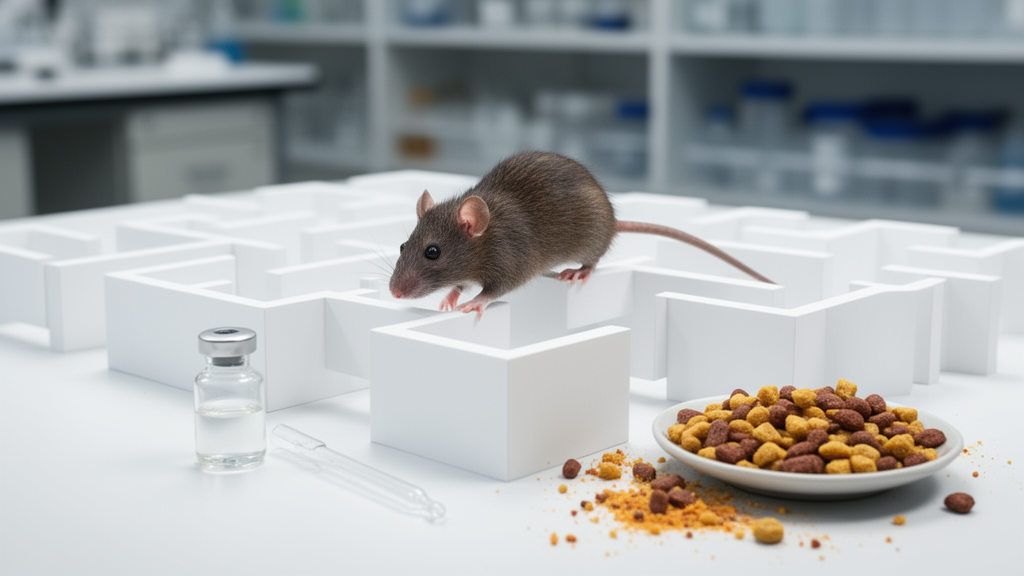
A diet loaded with refined carbohydrates and fats can do more than expand the waistline. In a new rat study, it scrambled working memory and lit up inflammatory defenses in two key brain regions. A daily dose of melatonin, the hormone best known for governing sleep, quietly reversed much of that damage, even though it left the animals’ metabolic problems untouched.
Researchers set out to test whether melatonin could protect the brain from the fallout of a high-carbohydrate, high-fat (HCHF) diet, which is known to drive neuroinflammation, oxidative stress and activation of astrocytes, the star-shaped support cells that can turn reactive and inflammatory when the brain is under stress. Adult male Wistar rats were fed the HCHF diet for eight weeks, long enough to produce a full metabolic syndrome-like picture.
The diet did its damage on schedule. The animals gained weight, developed dyslipidemia and glucose intolerance, and performed poorly on the Y-maze spontaneous alternation test, a standard measure of working memory. In the hippocampus, the brain’s memory hub, and the hypothalamus, which helps regulate metabolism, the researchers measured rising levels of proinflammatory cytokines, markers of oxidative damage, and a surge in glial fibrillary acidic protein (GFAP) immunoreactivity, the classic fingerprint of astrogliosis.
Then came the intervention phase. For four weeks, while still on the HCHF diet, the rats received daily oral melatonin at one of three doses: 5, 10 or 30 milligrams per kilogram of body weight. The question was whether the hormone could pull the brain back from the inflammatory brink without fixing the underlying metabolic chaos, since the animals kept eating the same harmful diet throughout.
The cognitive results were striking. Working memory performance in the melatonin-treated rats was comparable to that of healthy control animals at every dose tested. Unlike many of the brain-level changes, this memory rescue showed no clear dose-dependent pattern, suggesting that even the lowest dose was sufficient to restore performance on this particular behavioral task.
Inside the brain tissue, the story was more finely graded. Melatonin reduced the number of GFAP-positive reactive astrocytes, lowered proinflammatory cytokine levels, and cut lipid peroxidation, a key marker of oxidative damage to cell membranes. At the same time, it boosted superoxide dismutase activity, one of the body’s frontline antioxidant enzymes. These effects were mainly dose-dependent in the hippocampus, pointing to a graded biological response even where behavior looked uniformly restored.
Here is the twist that makes the study notable: melatonin did not improve glucose tolerance or lipid profiles at any dose. The animals remained metabolically unhealthy, yet their brains recovered. That dissociation suggests the hormone’s protective effects operate through pathways tied to astrocyte activation, neuroinflammation and oxidative stress rather than through correction of the systemic metabolic abnormalities themselves.
The findings, published in Molecular Biology Reports, position melatonin as a candidate for shielding the brain from diet-induced injury even when metabolic disease persists. The authors conclude that the hormone may protect against HCHF diet-driven brain damage specifically through mechanisms related to astrocyte reactivity, inflammation and oxidative stress.
Important caveats apply. This was a rodent study using doses and timeframes that do not translate directly to humans, and the Y-maze measures only one slice of cognition. Whether melatonin can protect the human brain in the context of diet-induced metabolic syndrome remains an open question.
Subject of Research: Melatonin suppresses astrocyte reactivity and Mitigates cognitive deficits induced by a high-carbohydrate, high-fat diet in rats
Article Title: Melatonin suppresses astrocyte reactivity and Mitigates cognitive deficits induced by a high-carbohydrate, high-fat diet in rats
Article References: Dorranipour, D., Zangiabadi, I., Peyvandi, M., Naraki, K., & Basiri, M. (2026). Melatonin suppresses astrocyte reactivity and Mitigates cognitive deficits induced by a high-carbohydrate, high-fat diet in rats. Molecular Biology Reports, 53(1), Article 1830. https://doi.org/10.1007/s11033-026-12997-z
Image Credits: AI Generated
DOI: 10.1007/s11033-026-12997-z
Keywords: Melatonin, suppresses, astrocyte, reactivity, Mitigates, cognitive, deficits, induced, high-carbohydrate, high-fat, diet, rats
Cite Scienmag News
Daisy Hatcher. (October 26, 2026). Melatonin restores working memory in rats fed a high-fat, high-carbohydrate diet. Scienmag. https://scienmag.com/melatonin-restores-working-memory-in-rats-fed-a-high-fat-high-carbohydrate-diet/
Daisy Hatcher. "Melatonin restores working memory in rats fed a high-fat, high-carbohydrate diet." Scienmag, 26 October 2026, https://scienmag.com/melatonin-restores-working-memory-in-rats-fed-a-high-fat-high-carbohydrate-diet/. Accessed 26 October 2026.
Daisy Hatcher. "Melatonin restores working memory in rats fed a high-fat, high-carbohydrate diet." Scienmag. October 26, 2026. https://scienmag.com/melatonin-restores-working-memory-in-rats-fed-a-high-fat-high-carbohydrate-diet/


