


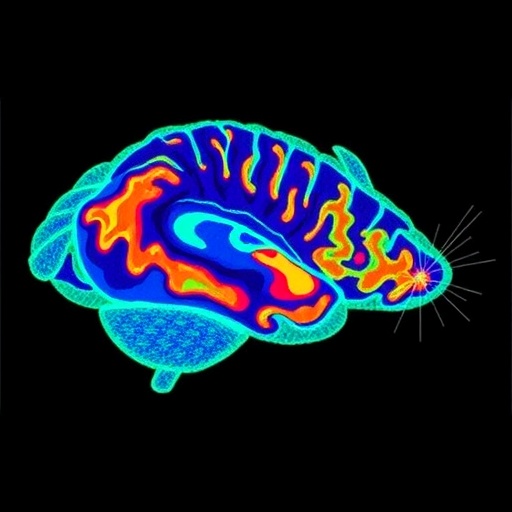
In a groundbreaking study, researchers have unveiled a comprehensive expression atlas of Dmrt genes across different sexes and developmental stages in the mouse brain. This innovative research, spearheaded by a team led by R. Casado-Navarro and A. Bermejo-Santos, along with R.Td. la Cal et al., elucidates vital insights into the functional roles of these genes, particularly within the context of the olfactory system. The study, published in the journal Biological Sex Differences, provides a crucial resource for understanding how Dmrt (Doublesex and Mab-3 Related Transcription factor) genes contribute to sexual differentiation and neurological development.
The olfactory system, a pivotal aspect of sensory perception, serves as a fascinating focal point of this research. The Dmrt gene family has previously been recognized for its essential roles in sex determination and differentiation in various species. The culmination of these studies has opened new avenues for understanding how genetic expression of these transcription factors influences not only sexual identity but also neurological functions across the lifespan. This research is particularly significant as it integrates developmental biology with neurogenetics, bridging areas that have often been studied in isolation.
One of the most compelling findings of this study is the variation in Dmrt gene expression between male and female mice, which highlights the intricate relationship between genetics and brain architecture. The atlas created by the researchers details the dynamic expression patterns of these genes, revealing that not all Dmrt genes behave uniformly across different developmental stages. This nuanced understanding underscores the importance of temporal and spatial context in genetic expression, which is crucial for deciphering the complex biological mechanisms that underpin behaviors and cognitive functions linked to sex.
In developing the expression atlas, the research team employed advanced techniques to analyze gene expression in various brain regions, focusing significantly on areas associated with olfactory processing. The olfactory bulb, a critical hub for processing scent information, revealed distinct expressions of Dmrt genes, suggesting specialized roles in sensory processing linked to sexual differentiation. This correlation opens a dialogue about how sensory pathways may diverge between sexes, leading to different behaviors and adaptations that have evolved over time.
The scientific implications of these findings are vast, fostering a deeper understanding of not only the roles Dmrt genes play in development and behavior but also how they might contribute to neurodevelopmental disorders. As researchers continue to unravel the complexities of gene expression and neurological function, this atlas serves as a foundational tool for future inquiries into how molecular signals influence behavior across the sexes.
Moreover, the implications of this research extend beyond the mouse model, offering potential insights into human biology. Given the conserved nature of many genetic pathways across species, the understanding gained from mouse studies may translate to broader applications. Neurological conditions often exhibit sex differences in prevalence, symptomology, and treatment efficacy, warranting an investigation into how genetic factors like Dmrt influence these disparities.
The study introduces a rich dataset that can be utilized by researchers in various fields, from neurobiology to evolutionary biology. By providing a comprehensive expression atlas, the researchers enable the scientific community to explore new hypotheses regarding the relationship between sex-determining genes and neurological outcomes. This resource not only facilitates targeted studies but also encourages interdisciplinary collaboration in the quest to understand the biological underpinnings of complex traits.
Furthermore, the research emphasizes the role of sex as a biological variable in studies of the brain. Historically, there has been a tendency to overlook sex differences in neuroscience research, leading to an incomplete understanding of brain function and development. The expression atlas exemplifies the need for studies that embrace sex as a critical factor driving biological phenomena. By integrating sex differences into the framework of neurodevelopmental research, scientists can develop more comprehensive models that reflect the diversity of neural circuits across genders.
In light of the advancements in genomics and bioinformatics, this study signifies a new era in research methodologies. The use of high-throughput sequencing and other cutting-edge technologies has transformed our capability to analyze gene expression patterns with unparalleled precision. As scientists continue to refine these techniques, we can expect to see even more detailed insights into the regulatory mechanisms governing gene expression across different tissues and developmental contexts.
This atlas also poses intriguing questions for researchers about the evolutionary significance of Dmrt genes. As transcription factors involved in sex determination and differentiation, their conservation across species suggests a fundamental role in shaping not only reproductive strategies but also broader aspects of physiological and behavioral adaptation. The study invites further exploration into how these genes have evolved to enable species to navigate their ecological niches effectively.
In conclusion, the expression atlas of Dmrt genes represents a significant advancement in our understanding of sex and development in the brain. By illuminating the complex interplay between genetic regulation and neurological function, this research underscores the importance of integrating developmental and neurobiological perspectives. As we delve deeper into the realms of genetics and neuroscience, the work of Casado-Navarro and their colleagues serves as a beacon for future studies aimed at unraveling the enigma of brain function and the factors that shape our cognitive experiences.
This study not only enhances our comprehension of Dmrt genes but also lays the groundwork for addressing broader questions regarding sex differences in neurological health. As investigations into the roles of these genes continue, it is expected that this research will tout significant impacts on the fields of developmental biology, neurogenetics, and beyond, ultimately enriching our understanding of the human brain and behavior.
Casado-Navarro, R., Bermejo-Santos, A., la Cal, R.Td. et al. Expression atlas of Dmrt genes across sex and development in the mouse brain: functional insights from the olfactory system.
Biol Sex Differ (2026). https://doi.org/10.1186/s13293-026-00836-6
Cite Scienmag News
Juliet Wilcox. (February 2, 2026). Mapping Dmrt Gene Expression in Mouse Brain Development. Scienmag. https://scienmag.com/mapping-dmrt-gene-expression-in-mouse-brain-development/
Juliet Wilcox. "Mapping Dmrt Gene Expression in Mouse Brain Development." Scienmag, 2 February 2026, https://scienmag.com/mapping-dmrt-gene-expression-in-mouse-brain-development/. Accessed 7 September 2026.
Juliet Wilcox. "Mapping Dmrt Gene Expression in Mouse Brain Development." Scienmag. February 2, 2026. https://scienmag.com/mapping-dmrt-gene-expression-in-mouse-brain-development/


