

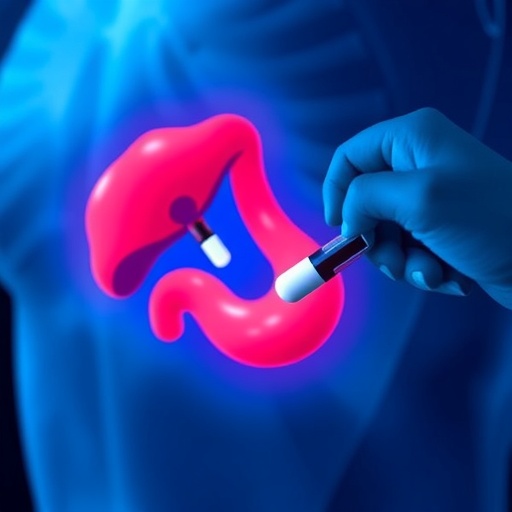
A groundbreaking randomized clinical trial has unveiled important findings concerning the preprocedural management of patients receiving glucagon-like peptide-1 (GLP-1) and glucose-dependent insulinotropic polypeptide (GIP) agonists. These incretin-based therapies, commonly prescribed for glycemic control in type 2 diabetes and obesity, have been observed to impact gastric motility in ways that raise new clinical considerations. The study, published in JAMA Internal Medicine, addresses a critical safety aspect by evaluating residual gastric volume (RGV) before medical procedures requiring sedation or anesthesia.
Historically, concerns about increased gastric contents before anesthesia have been linked to the risk of aspiration, a potentially fatal complication. GLP-1 and GIP agonists slow gastric emptying, which may increase RGV, thereby raising the risk that stomach contents could be regurgitated and aspirated into the lungs during procedures. The current clinical trial uniquely measures the extent of this phenomenon and its direct clinical implications, filling a pivotal gap in perioperative care guidelines.
Through meticulous randomization, the research enrolled patients who continued their GLP-1 or GIP agonist therapy prior to undergoing diagnostic or therapeutic procedures requiring sedation. Gastric volumes were quantitatively assessed, and clinical outcomes—including adverse events such as aspiration pneumonia or delayed recovery—were systematically recorded. The results affirmed that while clinically significant residual gastric volume was indeed more frequent in patients continuing these medications, this increase did not translate into a heightened incidence of adverse events during or after the procedures.
These findings hold profound significance for clinicians balancing the benefits of glycemic control with procedural safety. The persistent continuation of incretin-based therapies, which offer metabolic benefits including weight loss and improved insulin sensitivity, may not necessitate alteration simply due to procedural scheduling. This challenges prior clinical hesitations and may streamline perioperative management in diabetic and obese populations, reducing the complexity and risk of hyperglycemia due to medication withdrawal.
Equally noteworthy is the study’s identification of dietary modifications as a mitigating factor. The investigation revealed that allowing clear liquids on the day prior to the procedure substantially reduced the risk of clinically significant gastric volume, regardless of GLP-1/GIP agonist use. This insight introduces a practical intervention to enhance patient safety without compromising metabolic management, suggesting revisions to fasting protocols that have historically mandated prolonged abstinence from liquids.
Technically, GLP-1 and GIP function by promoting glucose-dependent insulin secretion and slowing gastric emptying through activation of specific receptors in the gastrointestinal tract. This pharmacodynamic profile explains the observed increase in residual gastric volume. Yet, the decoupling of increased volume from adverse procedural outcomes hints at a complex interplay where the volume thresholds traditionally deemed risky may be tolerated safely in this patient context or offset by procedural factors such as anesthesia technique and patient positioning.
The robustness of the trial design, including randomization and controlled measurement of gastric parameters, lends significant credibility to these conclusions. Detailed statistical analysis minimized bias and ensured that the observed effects were genuinely attributable to medication use rather than confounding variables. This methodological rigor provides a template for future investigations aiming to refine preprocedural risk stratification in populations on advanced metabolic therapies.
Beyond clinical implications, this study opens avenues for deeper exploration of the mechanistic links between incretin therapies and gastrointestinal physiology. Understanding how these peptides alter motility and gastric secretion in fine detail could pave the way for novel therapeutics that optimize both metabolic and perioperative safety profiles. Investigators may also explore potential patient-specific factors, including genetic polymorphisms and comorbid conditions, that modulate the effects of GLP-1 and GIP agonists on gastric environment.
Moreover, this clinical trial underscores the importance of interdisciplinary collaboration among endocrinologists, anesthesiologists, gastroenterologists, and surgeons. Coordinated care pathways that integrate metabolic control with procedural safety protocols will be crucial as incretin agonists become more widely used. Patient education regarding medication adherence and fasting guidelines will also be essential components of optimized care.
As incretin-based therapies continue to revolutionize the management of diabetes and obesity, ensuring their safe integration into procedural pathways remains paramount. This study’s findings encourage a reevaluation of blanket fasting restrictions and medication discontinuation policies, advocating for nuanced, evidence-based approaches that consider drug pharmacodynamics and procedural requirements.
In summary, the clinical trial presents compelling evidence that continued use of GLP-1 or GIP agonists before medical procedures increases residual gastric volume without increasing adverse events, while demonstrating that preprocedural clear liquid intake may reduce this volume effectively. These insights challenge conventional fasting and medication management protocols, charting a progressive course toward safer, more effective patient care in an era of complex metabolic therapy.
Subject of Research:
Pharmacologic impact of GLP-1 and GIP agonists on residual gastric volume and procedural safety.
Article Title:
Effect of Preprocedural Glucagon-Like Peptide-1 and Glucose-Dependent Insulinotropic Polypeptide Agonist Use on Residual Gastric Volume: A Randomized Clinical Trial.
News Publication Date:
Not specified.
Web References:
(doi:10.1001/jamainternmed.2026.0027)
References:
Information not provided in the source content.
Image Credits:
Not applicable.
Keywords:
Glucose, Peptides, Agonists, Clinical trials, Adverse effects, Gastric acid, Randomization, Risk factors, Polypeptides, Insulin, Internal medicine.


