

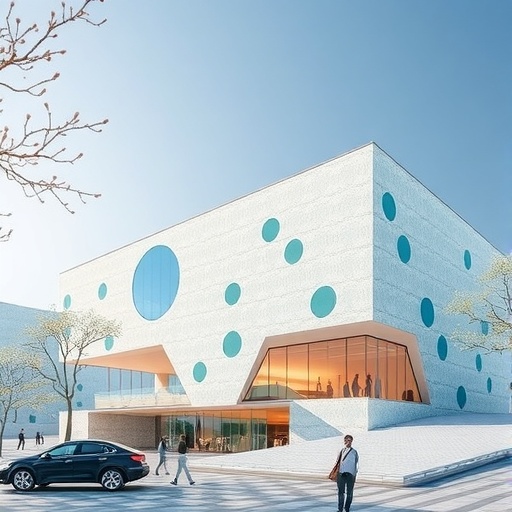
The Mabuchi Laboratory within the Department of Architecture at Okayama University of Science (OUS) has recently achieved an extraordinary milestone by securing the Grand Prize at The Asia Design Prize 2026. This accolade, organized by DESIGNRORI Co., Ltd., recognizes the laboratory’s pioneering project entitled Keyaki Monogatari. This honor marks a significant advancement in architectural design recognition for the university, highlighting the innovative conceptual and structural ideas embedded in the project.
Keyaki Monogatari builds upon a distinguished history of accolades, having previously been awarded the DFA Design for Asia Awards 2023 Merit Award, the Wood Design Award 2023, the Good Design Award 2023, and the KMEW DESIGN AWARD 2022 SOLIDO Prize in the Detached Housing Category. Each of these awards underscores the project’s unique construction philosophy, blending traditional aesthetics with sustainable architectural innovation. The Grand Prize at such a prominent international competition cements its standing as a paragon of future-forward residential architecture.
Central to Keyaki Monogatari is a profound architectural narrative inspired by a single grand zelkova tree, historically rooted in the client’s ancestral home garden. This element transcends simple materiality to become a cornerstone in the design narrative, symbolizing both familial continuity and spiritual reverence. The zelkova is ingeniously integrated as a pivotal structural support—a pillar that bears the roof ridge, simultaneously evoking the tender protection of a grandparent and the sanctity of a sacred object, threading deeper cultural and emotional dimensions into the built environment.
The project’s location at the foothills of Mt. Tateyama, part of the famed Japanese Alps, is no accident but a deliberate contextual choice that infuses the architectural form with regional significance. This geographical setting enriches the design’s connection to local spirituality and natural magnificence. The project employs a “story-driven design approach,” enabling the client’s narrative to steer the creation process, resulting in an enduring and inhabitable space designed explicitly for multi-generational use.
From an aesthetic standpoint, the design transcends mere visual appeal, embodying a convergence of heritage, nature, and spirituality. The large ancestral zelkova tree becomes the heart of the home’s narrative—a living metaphor of familial affection and guardianship. The architecture eloquently captures this essence, blending organic materials with a delicate structural form that appears both protective and open, fostering a harmonious relationship between the inhabitant, nature, and their lineage.
Sustainability is reimagined within Keyaki Monogatari beyond conventional green building practices. The project challenges the prevailing capitalist paradigm of mass production and disposability by embedding deep emotional value into the architecture. This is achieved through the creation of a resilient narrative that strengthens the occupant’s bond with their home, encouraging long-term stewardship and reducing the likelihood of premature demolition. The design thus aspires toward temporal sustainability, nurturing a home that evolves with its inhabitants rather than succumbing to economic obsolescence.
The project’s social impact extends further as it symbolically incorporates a universal metaphor for peace. The ridge of the house is uniquely supported by two pillars—one interior and one exterior—with design elements referencing both Buddhist and Christian symbolism. The interior zelkova pillar draws from Buddhist traditions, embodying spiritual harmony and protection, while the exterior cross-shaped pillar echoes Christian iconography of peace and salvation. This dual representation reflects a conscious architectural statement advocating for global peace and unity amidst diverse cultural paradigms.
Lead designer Daiu Mabuchi masterfully blends culturally resonant symbolism with cutting-edge structural design in Keyaki Monogatari. The intimate dialogue between ancestral memory and contemporary architectural practice results in a spatial experience that transcends functionality. Instead, the house becomes a vessel for the preservation of intangible heritage, carrying stories and values across generations and reflecting a paradigm shift towards architecture as an active participant in societal healing and identity formation.
The technical articulation of Keyaki Monogatari incorporates advanced timber engineering techniques that emphasize the natural properties of zelkova wood—renowned for its strength and aesthetic grain. The tree’s integration into the load-bearing framework is carefully calibrated to ensure both structural integrity and symbolic prominence. The design team’s ability to balance these demands showcases innovation in sustainable timber construction, positioning the project as a case study in the effective use of locally sourced, renewable materials in high-performance architecture.
Furthermore, the project challenges traditional dwelling typologies by fostering a spatial narrative that invites residents to partake actively in the home’s evolving story. The architectural layout encourages movement through spaces that reveal evolving perspectives of the zelkova pillar, enhancing the occupant’s sensory and emotional connection to the structure. This experiential design approach reflects emerging trends in architectural psychology, where spatial storytelling becomes instrumental in enhancing occupant well-being and engagement.
The international recognition garnered by Okayama University of Science concurrently reflects the shifting landscape of academic contributions to architecture within Asia. Rankings published alongside the award highlight the university’s position as the 24th-ranked organization globally in design innovation, marking it as the sole Japanese academic institution to be featured. This distinction underscores the university’s growing influence as a hub for cutting-edge architectural research and education, promoting collaboration across cultural and technological domains.
The success of Keyaki Monogatari delivers a powerful testament to the potential of architecture to embody complex narratives while addressing pressing contemporary concerns, such as sustainability, cultural continuity, and social harmony. As the Mabuchi Laboratory continues its research and design activities, the project stands as a beacon for future innovations that embed deep human values into the fabric of built environments, ensuring relevance for decades to come.
This achievement not only celebrates a singular project but also symbolizes a broader movement within architectural practice that prioritizes meaning and memory in equal measure with aesthetics and functionality. The Keyaki Monogatari project invites architects, scholars, and clients to reconsider the relationship between place, materiality, and narrative, prompting a redefinition of what constitutes success in the design domain at large.
Subject of Research: Architectural design innovation and narrative-driven sustainable housing
Article Title: Okayama University of Science’s Keyaki Monogatari Wins The Asia Design Prize 2026 Grand Prize
News Publication Date: 2026
Web References: Official Okayama University of Science communications (Japanese only)
References: Award citations from The Asia Design Prize 2026, DFA Design for Asia Awards 2023, Wood Design Award 2023, Good Design Award 2023, KMEW DESIGN AWARD 2022
Image Credits: Not provided
Keywords: Architecture, Sustainable Design, Zelkova Wood, Multigenerational Housing, Japan, Asia Design Prize, Cultural Heritage, Timber Engineering, Spiritual Symbolism


