

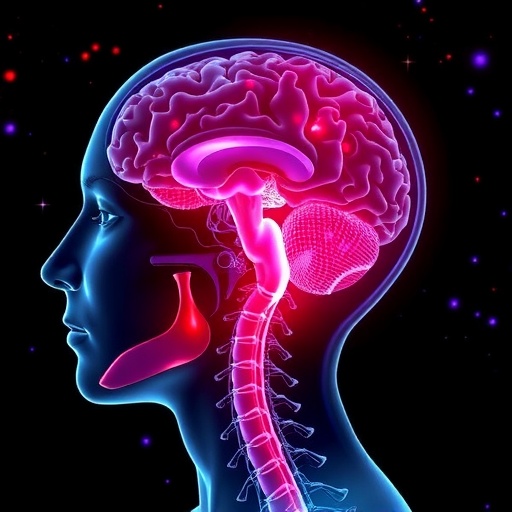
Recent research has illuminated the complex interplay between cellular components in the nervous system, particularly focusing on the phenomenon of demyelination-related pain. A team of scientists led by Wang, Y., Sun, Q., and Hanani, M. has delved into the role of lysophosphatidic acid (LPA) in satellite glial cell-neuron interactions, presenting important implications for understanding pain mechanisms in conditions marked by demyelination. Their findings, published in the Journal of Translational Medicine, herald a potential leap forward in pain management for patients suffering from various neurological disorders.
Demyelination, characterized by the loss of myelin sheaths that insulate nerve fibers, is a hallmark of several neurological diseases such as multiple sclerosis and amyotrophic lateral sclerosis. The resultant impairment in neuronal function is not only linked to motor control deficits but is also frequently associated with neuropathic pain. This study’s unique contribution lies in the identification of LPA as a significant player in the cellular communications between satellite glial cells and neurons, an interaction that has been largely underexplored in the past.
Lysophosphatidic acid, a bioactive lipid mediator, is known for its diverse roles in cellular signaling. It has been implicated in a wide array of physiological processes, including cell proliferation, survival, migration, and differentiation. What the researchers have shown, however, is that LPA is also involved in modulating glial-neuron communication, particularly respecting pain pathways triggered by neuroinflammation following demyelination. This highlights the dual nature of LPA, serving both as a mediator of protective responses and as a potential facilitator of pain.
The groundbreaking aspect of this research is its focus on satellite glial cells, which are specialized glia located in the vicinity of sensory neurons in the peripheral nervous system. These cells have been long recognized for their supporting roles but their active participation in pain signaling has gained prominence in recent investigations. By examining LPA’s influence on these glial cells, the study proposes that therapeutic interventions that target LPA signaling may mitigate pain sensations by modulating glial-neuron interactions in cases of demyelination.
Evidence presented in the study underscores the capability of LPA to alter the expression of pain-related molecules within these satellite cells. As demyelination occurs, levels of LPA may rise, subsequently leading to enhanced activation of these cells and the release of pro-nociceptive factors. This cascade can perpetuate a cycle of pain that is challenging to manage. Understanding this mechanism provides a clearer picture of how pain develops and persists in the context of neuronal injury and inflammation.
Moreover, the findings suggest that therapeutic strategies aimed at blocking LPA signaling could alleviate demyelination-related pain. By temporarily disrupting this pathway, it may be possible to dampen satellite glial cell activation and prevent the excessive neuronal excitability associated with pain. The research paves the way for future studies to explore LPA antagonists as a novel approach to pain management, especially in conditions that involve significant neuroinflammatory responses.
The implications of this work extend beyond pain relief alone. By elucidating the cellular mechanisms involved in LPA signaling, researchers can glean insights into broader neurobiological processes that govern glial cell behavior. This could help formulate new hypotheses regarding the roles of glia in neurological disorders, potentially leading to the identification of additional therapeutic targets that could provide relief from symptoms beyond pain, such as emotional disturbances and cognitive deficits associated with demyelination.
Additionally, the interdependence of satellite glial cells and sensory neurons presents a myriad of potential research directions. Future investigations could explore how LPA signaling affects not only pain pathways but also other aspects of neuronal health, including regeneration and survival post-injury. The intricate network of interactions among various cell types in the nervous system opens the door for holistic approaches to treatment and rehabilitation in demyelinating diseases.
As we stand on the cusp of new discoveries in pain management and neurobiology, the work of Wang, Sun, and Hanani serves as a pivotal reminder of the complexities hidden within the cellular environment of the nervous system. Their research underscores the need for a multi-faceted approach to understanding how cellular signaling influences pain and recovery, reinforcing the notion that glial cells are not just passive support structures but active participants in the pain response.
In summary, this research sheds new light on the role of lysophosphatidic acid in mediating the cross-talk between satellite glial cells and neurons, particularly in the context of demyelination-related pain. The potential to develop targeted therapies that modulate this signaling pathway holds significant promise, marking an exciting frontier in the quest to alleviate chronic pain associated with neurological disorders. As such, continued investigation in this field could lead to paradigms that challenge traditional notions of pain management, bringing us closer to effective, long-lasting solutions for patients affected by these debilitating conditions.
The future of pain management may very well hinge on a deeper understanding of the nervous system’s nuanced cellular communications. This work is an essential stepping stone toward unlocking the therapeutic potential held within the glial-neuronal interplay—one that could revolutionize how we approach treatment for a variety of pain conditions resulting from demyelination.
Subject of Research: The role of lysophosphatidic acid in satellite glial cell-neuron crosstalk related to demyelination and pain mechanisms.
Article Title: Demyelination-related pain: role of lysophosphatidic acid in satellite glial cell–neuron crosstalk.
Article References:
Wang, Y., Sun, Q., Hanani, M. et al. Demyelination-related pain: role of lysophosphatidic acid in satellite glial cell–neuron crosstalk.
J Transl Med (2025). https://doi.org/10.1186/s12967-025-07568-y
Image Credits: AI Generated
DOI: 10.1186/s12967-025-07568-y
Keywords: lysophosphatidic acid, satellite glial cells, demyelination, neuropathic pain, neurobiology, pain mechanisms.


