


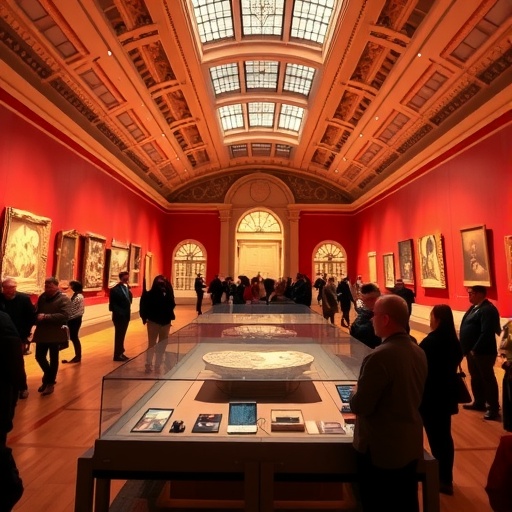
In a groundbreaking study that could revolutionize the way museums interact with their visitors, researcher S. Nie has introduced a dynamic prediction and recommendation system that utilizes Long Short-Term Memory networks (LSTM). This deep learning architecture has emerged as a powerful tool for tackling the intricacies of visitor preferences and behaviors within a museum context. This innovation comes at a time when museums are seeking innovative ways to enhance visitor engagement and optimize user experience, especially in an increasingly digital world.
The core premise of Nie’s research lies in the ability of the LSTM model to analyze and predict visitors’ interests dynamically. Traditional methods of understanding visitor behavior have predominantly relied on static data and historical trends, often failing to capture the fluid nature of human interest as it evolves over time. By employing LSTM networks, which excel at recognizing patterns within sequences of data, museums can access a sophisticated predictive insight that could tailor exhibitions and displays to align closely with visitor preferences.
One of the most enlightening aspects of Nie’s approach is the adaptive capability of LSTM networks. Unlike conventional algorithms that provide recommendations based on fixed criteria, the LSTM model is designed to learn continuously from new data inputs, refining its predictions in real-time. This means as museum visitors interact with exhibits, the system learns from their choices—be it the artworks that captured their attention or the time spent in particular sections—and uses this information to enhance future recommendations and experiences.
The potential implications of this technology are vast. Imagine a scenario where a visitor enters a museum and receives personalized recommendations directly on their smartphones, highlighting artworks or installations that align with their expressed interests. These recommendations would be tailored not just based on prior data but also on the visitor’s immediate interactions and preferences observed during their visit. This dynamic feedback loop could significantly enhance visitor satisfaction and engagement, leading to a richer cultural experience.
Furthermore, Nie’s research highlights the importance of integrating user interaction data in a manner that respects user privacy. As personal data becomes an increasingly sensitive subject, the ability to glean meaningful insights without compromising individual anonymity will be crucial. By focusing on generalized data patterns and trends rather than personal identifiers, museums can maintain ethical standards in data usage while still reaping the benefits of advanced predictive analytics.
The study also emphasizes the necessity of interdisciplinary collaboration in technology adoption within the museum sector. By bridging the gap between data science, cognitive psychology, and museum studies, institutions can develop systems that not only predict interests but also deepen the understanding of visitor engagement. This collaboration could pave the way for even more innovative solutions that enhance the educational and cultural missions of museums.
Another fascinating aspect of this research is its scalability to different types of museums, whether art, science, history, or specialized institutions. Each museum possesses unique visitor demographics and preferences, and Nie’s model can adapt to these varying contexts. The versatility of the LSTM network ensures that it can be fine-tuned to capture the distinctive attributes of each museum’s audience, thereby enhancing the relevancy and impact of the recommendations made.
Moreover, effective implementation of such a technology requires considerations of the broader visitor experience beyond mere recommendations. The interface through which visitors engage with this predictive system must be user-friendly and seamlessly integrated into their museum journey. Visitors should be able to navigate through recommendations effortlessly, allowing them to feel that the suggestions enrich their experience without imposing on their autonomy.
The findings from Nie’s research could lead to transformative changes in museum operations. By adopting predictive models, museums can not only cater to visitor preferences but also collect insight-driven data that informs curatorial decisions and exhibition designs. Understanding which exhibits draw more interest or which themes resonate can significantly influence how museums structure their presentations and educational programs.
Additionally, as museum attendance figures fluctuate due to various factors, including economic conditions or public health concerns, having a robust system for understanding visitor behavior becomes even more valuable. LSTM networks can help museums respond more nimbly to changing patterns of attendance, ensuring that they remain relevant and engaging to their audiences even amidst uncertainty.
As the world of artificial intelligence continues to advance, Nie’s work serves as a pioneering example of its application in the cultural sector. The capacity for LSTM networks to deliver personalized content in real time heralds a new era for museums, one where technology and human interest intersect harmoniously. Through initiatives like these, museums can not only thrive but also cultivate deeper connections with their visitors.
In summary, Nie’s research presents a compelling argument for the integration of deep learning technologies within the museum environment. By harnessing LSTM networks for dynamic predictions and recommendations, museums stand to enhance visitor satisfaction and engagement significantly. This innovation not only offers a chance to revitalize how we experience culture but also instills a new sense of purpose within the museum sector as it adapts to the evolving digital landscape.
The evolution of museum technology is just beginning, and as institutions begin to recognize the potential of these tools, the visitor experience will undoubtedly become richer and more personalized. This infusion of technology into the museum world represents not just an opportunity, but a necessity for cultural institutions striving to remain relevant in the current age.
With ongoing research and development, the questions that arise now are how swiftly museums will adopt such technologies and what further advancements will emerge. The future might hold interactive experiences where augmented reality combines with predictive recommendations, creating a multidimensional dialogue between museums and their audiences. As more museums explore these technologies, one can only hope that it leads to a deeper appreciation of art and culture across diverse audience spectrums.
In conclusion, S. Nie’s dynamic prediction and recommendation system using LSTM offers a glimpse into the future of museum experiences, blending deep learning, user engagement, and cultural appreciation in a harmonious, enriching environment.
Cite Scienmag News
Blake Davidson. (September 2, 2025). LSTM Enhances Dynamic Museum Visitor Interest Prediction. Scienmag. https://scienmag.com/lstm-enhances-dynamic-museum-visitor-interest-prediction/
Blake Davidson. "LSTM Enhances Dynamic Museum Visitor Interest Prediction." Scienmag, 2 September 2025, https://scienmag.com/lstm-enhances-dynamic-museum-visitor-interest-prediction/. Accessed 6 September 2026.
Blake Davidson. "LSTM Enhances Dynamic Museum Visitor Interest Prediction." Scienmag. September 2, 2025. https://scienmag.com/lstm-enhances-dynamic-museum-visitor-interest-prediction/


