


Long-acting injectable cabotegravir (CAB-LA) was safe and well tolerated as HIV pre-exposure prophylaxis (PrEP) before and during pregnancy in the follow-up phase of a global study among cisgender women. The analysis of outcomes from more than 300 pregnancies and infants will be presented at the 2024 International AIDS Conference (AIDS 2024) in Munich, Germany.

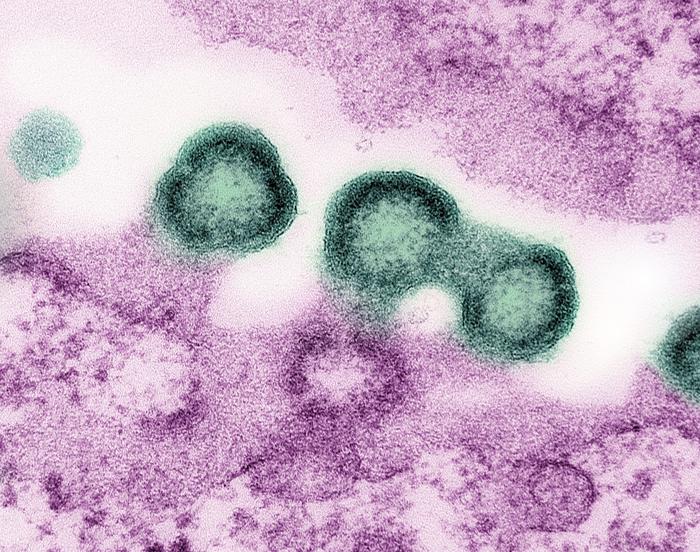
Credit: NIAID
Long-acting injectable cabotegravir (CAB-LA) was safe and well tolerated as HIV pre-exposure prophylaxis (PrEP) before and during pregnancy in the follow-up phase of a global study among cisgender women. The analysis of outcomes from more than 300 pregnancies and infants will be presented at the 2024 International AIDS Conference (AIDS 2024) in Munich, Germany.
“Cisgender women experience biological changes and social dynamics that can increase their likelihood of acquiring HIV during pregnancy and the postnatal period, and we need to offer them evidence-based options when they may need them most,” said Jeanne Marrazzo, M.D., M.P.H., director of the National Institutes of Health’s (NIH) National Institute of Allergy and Infectious Diseases (NIAID). “These data provide reassurance about long-acting injectable cabotegravir for HIV prevention during pregnancy.”
CAB-LA is a highly effective HIV prevention method, administered by intramuscular injection every two months. However, data regarding the safety of CAB-LA during pregnancy are limited. An open-label extension study of the CAB-LA efficacy trial in cisgender women included women in several countries across East and Southern Africa who had the potential to become pregnant during the longitudinal study and who did not have HIV. Participants chose between CAB-LA or oral PrEP with tenofovir disoproxil fumarate and emtricitabine and had the option to use contraception if they wished. They were monitored closely for safety. Participants who became pregnant also were monitored for pregnancy-related adverse events including gestational hypertension, pre-eclampsia, and weight gain, as well as infant outcomes, such as miscarriage, intrauterine fetal death or stillbirth, premature birth, or low birthweight.
There were 367 pregnancies in this phase of the study. Pregnancy-related maternal adverse event incidence was 45.7, 47.1, and 37.5 per 100 person years among people using CAB-LA during pregnancy, prior to pregnancy, or with no CAB-LA use, respectively. Adverse infant outcomes were similar across groups, with negative outcomes reported in 33%, 38%, and 27% of pregnancies with CAB-LA use, prior CAB-LA use, or no CAB-LA use, respectively. One major congenital anomaly was reported in a participant receiving CAB-LA. No maternal deaths occurred. Pregnancy and infant outcomes in the study were similar to estimated general population outcomes.
Overall, CAB-LA was safe and well tolerated. These findings demonstrate the safety of using CAB-LA prior to and during pregnancy.
“The overlap between high HIV incidence and the specific risks that cisgender pregnant women face in acquiring HIV in many countries calls for diverse and highly effective PrEP options as part of sexual and reproductive health approaches,” said study chair Sinead Delany-Moretlwe, M.B.B.Ch., Ph.D., director of Research at Wits RHI and professor of Global Health and Infectious Diseases at the University of the Witwatersrand, Johannesburg. “We hope that these findings can fill an important knowledge gap that can help increase access to this highly effective HIV PrEP option among cisgender women before, during, and after pregnancy.”
This study is conducted and implemented by the NIH-funded HIV Prevention Trials Network (HPTN). NIAID sponsors and co-funds the trial with ViiV Healthcare and the Bill & Melinda Gates Foundation. ViiV Healthcare and Gilead Sciences, Inc., provide study medications. The NIH’s National Institute of Mental Health, National Institute on Drug Abuse, and Eunice Kennedy Shriver National Institute of Child Health and Human Development collaborated with NIAID on this study.
For more information about this trial, called HPTN 084, please visit ClinicalTrials.gov using the study identifier NCT03164564.
Reference:
S Delany-Moretlwe et al. Initial evaluation of injectable cabotegravir (CAB-LA) safety during pregnancy in the HPTN 084 open-label extension. International AIDS Conference. Thursday, July 25, 2024.
NIAID conducts and supports research—at NIH, throughout the United States, and worldwide—to study the causes of infectious and immune-mediated diseases, and to develop better means of preventing, diagnosing and treating these illnesses. News releases, fact sheets and other NIAID-related materials are available on the NIAID website.
About the National Institutes of Health (NIH): NIH, the nation’s medical research agency, includes 27 Institutes and Centers and is a component of the U.S. Department of Health and Human Services. NIH is the primary federal agency conducting and supporting basic, clinical, and translational medical research, and is investigating the causes, treatments, and cures for both common and rare diseases. For more information about NIH and its programs, visit
NIH…Turning Discovery Into Health®
Cite Scienmag News
Harold Sullivan. (July 23, 2024). Long-acting injectable cabotegravir for HIV prevention is safe in pregnancy. Scienmag. https://scienmag.com/long-acting-injectable-cabotegravir-for-hiv-prevention-is-safe-in-pregnancy/
Harold Sullivan. "Long-acting injectable cabotegravir for HIV prevention is safe in pregnancy." Scienmag, 23 July 2024, https://scienmag.com/long-acting-injectable-cabotegravir-for-hiv-prevention-is-safe-in-pregnancy/. Accessed 9 September 2026.
Harold Sullivan. "Long-acting injectable cabotegravir for HIV prevention is safe in pregnancy." Scienmag. July 23, 2024. https://scienmag.com/long-acting-injectable-cabotegravir-for-hiv-prevention-is-safe-in-pregnancy/

