


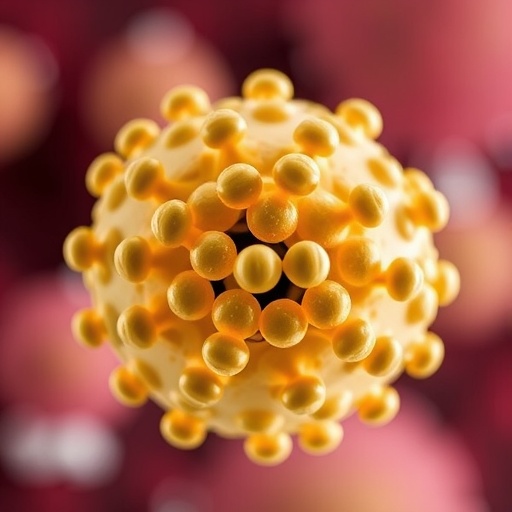
In the ongoing battle against cancer, the medical community continually seeks innovative approaches to improve the efficacy and precision of therapies. One such groundbreaking avenue gaining momentum is the use of lipid nanoparticles (LNPs) for the delivery of nucleic acids in cancer immunotherapy. Recent advances in nanotechnology and molecular biology have synergized to position lipid nanoparticles as a highly promising platform, potentially revolutionizing how genetic material is introduced into targeted cells to stimulate the immune response against tumors.
Cancer immunotherapy has emerged as a transformative field, harnessing the body’s own immune system to recognize and eradicate malignant cells. Central to this strategy is the delivery of nucleic acids such as messenger RNA (mRNA), small interfering RNA (siRNA), or DNA, which can encode for antigens, modulate gene expression, or silence oncogenes. However, the challenge has always been to transport these nucleic acids safely and efficiently into the desired immune or cancer cells without degradation or provoking adverse reactions. Enter lipid nanoparticles—nano-sized carriers composed of lipids that encapsulate nucleic acids, protecting them from enzymatic breakdown while enabling targeted cellular uptake.
Lipid nanoparticles naturally mimic the lipid bilayer of cellular membranes, which aids in their biocompatibility and facilitates fusion with cell membranes. This property significantly improves the delivery efficiency of nucleic acids into the cytoplasm, where they can execute their intended functions. Recent research has optimized the lipid composition, surface charge, and structural stability of LNPs, tailoring them for enhanced delivery to immune cells such as dendritic cells and T cells. This specificity is pivotal in triggering potent immune responses against cancer cells.
Moreover, the versatility of lipid nanoparticle design allows for multifunctional modifications, including the attachment of targeting ligands, polyethylene glycol (PEG) layers for improved circulation time, and stimuli-responsive elements for controlled release. These features collectively enhance the biodistribution and reduce off-target effects that have long hindered nucleic acid therapies. The ability to finely tune these parameters has propelled LNPs to the forefront of nanomedicine development for oncology.
The clinical success of LNP-based mRNA vaccines during the COVID-19 pandemic has provided a compelling proof of concept for their safety and immunogenicity. This breakthrough has accelerated interest in exploiting this platform for cancer immunotherapy, where the need for patient-specific, rapid, and adaptable therapies is urgent. By encoding tumor-specific antigens or immune modulators into mRNA delivered via LNPs, personalized cancer vaccines can be developed, offering a potent weapon against heterogeneous and evolving cancer cell populations.
One of the critical factors in the efficacy of LNP-mediated nucleic acid delivery is overcoming the immune system’s innate barriers. The human body is wired to detect and eliminate foreign genetic material, often posing a challenge for therapeutic nucleic acids. Lipid nanoparticles can mask the nucleic acids, preventing premature immune activation and degradation. Additionally, advanced formulations can evade recognition by the mononuclear phagocyte system, resulting in prolonged circulation times and increased tumor accumulation through enhanced permeability and retention (EPR) effect.
Another impressive aspect of this technology lies in its potential for combinatorial therapy. LNPs can co-deliver multiple nucleic acids or combine nucleic acid delivery with chemotherapeutic drugs, thereby attacking tumors through multiple mechanisms simultaneously. This multifaceted approach can overcome resistance pathways and improve overall therapeutic outcomes. As cancer is notoriously heterogeneous, the flexibility of LNPs to carry different cargos offers a significant advantage.
Preclinical studies have demonstrated remarkable results where LNPs encapsulating siRNA or mRNA have successfully modulated the tumor microenvironment, promoting immunogenic cell death and fostering T cell infiltration. The remodeling of the tumor microenvironment is crucial because cancer cells often create an immunosuppressive niche that shields them from immune attack. By reversing this suppression, LNP-based therapies enhance the immune system’s ability to recognize and destroy malignant cells.
Importantly, the safety profile of lipid nanoparticle formulations is being rigorously evaluated. While current data shows minimal toxicity and good tolerance in animal models and early human trials, continued research is critical to fully understand long-term effects. The biocompatibility of lipids, their metabolic pathways, and the immune activation potential of delivered nucleic acids must all be carefully balanced in future design iterations to maximize benefit and minimize risk.
Manufacturing and scalability of lipid nanoparticles have undergone significant improvements, addressing previous bottlenecks in translating nanomedicine from laboratory to clinic. Techniques such as microfluidics allow for reproducible and controllable LNP production with homogeneous size distribution and high encapsulation efficiency. These advancements reduce variability between batches and facilitate large-scale production that meets the stringent requirements of clinical use.
Furthermore, the adaptability of LNP technology means it’s not limited to a single type of cancer. Different formulations can be engineered for tumors with distinct molecular profiles or anatomical locations, further personalizing patient care. Coupled with advances in genomics and biomarker identification, LNPs stand at the nexus of precision medicine and nanotechnology.
The road ahead for lipid nanoparticle-mediated nucleic acid delivery in cancer immunotherapy, however, is not without challenges. Issues like immune-related adverse events, off-target gene silencing, and overcoming physical barriers in solid tumors require ongoing investigation. Collaborations between chemists, biologists, oncologists, and engineers are essential to develop next-generation LNPs with improved targeting accuracy and safety.
In summary, lipid nanoparticles have emerged as a beacon of hope in the quest for more effective cancer immunotherapies. Their unique ability to safeguard and deliver nucleic acids into immune and cancer cells unlocks new possibilities in vaccine development, gene modulation, and combination therapies. This innovative technology harnesses both the precision of genetic medicine and the power of nanotechnology, promising to reshape the therapeutic landscape for cancer patients worldwide.
As the research community continues to unravel the complexities of tumor biology and immune interactions, lipid nanoparticles will undoubtedly play a pivotal role in translating these insights into clinical realities. The burgeoning evidence supporting their efficacy and safety paves the way for widespread clinical adoption and potentially, the development of curative treatments for various cancers.
The convergence of nanotechnology, immunology, and genetics encapsulated in lipid nanoparticle delivery systems offers a transformative approach that may soon transcend current limitations of cancer therapies. It is an exciting milestone in medical science where the fusion of cutting-edge technologies aligns with the urgent need to combat one of humanity’s most formidable diseases.
The momentum generated by recent studies, as reflected in pioneering works like that of Abaza, Mohamed, and Zaky, not only highlights the tremendous potential of LNPs but also calls for sustained investment and interdisciplinary collaboration. Through continued innovation, these nano-delivery platforms could herald a new era in oncological treatment—one that is more efficient, personalized, and equipped to surmount the complexities of cancer immunotherapy.
Cite Scienmag News
Nathaniel Bowman. (August 6, 2025). Lipid Nanoparticles Revolutionize Cancer Immunotherapy Delivery. Scienmag. https://scienmag.com/lipid-nanoparticles-revolutionize-cancer-immunotherapy-delivery/
Nathaniel Bowman. "Lipid Nanoparticles Revolutionize Cancer Immunotherapy Delivery." Scienmag, 6 August 2025, https://scienmag.com/lipid-nanoparticles-revolutionize-cancer-immunotherapy-delivery/. Accessed 4 September 2026.
Nathaniel Bowman. "Lipid Nanoparticles Revolutionize Cancer Immunotherapy Delivery." Scienmag. August 6, 2025. https://scienmag.com/lipid-nanoparticles-revolutionize-cancer-immunotherapy-delivery/


