


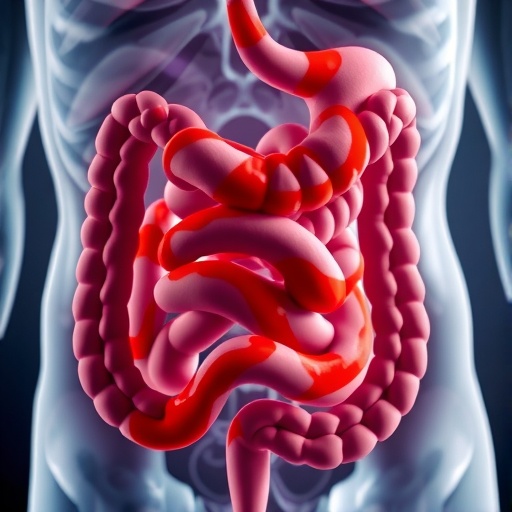
In a groundbreaking study published in Scientific Reports, researchers led by Shaoqing et al. delve into the pressing medical issue of gastrointestinal bleeding in patients with digestive system tumors. This research highlights the intricate link between the frequency of gastrointestinal bleeding episodes and the presence of abnormal coagulation indexes—a relationship that may have significant implications for treatment approaches and patient management. As tumors in the digestive system can disrupt normal physiology, understanding the interplay between bleeding episodes and coagulation parameters could pave the way for developing more effective monitoring and intervention strategies.
The study meticulously collected data from a cohort of patients diagnosed with various types of digestive system tumors. This included a spectrum of conditions ranging from benign growths to malignant cancers. The meticulous nature of the research ensured that a comprehensive dataset was available for analysis, which is critical when establishing correlations in medical studies. By focusing on patients with established tumors, the researchers aimed to delineate the factors that contribute to gastrointestinal bleeding, which can be a life-threatening complication.
As many medical professionals are aware, gastrointestinal bleeding can manifest in numerous forms, from overt bleeding, such as hematemesis or melena, to occult bleeding that is not immediately apparent. This variance complicates the clinical picture and poses challenges regarding diagnosis and management. The researchers emphasized that understanding how often these bleeding episodes occur, and their relation to coagulation indexes, could transform how clinicians approach patient care, potentially leading to rapid recognition and timely intervention.
One of the key aspects of this study involved the analysis of abnormal coagulation indexes. Coagulation, or blood clotting, is a complex process involving various factors and pathways. Abnormalities in these coagulation profiles can lead to either excessive bleeding or increased clotting risks, factors that are crucial to consider when treating patients with gastrointestinal tumors. The researchers noted that prior literature had hinted at a connection between coagulation dysfunction and bleeding risk, but their extensive analysis offered a clearer picture of how these factors are interrelated.
The research team employed sophisticated statistical methods to analyze the correlation between gastrointestinal bleeding frequencies and coagulation indexes. By controlling for variables such as age, sex, and tumor type, they aimed to isolate the effects that abnormal coagulation indexes had on bleeding episodes. This rigorous approach is vital in clinical research, as it helps eliminate bias and strengthens the validity of the findings. Ultimately, their results indicated a significant correlation, suggesting that patients with certain coagulation abnormalities experienced more frequent episodes of gastrointestinal bleeding.
These findings are not merely academic; they have profound implications for clinical practice. Medical practitioners might consider utilizing coagulation index assessments more routinely in their evaluations of patients with digestive system tumors. Early identification of coagulation abnormalities could become essential in guiding therapeutic decisions, potentially impacting patient survival and quality of life. As wariness grows regarding the prominent risks associated with gastrointestinal bleeding, this research underscores the necessity of innovative diagnostic and treatment methods.
Moreover, educating healthcare providers about these correlations would enable them to implement preventative strategies for high-risk patients. By enhancing clinical awareness, the medical community can better protect patients from the dire consequences of untreated or unrecognized bleeding episodes. This proactive approach can facilitate prompt interventions, thus mitigating the risks associated with gastrointestinal complications in tumor patients.
The implications of this study extend beyond immediate patient care. They signal a call to action for further research into the underlying mechanisms that connect blood coagulation disorders and tumor biology. Future investigations could explore how tumor characteristics influence coagulation pathways and whether targeted therapies could ameliorate both tumor growth and bleeding complications simultaneously. This area of research could open new avenues for integrative treatment strategies that take into account the multifactorial nature of patient health conditions.
In conclusion, Shaoqing et al.’s research is a profound contribution to our understanding of the relationship between gastrointestinal bleeding and coagulation disorders in digestive system tumors. Their rigorous methodology and significant findings encourage further exploration into this critical area of healthcare. By integrating these insights into clinical practice, there is potential for major advancements in the management of patients facing the dual challenges of tumors and bleeding complications.
This study thus not only elucidates the complex nature of gastrointestinal bleeding but also emphasizes the necessity for continuous research. The medical community stands to benefit immensely from these insights—ultimately translating into better patient care and outcomes across the spectrum of digestive system tumors.
Shaoqing, A., Jun, G., Jia, W. et al. Correlation analysis between frequency of gastrointestinal bleeding episodes and abnormal coagulation indexes in digestive system tumors.
Sci Rep 15, 36164 (2025). https://doi.org/10.1038/s41598-025-19012-8
Cite Scienmag News
Nathaniel Bowman. (October 16, 2025). Link Between GI Bleeding and Coagulation Issues in Tumors. Scienmag. https://scienmag.com/link-between-gi-bleeding-and-coagulation-issues-in-tumors/
Nathaniel Bowman. "Link Between GI Bleeding and Coagulation Issues in Tumors." Scienmag, 16 October 2025, https://scienmag.com/link-between-gi-bleeding-and-coagulation-issues-in-tumors/. Accessed 5 September 2026.
Nathaniel Bowman. "Link Between GI Bleeding and Coagulation Issues in Tumors." Scienmag. October 16, 2025. https://scienmag.com/link-between-gi-bleeding-and-coagulation-issues-in-tumors/


