

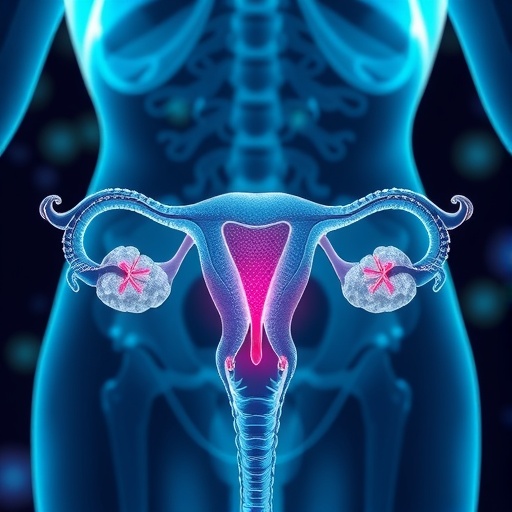
Recent research has shed significant light on the intricate relationship between serum antinuclear antibodies (ANAs) and premature ovarian insufficiency (POI), a condition that poses major challenges for women’s reproductive health. This emerging field of study has garnered considerable attention within the scientific community, particularly as the prevalence of POI has been alarming, affecting approximately one in a hundred women under the age of 40. The implications of this research not only provide a deeper understanding of the pathological mechanisms at play but also represent a potential avenue for diagnostic and therapeutic advancements.
A meta-analysis conducted by a team of researchers, including Pi, Hu, and Luo, systematically reviews and aggregates data concerning the association between ANAs and POI. The analysis provides compelling evidence that suggests a notable correlation between the presence of these antibodies and the onset of POI, positioning serum ANAs as critical biomarkers for early detection. The findings are particularly pertinent as they highlight the need for ongoing surveillance of women who present with these antibodies, therefore facilitating earlier intervention and better management of reproductive health.
The prevalence of autoimmune disorders has been on the rise, which inherently increases the relevance of studies like this one. ANAs are typically produced by the immune system against the body’s own tissues, and their heightened presence is often indicative of underlying autoimmune pathology. In the context of women experiencing premature ovarian insufficiency, the detection of ANAs could serve as a pivotal marker not only for the diagnosis of ovarian failure but also for uncovering enhanced susceptibility to other autoimmune conditions that may manifest concurrently. The comprehensive nature of this meta-analysis, aggregating data from various studies, enhances the robustness of the conclusions drawn.
Previous literature emphasized the role of immune dysfunction in infertility and reproductive health but lacked a unified dataset that could draw concrete relationships. The meticulous approach adopted by the researchers involved scrutinizing studies that explored the incidence of ANAs in women diagnosed with POI, ensuring that the data was both relevant and methodologically sound. A deep dive into their findings reveals that women with documented cases of POI displayed significantly higher levels of ANAs compared to control groups, underscoring a potential pathogenic interplay that warrants further exploration.
The implications of this research extend beyond mere identification of correlation; they may lead to practical applications in clinical settings. The detection of ANAs could facilitate a workflow where at-risk women are monitored more closely for development of POI, enabling early intervention strategies that could mitigate some of the psychological and physiological impacts of early loss of ovarian function. Moreover, understanding how these antibodies influence ovarian function can pave the way for the development of novel therapeutic modalities aimed specifically at managing or potentially reversing aspects of POI.
In addition to the physiological aspects, psychological ramifications of POI must not be overlooked. Women undergoing premature ovarian insufficiency often experience significant emotional and mental health challenges, including anxiety and depression linked to the unanticipated loss of fertility. This new insight into the role of ANAs not only helps in understanding the biological mechanisms at play but also offers a means to address the mental health aspects by creating tailored treatment plans that account for both physical and emotional well-being.
The research highlights the pressing need for increased awareness among healthcare providers regarding the significance of screening for ANAs, especially in younger women presenting with fertility issues. Recognizing that autoimmune disorders may be an underlying factor can significantly change the management plan, leading to timely referrals to specialists in reproductive endocrinology or immunology when indicated. This re-evaluation of standard screening practices could herald a new era of better coordinated care for women facing reproductive health issues.
It should also be noted that the study’s findings will likely spark a new wave of research aimed at further dissecting the relationship between autoimmune disorders and female reproductive health. The intricate workings of the immune system in relation to female fertility are still not fully understood, and ongoing studies could potentially unveil further mechanisms behind POI. It is critical for future research to explore the extent to which ANAs are involved in fertility and overall reproductive health, serving to deepen our understanding of this complex interplay.
Furthermore, the study opens avenues for community awareness and educational efforts surrounding autoimmune conditions and their implications on reproductive health. Empowering women with knowledge about the importance of early detection and the signs that might indicate autoimmune involvement can lead to preemptive healthcare measures. As the narrative of women’s health continues to evolve, findings such as those from Pi and colleagues cannot be understated.
Finally, ongoing collaboration across disciplines—encompassing reproductive endocrinology, immunology, and mental health—will be essential to translate these findings into concrete clinical guidelines and practices. The integrated approach will ensure that women dealing with POI not only receive comprehensive care tailored to their medical needs but also have access to robust support systems addressing their mental and emotional health. The interplay between biological markers and effective interventions exemplifies the holistic approach needed in contemporary women’s healthcare.
In summary, the meta-analysis by Pi, Hu, and Luo marks a significant advancement in the understanding of the relationship between serum antinuclear antibodies and premature ovarian insufficiency. The implications of their findings could transform diagnostic practices and treatment plans, ultimately enhancing the quality of life for many women facing the challenges posed by premature ovarian insufficiency. As further studies unfold, this knowledge serves as a foundation for conquering one of the pressing issues in women’s health, bringing us closer to the goal of improved reproductive outcomes in the context of autoimmune health.
Subject of Research: The association between serum antinuclear antibodies and premature ovarian insufficiency.
Article Title: The association between serum antinuclear antibodies and premature ovarian insufficiency: a meta-analysis.
Article References:
Pi, T., Hu, Z., Luo, L. et al. The association between serum antinuclear antibodies and premature ovarian insufficiency: a meta-analysis.
J Ovarian Res (2025). https://doi.org/10.1186/s13048-025-01945-3
Image Credits: AI Generated
DOI: 10.1186/s13048-025-01945-3
Keywords: Serum antinuclear antibodies, premature ovarian insufficiency, women’s reproductive health, autoimmune disorders, infertility.


