

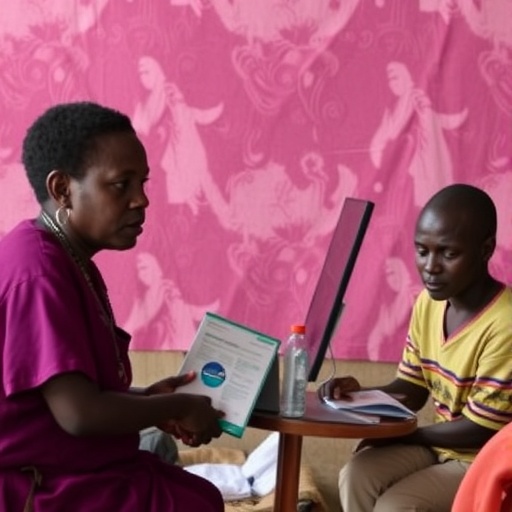
In recent years, the issue of access to essential medicines has become a pressing concern, particularly in low- and middle-income nations. A significant study spearheaded by researchers Obakiro, Kibuuka, and Nakazibwe explores the intricate landscape of community-level access to these vital medical resources within Eastern Uganda. With a staggering number of individuals lacking adequate homeostasis through essential medicines, understanding the factors that contribute to this deficit is both crucial and timely. This research has illuminated a variety of barriers faced by communities, offering a comprehensive analysis of both systemic shortcomings and individual challenges.
To begin with, the researchers employed a cross-sectional methodology, which allows for an in-depth snapshot of the current state of pharmaceutical access across multiple communities. By gathering qualitative and quantitative data from various demographics, they were able to paint a vivid picture of the accessibility of essential medicines. Given that access is not merely about availability but encompasses affordability and overall usability, the study delves into these dimensions. For instance, the presence of a pharmacy does not intrinsically guarantee that residents will be able to purchase the medicines they need or even know about their existence.
One of the foremost challenges identified in the research is the inadequate supply chains that plague many areas in Eastern Uganda. These supply chains are not only strained by logistical difficulties but are also impeded by poorly structured government policies and limited financial resources. The result is a pervasive scarcity of essential drugs, leaving many in dire need without any recourse to necessary treatments. This breakdown in the pharmaceutical supply chain highlights a stark contrast between urban and rural areas, leading to even more pronounced disparities in health access.
Additionally, the study found that educational disparities greatly affect community understanding of health issues. Many individuals lack basic education concerning their health needs and the significance of medication adherence, which directly impacts their capacity to seek necessary medical care. The researchers emphasized that health literacy is an essential component of access; without it, individuals are less likely to navigate the healthcare system effectively or advocate for their health needs. This disconnect between health knowledge and health-seeking behavior underlines the need for targeted educational campaigns to empower communities.
Furthermore, economic barriers play a significant role in limiting access to essential medicines. The researchers discovered that a common barrier to accessing medicines is the financial burden associated with purchasing medications. For many families, healthcare expenses can lead to catastrophic out-of-pocket costs that push households into poverty or exacerbate existing financial struggles. The study underscores that without comprehensive insurance coverage or subsidized healthcare systems, many in Eastern Uganda are left vulnerable. The financial critique further implicates broader economic policies that require urgent reevaluation to ensure equitable access.
Among the intricate layers of barriers surrounding the accessibility of essential medicines, the researchers highlighted the role of governmental and non-governmental organizations. While a multitude of organizations operate within the healthcare landscape of Uganda, coordination and governance issues substantially hinder their effectiveness. Fragmentation of efforts leads to overlaps in initiatives or, conversely, gaps where no support exists. Current health policies may not align with the resources available, rendering even well-intentioned initiatives ineffective. Consequently, active collaboration among stakeholders is necessary to forge a coherent strategy that addresses access disparities.
Additionally, the research examines the socio-cultural factors that influence healthcare-seeking behavior. Many individuals hold traditional beliefs that might conflict with biomedical approaches, leading to skepticism surrounding modern medicine. This cultural reluctance can be compounded by past healthcare experiences that have bred distrust in formal medical institutions. The researchers strongly advocate for incorporating culturally-sensitive approaches to increase acceptance and utilization of essential medicines.
In light of the findings, the study advocates for actionable strategies to ameliorate community access to essential medicines. Most notably, it underscores the necessity of enhancing the infrastructure that supports supply chains, which involves not only physical logistics but also the regulatory environment that governs pharmaceuticals. Policymakers are urged to confront the systemic issues that contribute to inequities, ensuring that access to essential medicines becomes paramount in national health objectives.
Moreover, this research sets the stage for ongoing dialogues about the need for innovative solutions to tackle the crisis in access. Telemedicine, for instance, is one avenue that could bridge the gap by providing medical consultations to those without local health facilities. By embracing technological advances, communities could benefit immensely, ensuring that they no longer remain isolated from essential health services. The potential for mobile health applications also emerges as a promising avenue for health education and access to information.
The researchers concluded their study with a strong call to action, urging both government bodies and philanthropic organizations to collaborate more closely towards common health goals. The emphasis is on creating inclusive policies that regard access to essential medicines not merely as a privilege for a few, but a fundamental right for all individuals, irrespective of their socioeconomic status. This research shines a much-needed spotlight on the ongoing health inequities plaguing communities in Eastern Uganda and calls for concerted efforts to address the systemic challenges that perpetuate these conditions.
Through comprehensive methodologies and keen insight, this study not only pinpoints the challenges faced by communities in accessing essential medicines but also sparks important conversations around effective solutions. The findings illustrate that access to health resources is multidimensional, impacted by financial, educational, and cultural barriers, all of which demand collective action and innovative solutions. By galvanizing community, governmental, and non-governmental efforts, there lies the potential for real change—making essential medicines accessible for all.
In conclusion, the findings from the cross-sectional study conducted by Obakiro and his colleagues expose the multifaceted barriers that obstruct access to essential medicines in Eastern Uganda. Their work serves to inform policymakers, health organizations, and communities themselves on the urgent need for comprehensive strategies that ensure equitable access to healthcare resources. As the healthcare landscape continues to evolve, the lessons gleaned from this research should resonate far beyond regional boundaries, fostering a deeper understanding of the complexities surrounding access to health and well-being globally.
Subject of Research: Access to essential medicines in Eastern Uganda
Article Title: Essential medicines out of reach: a cross-sectional study of community-level access in Eastern Uganda
Article References:
Obakiro, S.B., Kibuuka, R., Nakazibwe, B. et al. Essential medicines out of reach: a cross-sectional study of community-level access in Eastern Uganda.
BMC Health Serv Res (2026). https://doi.org/10.1186/s12913-026-14145-6
Image Credits: AI Generated
DOI: 10.1186/s12913-026-14145-6
Keywords: essential medicines, Uganda, healthcare access, health equity, supply chain, health literacy, community health, economic barriers, cultural beliefs, policy recommendations


